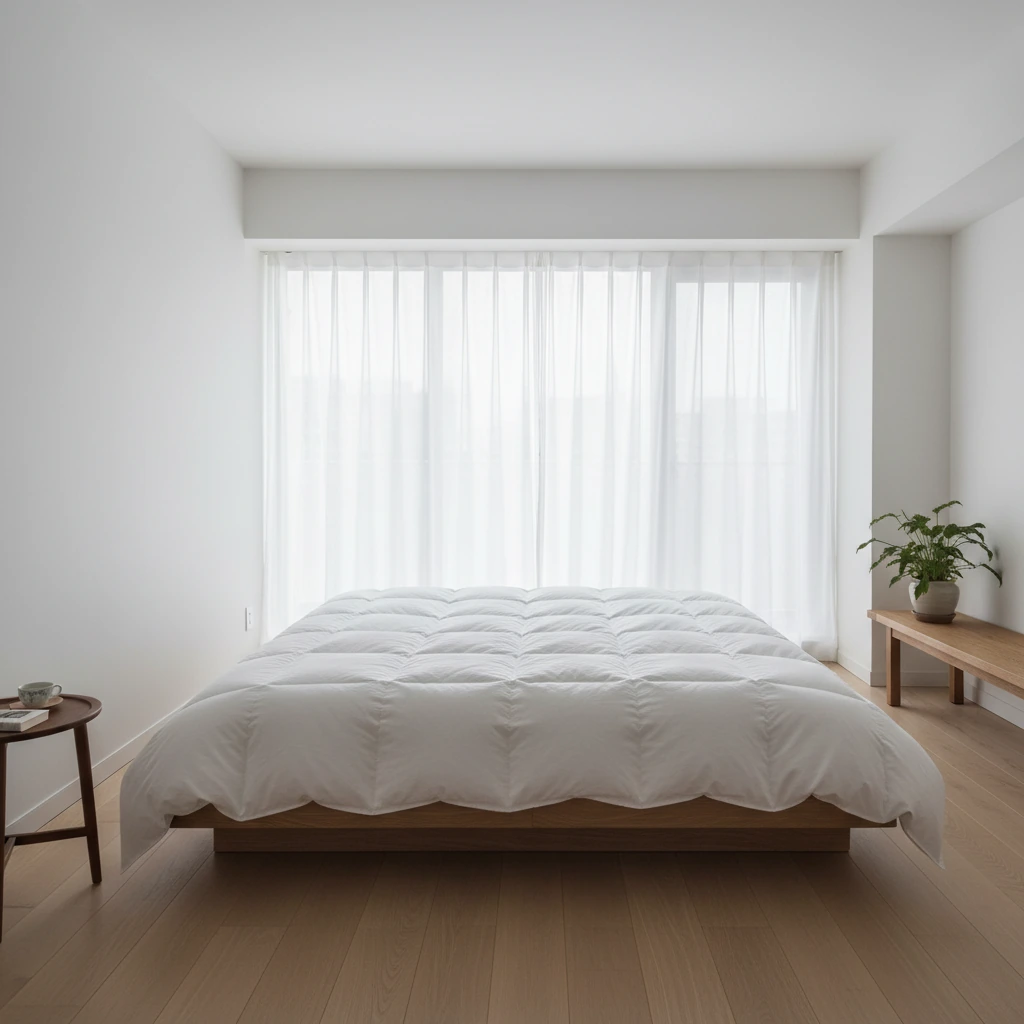
The answer in 30 seconds
- Go 5–10cm larger than the comforterA duvet cover with a little extra length over the comforter stays put better and is easier to put on and take off.
- Comforters are listed as width × lengthFigure on about 150 × 210cm for Single and about 190 × 210cm for Double. Sizes vary by maker, so check the actual measurements.
- Mattress covers and fitted sheets use different systemsCovers for futon mattresses and fitted sheets for mattresses differ in both sizing and how they're measured.
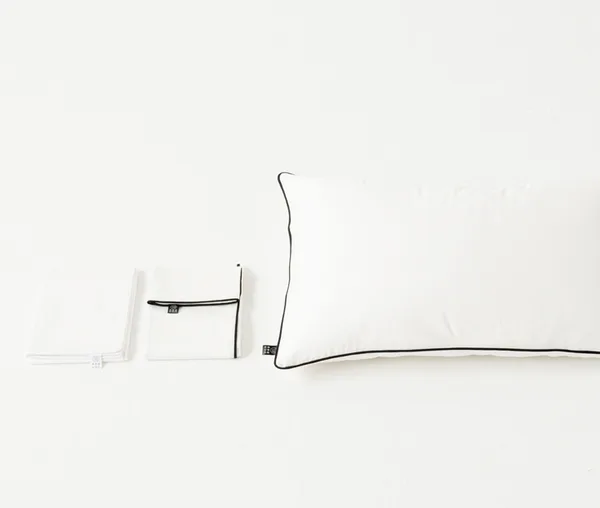
- Pillowcases should be slightly larger than the pillow43 × 63cm (small) and 50 × 70cm (large) are the most common. A little room to spare is the rule of thumb for keeping that plump feel.
Choosing a duvet cover starts with size
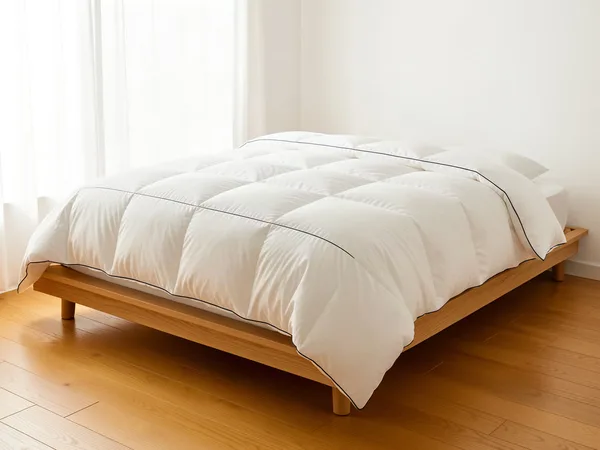
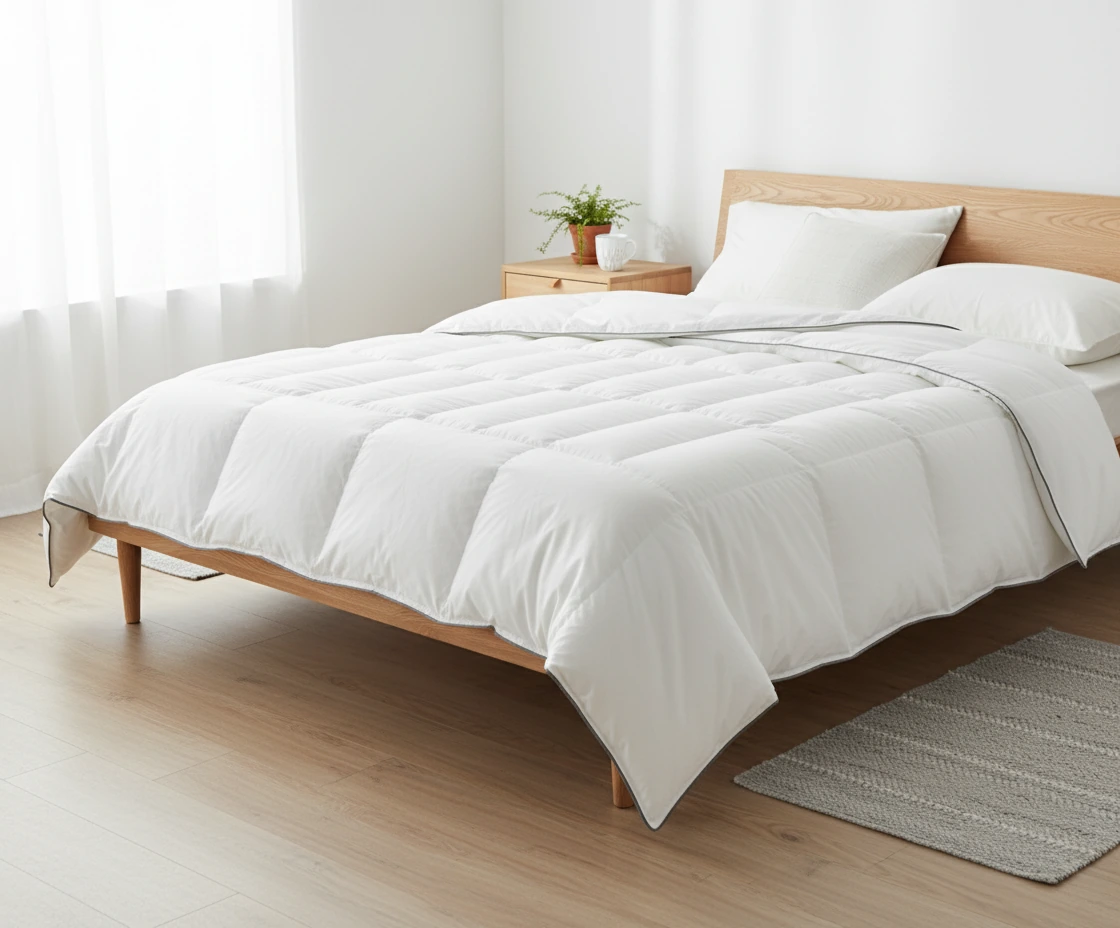
When it's time to replace a duvet cover, the first question is usually which size to buy. The short answer: match the cover to your comforter's size label (Single, Semi-double and so on), and pick one that is about 5–10 cm longer than the comforter's actual length — the filling stays in place and the cover is much easier to put on and take off. The same rule applies to futon mattress covers, fitted sheets and pillowcases: check the actual dimensions of the item you're covering before you buy, and you won't go wrong.
Duvet cover size chart
Duvet covers are usually listed as width × length. Here are the typical guides:
| Size | Width | Length |
|---|---|---|
| Single | Approx. 150 cm | Approx. 210 cm |
| Semi-double | Approx. 170 cm | Approx. 210 cm |
| Double | Approx. 190 cm | Approx. 210 cm |
| Queen | Approx. 210 cm | Approx. 210 cm |
| King | Approx. 230 cm | Approx. 210 cm |
Measurements can vary by a few centimeters from maker to maker, so always check the actual dimensions on the product page before you buy. For how to choose a duvet cover by fabric and weave, see How to Choose a Down Comforter Cover | Fabric, Yarn Count and Weave Make a Luxury Duvet Cover.

Futon mattress cover and fitted sheet size charts
Covers for futon mattresses and fitted sheets for mattresses follow different sizing systems.
Futon mattress cover (for futon mattresses)
| Size | Width | Length |
|---|---|---|
| Single | Approx. 105 cm | Approx. 215 cm |
| Semi-double | Approx. 120 cm | Approx. 215 cm |
| Double | Approx. 140 cm | Approx. 215 cm |
Fitted sheet (for mattresses)
| Size | Width | Length | Gusset (depth) |
|---|---|---|---|
| Single | Approx. 100 cm | approx. 200cm | approx. 25–30cm |
| Semi-double | Approx. 120 cm | approx. 200cm | approx. 25–30cm |
| Double | Approx. 140 cm | approx. 200cm | approx. 25–30cm |
| Queen | approx. 160cm | approx. 200cm | approx. 25–30cm |
| King | approx. 180cm | approx. 200cm | approx. 25–30cm |
With a fitted sheet, always check that the side depth (pocket depth) matches the thickness of your mattress. Too shallow and the corners pop off easily; too deep and the sheet sags. Our crisp white fitted sheets come in several pocket depths. You'll find exact dimensions for comforters, futon mattresses and mattresses in our Bedding Size Chart: Single, Semi-double and Double Dimensions.
Pillowcase Size Chart
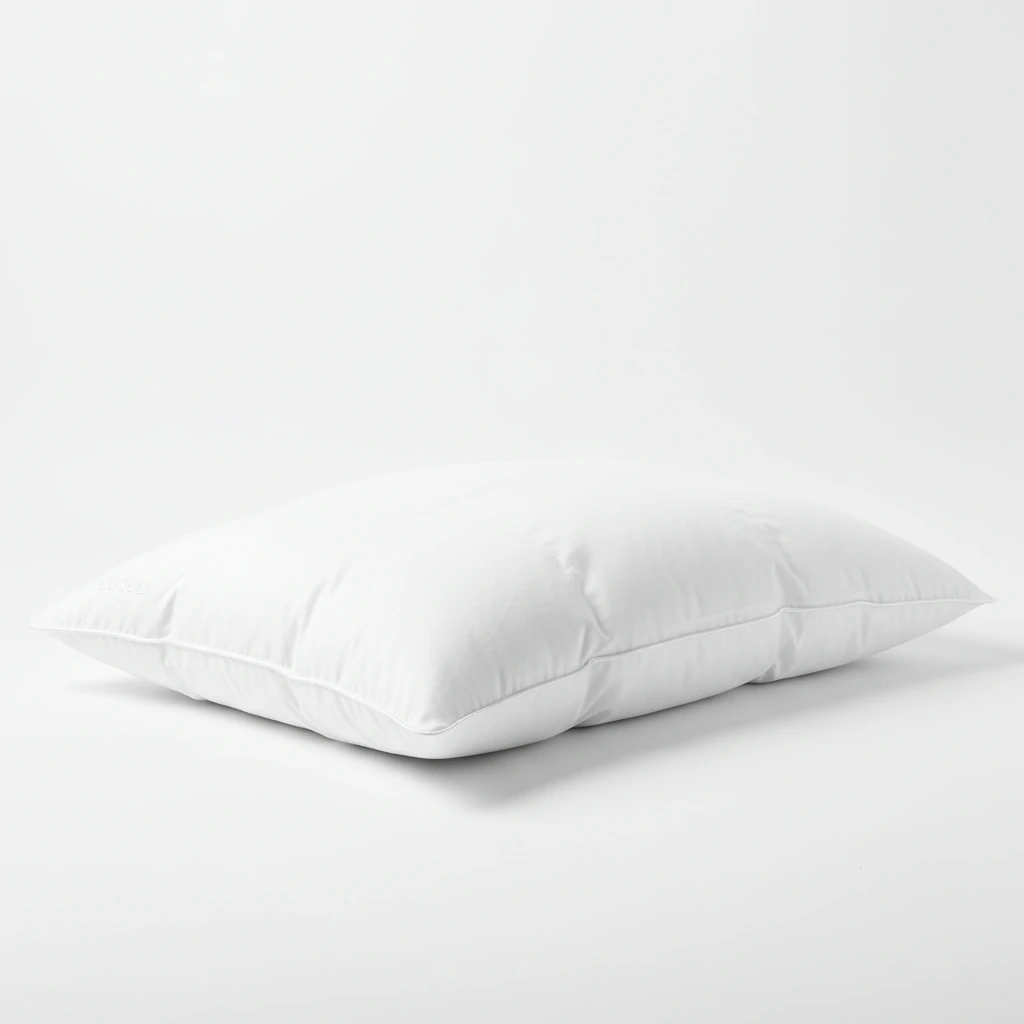
Choose your pillowcase to match the dimensions of the pillow itself.
| Name | Approximate size |
|---|---|
| Small (standard) | approx. 43 × 63cm |
| Large | approx. 50 × 70cm |
| Semi-long | approx. 43 × 90cm |
For pillowcases too, going slightly larger than the pillow keeps the fabric from pulling tight, so the pillow holds its plump shape. Our crisp white pillowcases are available in the standard sizes.
Matching Cover to Comforter: The Difference Between 200cm and 210cm
One common stumbling block when choosing a duvet cover is simply not knowing whether your comforter is 200cm or 210cm long. Single, Semi-double and Double comforters are most often made around 205–210cm long, but depending on the maker and the year it was produced, some are listed at exactly 200cm — leaving a gap of a few centimeters between comforter and cover.
If the cover is slightly larger than the comforter, it's no problem: just secure the four corners with the ties. The reverse, however, is trouble — a cover smaller than the comforter won't fully contain it, and the zipper may not close. When in doubt, choose a cover length of roughly "the comforter's actual size + 5–10cm" and you'll rarely go wrong.
Check the Zipper and Tie Specifications, Too
Alongside size, it's worth checking how the cover opens and how it fastens inside. A full-length (L-shaped) zipper makes inserting and removing the comforter easy, while a half-length zipper on one side only is more compact and quicker to put on. Covers with ties at several points on the inside also help keep the comforter from shifting around inside. If a cover has few ties — or none at all — bear in mind that the comforter is more likely to bunch to one side while you sleep.
Duvet covers, futon mattress covers, fitted sheets and pillowcases each follow a different sizing system. Start by measuring your actual comforter or mattress, and pay attention not just to the stated size but to differences of a few centimeters in length and pocket depth — it makes putting covers on far less frustrating.
Frequently asked questions
What if the duvet cover length doesn't match the comforter?
If the cover is a little larger than the comforter, the inner ties will hold it in place with no issue. A cover that's too small, however, won't fit the comforter inside, so it's safest to choose one about 5–10cm larger than the comforter's actual measurements.
How do I choose the pocket depth of a fitted sheet?
Choose a pocket depth close to the thickness of your mattress. Too shallow and the corners slip off; too deep and the sheet sags — so measure your mattress thickness before you buy.
Are futon mattress covers and mattress pads the same size?
Futon mattress covers are sized to the futon mattress itself, while fitted sheets and mattress pads are sized to the mattress. Even when the names sound similar, the dimensions differ, so check which one suits your setup.
What happens if the pillowcase size is wrong?
Too small and the pillow is compressed, losing its loft; too large and the fabric sags, which affects how it sleeps. As a rule of thumb, choose a size with a little room to spare over the pillow itself.