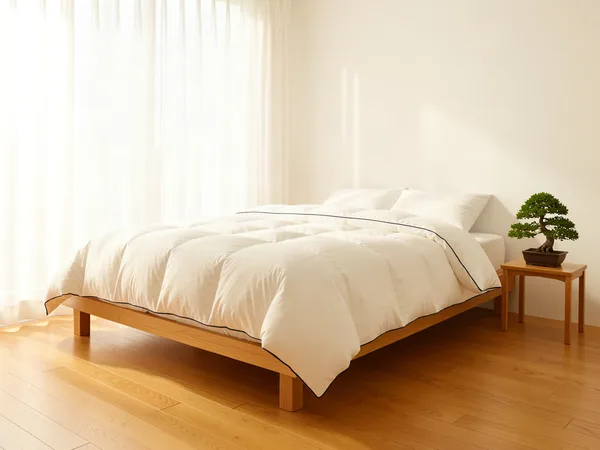
The answer in 30 seconds
- Luxury comes down to material, yarn count and weaveDifferences in price usually come from the quality of the raw fiber, the fineness of the yarn and the way it's woven
- Cotton, silk and linen each feel differentCotton for breathability, silk for smoothness, linen for a dry, crisp hand
- The higher the yarn count, the smoother the feelFiner yarns woven at higher density tend to create a supple fabric with a subtle sheen
- Don't forget to check the sizeMeasure your own pillow and compare it with the pillowcase's listed size to avoid a poor fit
What sets a so-called luxury pillowcase apart comes down to three things: the material, the yarn count (thread fineness) and the weave. Cotton, silk and linen each feel and shine differently; a higher yarn count means finer, smoother thread; sateen weaves offer sheen and a silky glide, while plain weaves are durable and breathable. Judging by these three points rather than price alone makes it much harder to go wrong.
What is a luxury pillowcase? What really makes it "luxury"
Price differences in pillowcases come almost entirely from the quality of the raw fiber, the fineness of the yarn and the care taken in sewing — not from the brand name. Even between two 100% cotton cases, the hand feel can be completely different depending on the staple length of the cotton (long-staple or short-staple) and the yarn count. When shopping for a luxury pillowcase, make a habit of checking the material label and the stated yarn count first.
Choosing a luxury pillowcase by material
Cotton
100% cotton is breathable and moisture-absorbent — a year-round staple. Long-staple cottons such as Egyptian and Supima are said to pill less and feel smoother thanks to their longer fibers. It also helps to understand how cotton-polyester blends differ when weighing up materials.
Silk
Silk creates little friction and is often described as gentle on hair and skin. It also helps retain moisture, making it a favorite in dry seasons, though it does take more care in the wash.
Linen
Linen absorbs and releases moisture exceptionally well, and softens beautifully with use. It tends to be chosen by people who like a crisp, dry hand feel or who sleep warm and perspire easily.
Quality differences in yarn count and weave
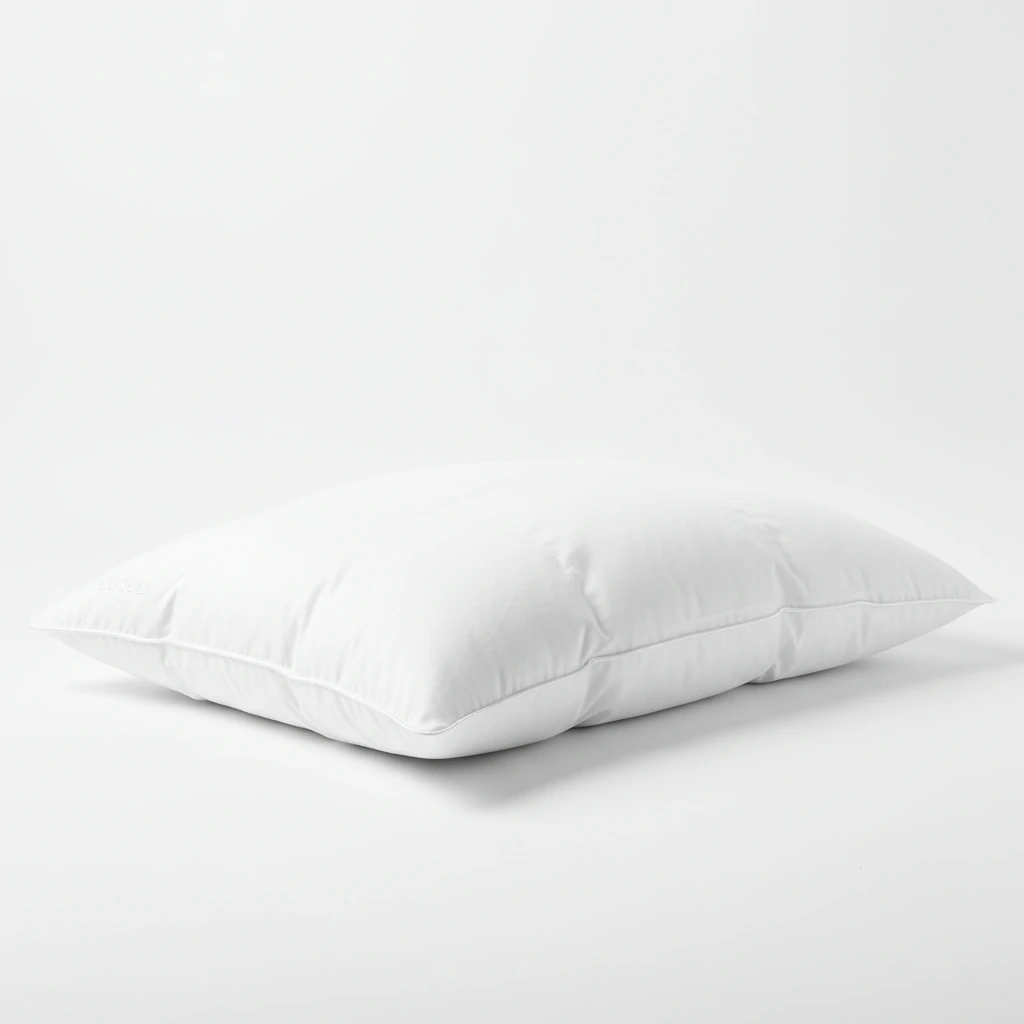
Yarn count expresses the fineness of the thread: the higher the number, the finer the yarn. Fine yarns woven at high density create a supple fabric with a soft sheen — at a higher cost. As for weaves, sateen tends to give a smooth sheen and a cool touch, while plain weave offers durability and stands up well to washing. The same thinking about yarn count and weave for a duvet cover is covered in detail in how to choose a down comforter cover and the difference between 60 sateen and 80 sateen — worth a look alongside this guide.
How to choose the right size
Even the finest pillowcase will spoil your sleep if the size is wrong. A case that's too small for a standard pillow puts strain on the zipper, while one that's too large lets the pillow shift around inside. Before you buy, measure your pillow and compare it against the case's listed size. You'll find a quick size chart in how to choose the right duvet cover size.
Care instructions
Care instructions vary by material. Cotton is relatively easy to launder at home, while silk is delicate and often calls for hand washing or a mesh laundry bag — always check the care label on the product. Keeping your pillowcase clean is one of the keys to enjoying the comfort of a luxury pillowcase for years to come.
Summary
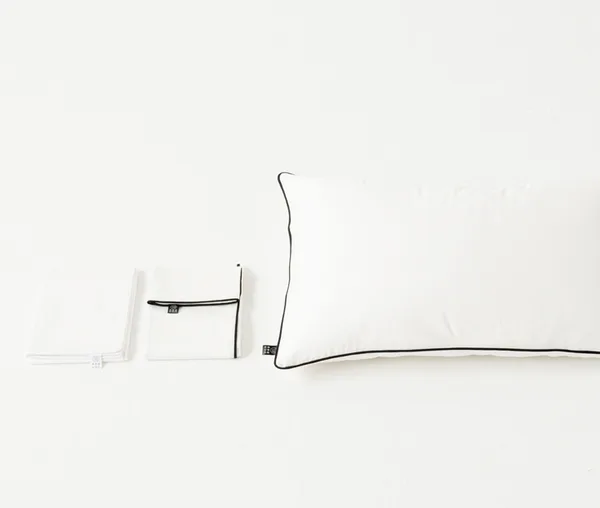
Choosing a luxury pillowcase comes down to three things: material, yarn count and weave. Pick the fiber that suits the feel you like and the season, then factor in size and ease of care, and you'll find a pillowcase you're genuinely happy with. At Omotesando Futonten we offer clean, crisp white pillowcases — come and feel the difference between the materials for yourself.
Frequently asked questions
What's the difference between a luxury pillowcase and an ordinary one?
Mainly the quality of the material, the yarn count and the weave. Pillowcases made from long-staple cotton and fine, high-count yarns, carefully woven, tend to feel smoother against the skin — and that's reflected in the price.
Is silk or cotton better for a pillowcase?
It depends on your preference. If low friction and a soft sheen matter most to you, silk is the usual choice; if breathability and easy washing come first, cotton tends to win.
How do I choose the right pillowcase size?
Start by measuring your actual pillow, then compare it with the pillowcase size chart. You'll find a detailed quick-reference chart in our article on how to choose duvet cover sizes.
Can luxury pillowcases be washed at home?
It depends on the material. Cotton is relatively easy to wash, while delicate materials such as silk often call for hand washing or a mesh laundry bag — check the care label first.