The answer in 30 seconds
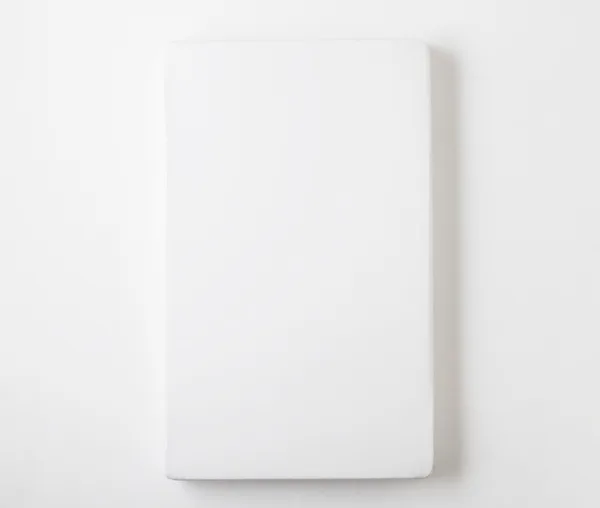
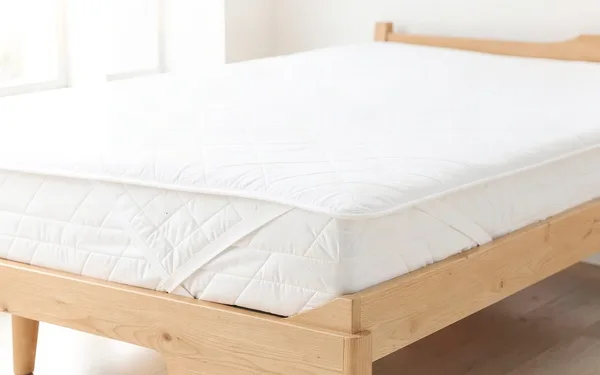
- A fitted sheet is a sheet with elastic at the four corners. It wraps around the mattress, so it stays in place and is easy to put on — and it's the most popular choice today.
- A flat sheet is a plain piece of fabric with no elastic. You tuck it under the mattress, so it's ideal if you want that crisp hotel look.
- Choose your size based on the width and thickness of your mattress. The pocket depth should be 5–8 cm deeper than the mattress is thick. For a mattress 20 cm thick or more, look for a depth of 30 cm or more.
- 100% cotton is the go-to fabric. Linen is great for summer, while extra-long staple cotton works beautifully all year round.
- Wash at least once a week. Having 2–3 sheets in rotation makes life easier.
| What you'll learn in this article
・Fitted sheets vs. flat sheets: the differences and how to choose ・Cotton, linen, silk and microfiber compared ・How to choose the right sheet size for your bed size ・How to wash sheets, and how often |
“How do I choose a sheet?” “Fitted sheet or flat sheet — which is better?” Sheets touch your skin every single night, yet many people aren't sure how to pick the right one.
In this guide, Omotesando Futonten walks you through it all: the different types of sheets, a material-by-material comparison, and how to choose the right size.
Types of sheets: fitted vs. flat
| Type | Characteristics | Pros | Cons | Recommended for |
| Fitted sheets | Elasticated at all four corners | Stays put; quick and easy to fit | Unusable if the size doesn't match | Mattress users; anyone bothered by sheets shifting |
| Flat sheet (easy-fit) | No elastic; a simple flat panel of fabric | Adjustable by how you tuck it in | Can shift out of place | Anyone after a hotel-style look, or who enjoys tucking in the corners |
*Fitted sheets are the standard today. Most people using a mattress choose a fitted sheet.
Sheet fabrics compared

| Material | Moisture absorption | Feel against the skin | Durability | Price range | Characteristics |
| Cotton | ◎ High | ○ Crisp and dry | ◎ Long-lasting | 2,000〜 | The most popular choice. A great balance of moisture absorption and durability |
| Extra-long staple cotton (Egyptian cotton) | ◎ Excellent | ◎ Silk-like | ◎ Excellent | From ¥10,000 | The finest cotton. Outstanding moisture absorption and feel against the skin. |
| Linen | ○ Average | ◎ Cool and crisp | ◎ Exceptionally strong | 5,000〜 | Great for summer. Softens with every wash. |
| Silk | ○ Average | ◎ Excellent | △ Delicate | ¥30,000 and up | The most luxurious feel. Delicate, so handle with care. |
| Microfiber | △ Low | ○ | ○ | 1,000〜 | Affordable and quick-drying. Low moisture absorption, so it can feel clammy. |
Choosing fabrics by season
- Spring and fall: 100% cotton (a well-balanced choice)
- Summer: linen, or lightweight fine-count cotton (excellent breathability)
- Winter: cotton flannel (brushed cotton), or heavyweight cotton
- Year-round: extra-long staple cotton (Egyptian cotton) in a sateen weave
How to choose the right sheet size
Bed size and sheet size chart
| Bed size | Mattress width | Recommended sheet size | Pocket depth |
| Single | 97cm or less | Single (100×200cm / approx. 39×79 in) | 25〜30cm |
| Semi-double | Around 120cm | Semi-double (120×200cm / approx. 47×79 in) | 25〜30cm |
| Double | Around 140cm | Double (140×200cm / approx. 55×79 in) | 25〜30cm |
| Queen | Around 160cm | Queen (160×200cm / approx. 63×79 in) | 30cm |
| King | 180cm or more | King (180×200cm) | 30cm |
| With a fitted sheet, always check the height (depth) of your mattress. If the depth is off, the corners will slip out of place. For mattresses 20cm or thicker, choose a fitted sheet with a pocket depth of 30cm or more. |
How to wash and care for your sheets
How often to wash
| Season | How often to wash | Why |
| Summer (heavy sweating) | 1–2 times a week | You sweat more in your sleep |
| Winter (light sweating) | Once a week | The minimum for staying hygienic |
| All seasons | At least once a week | Prevents dust mites and body-oil buildup |
The right way to wash
- Water temperature: 30–40°C (cotton), 30°C or below (linen and silk)
- Mesh laundry bag: always use one for silk and other delicate, premium fabrics
- Spin cycle: keep it short (1–2 minutes) to prevent wrinkles
- Drying: line-dry outdoors if the fabric tolerates direct sun; dry linen in the shade
Frequently Asked Questions
- How many sets of sheets should I have?
- We recommend at least two (one on the bed, one in the wash). If you launder once or twice a week, three sets give you comfortable breathing room.
- What are the downsides of linen sheets?
- Linen can feel stiff the first few times you use it, but it softens with every wash. It also wrinkles more easily than cotton. That said, it's exceptionally breathable, especially comfortable in summer, and only gets better the more you use it.
- What should I do if the sheet size doesn't fit?
- With a fitted sheet, too little depth (pocket depth) is what makes it pop off. Measure your mattress thickness and choose a sheet with a pocket 5–8cm deeper than that.
Summary
- Fitted sheets (elasticated at all four corners) are the standard today. Choose one to match your mattress depth.
- 100% cotton is the standard fabric. Linen is ideal for summer, extra-long staple cotton for year-round use.
- Match the size to your bed, and with fitted sheets, pay close attention to depth.
- Wash at least once a week — once or twice a week in summer.
- Care for premium fabrics (linen and silk) with low temperatures and shade drying.
| ▶ Browse all sheets at Omotesando Futonten |
How to choose the right pocket (gusset) depth for a fitted sheet
A fitted sheet is a pouch-shaped sheet with elastic at all four corners, and the part that wraps around the mattress is called the pocket or gusset. If this pocket depth doesn't match your mattress thickness, the sheet will slip off or the corners will ride up while you sleep.
- Start by actually measuring the thickness of your mattress at home.
- Choose a fitted sheet with a pocket deeper than that measurement.
- For thick mattresses (20cm or more), choose a pocket depth of 30cm or more.
Before you buy, always check the pocket (gusset) depth listed on the product page.
How to use a flat sheet
A flat sheet is a single piece of fabric with no elastic; you tuck all four sides under the mattress. Finishing the corners with a triangular "hospital corner" fold gives a crisp, hotel-like look and helps keep the sheet from shifting too much.
- Tuck all four sides firmly under the mattress
- Fold the corners into triangles so the sheet stays put
- Straighten it out whenever it shifts during the night
Recommended fabrics for fitted sheets
Because a fitted sheet is against your skin for hours at a time, 100% cotton is the classic choice for its balance of moisture absorption and durability. Choose linen if summer breathability is your priority, or extra-long staple cotton (Egyptian cotton) in a sateen weave for a luxurious feel all year round.