The answer in 30 seconds
- Skip outdoor airing during pollen seasonPollen works its way into the fibers and can't be fully brushed out, so drying indoors is the rule.
- A futon dryer works wellIt removes moisture without opening a window, so you can keep your comforter fresh without worrying about pollen.
- Brush it off thoroughly before bringing it inIf you have no choice but to air it outside, brush the pollen off the surface before you carry it indoors.
- Launder your covers oftenCovers and pillowcases are easier to wash than the comforter itself, so washing them frequently helps keep pollen at bay.
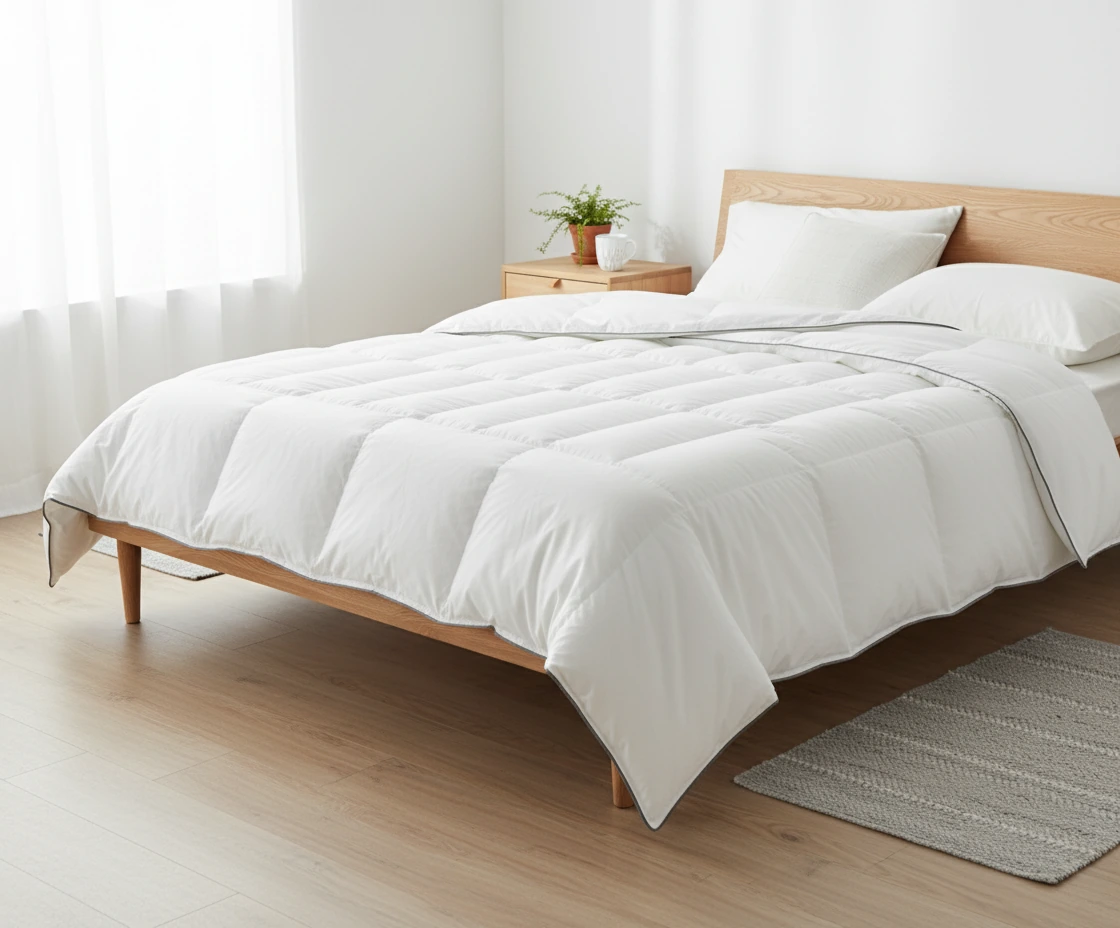
During pollen season, the basic rule is to keep your down comforter off the balcony and out of the sun. A comforter's shell fabric has a finely textured weave, and once pollen settles into it, brushing alone won't remove it completely. Drying indoors or using a futon dryer — and giving the comforter a thorough brush-down before you carry it inside — reduces the amount of pollen that ends up in your bedding.
Why you should avoid airing bedding outdoors during pollen season
Pollen grains are extremely fine and travel long distances on the wind. Air a comforter outside and that pollen easily works its way into the weave of the fabric and across the surface of the down layers. Once it's there, a quick shake won't get it out — and it can trigger sneezing and a stuffy nose when you snuggle into bed at night. Sun-drying a down comforter isn't recommended in the first place, since UV rays degrade the shell fabric and strip the natural oils from the down. For both pollen control and the long life of your comforter, early spring is the time to keep it indoors. For our full approach to airing bedding, see How to Air a Down Comforter the Right Way: Why Direct Sun Is a No-Go, Explained by a Specialist Store.
Drying indoors and using a futon dryer
To keep a down comforter fresh, the easiest approach is to hang it on a rack or hanger somewhere well ventilated indoors and let the moisture escape. Running a circulator or extractor fan instead of opening the windows keeps the air moving without inviting pollen inside. A futon dryer (bedding dryer) also pulls moisture out of the comforter quickly, with no need to open a window — one of the main ways pollen gets in. You'll find usage tips and precautions in Can You Put a Down Comforter in the Dryer? Home Dryer and Laundromat Tips from a Specialist Store. Some models include a dedicated down-comforter mode, so check the settings before you start.
How to bring bedding in if you really must air it outside
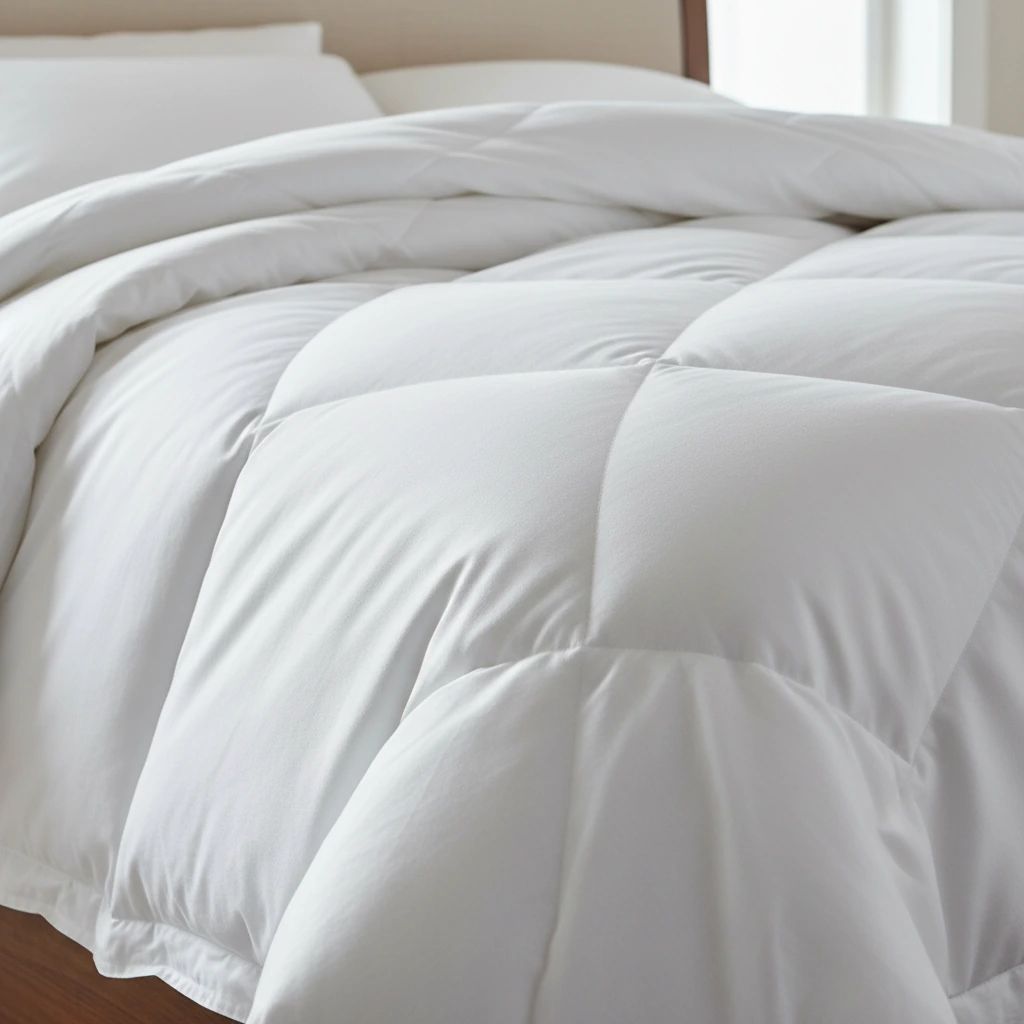
If you have no choice but to air your comforter briefly when pollen counts are low — early in the morning, or right after rain — what you do before bringing it in matters most. Give the surface a light brush-down while you're still on the balcony, and if you can, air it with a pollen-resistant protective cover on to limit how much settles. Once indoors, use a lint roller by the entryway or window to lift any remaining pollen from the surface before carrying it to the bedroom. Rather than the comforter itself, frequently laundering the duvet cover is another effective pollen strategy. For fabrics and how to choose, see How to Choose a Down Comforter Cover: What Makes a Luxury Duvet Cover — Fabric, Yarn Count and Weave. If you want to make washing a habit, choosing something like a crisp white duvet cover that's easy to swap and launder often is one smart option.
What to do when pollen has already worked its way in
If pollen has settled deep into the fibers after airing outdoors, brushing the surface may not solve it. Washing a down comforter yourself at home risks damaging the fabric and the down, so talking to a professional cleaning specialist is worth considering. The cleaning process gently washes away the grime and pollen clinging to the down.
For whether you can wash at home and how to go about it, see Washing a Down Comforter: Can You Do It at Home? Washing, Drying and When to Choose Professional Cleaning, Explained by a Specialist Store. Since the comforter itself can't be laundered often, regularly washing your fitted sheet and pillowcases spreads the load of keeping pollen and other allergens in check.
Summary
During pollen season, the rule for a down comforter is simple: skip the outdoor airing and rely on indoor drying or a futon dryer instead. If you must air it outside, pick your moment and brush the pollen off thoroughly before bringing it in. Launder your covers often, keep pollen from building up in your bedding, and enjoy a comfortable spring.
Frequently asked questions
What if I want to air my comforter during pollen season?
Air it only briefly, early in the morning or right after rain when pollen counts are low, and brush the surface down before bringing it inside to limit what sticks. As a rule, though, drying indoors or using a futon dryer is the better choice.
Is it safe to use a futon dryer on a down comforter?
Most futon dryers include a mode for down comforters, and they're safe to use at the right temperature setting. For detailed precautions, see our article on down comforters and dryers.
Can I wash a down comforter at home once pollen gets into it?
Because of how they're built, down comforters aren't always suited to full washing at home. If pollen or soiling concerns you, consider consulting a professional cleaning specialist.
Does washing the duvet cover really help with pollen?
Yes. Covers and pillowcases are far easier to launder than the comforter itself, and washing them often helps reduce the buildup of allergens, pollen included.