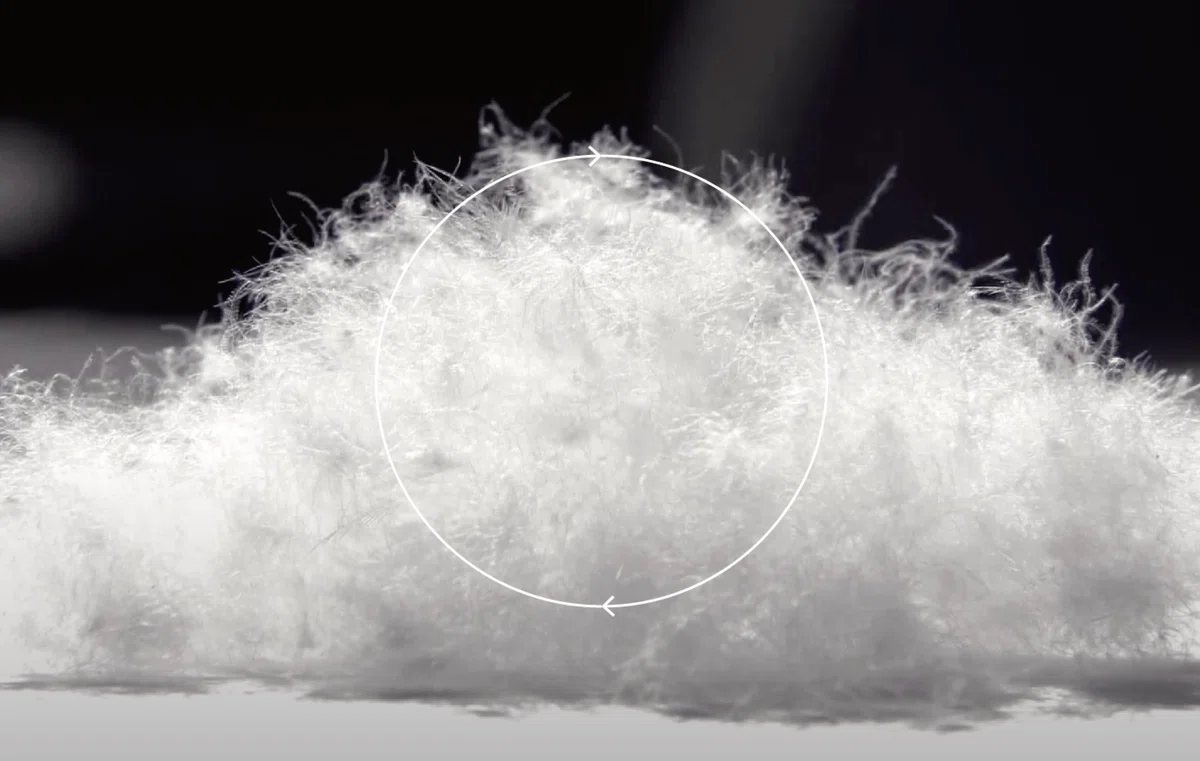
The answer in 30 seconds
- The two things to look at are the type of down and the down cluster ratio. There are two main raw materials: goose and duck.
- Goose down is lighter and warmer than duck down. Geese are larger birds, so their down clusters are bigger and trap more air.
- Goose down is said to have less odor. Compared with ducks, which are omnivores, geese are herbivores and are said to carry less animal odor.
- Choose a down cluster ratio of at least 90%. The down cluster ratio is the proportion of down to feathers. It's a key benchmark when choosing a down comforter.
There are countless down comforters (duvets) out there, from expensive to inexpensive.
Many customers tell us they have no idea which one to choose, or what to look for.
Sleep has been in the spotlight lately, from sleep tech onward — and within that, the comforter plays a very important role.
So in this article we've gathered the key points in plain language to help you choose the right comforter.
Finding the right comforter for you starts with understanding the types of down.
Down comforters are made from two main materials: goose down and duck down.
Our lineup also includes comforters filled with what is known as mother goose down, but let's start by understanding the difference between these two.
The difference between the two comes down to exactly this: size and odor.
Point 1: Size of the bird
Geese are more than twice the size of ducks.
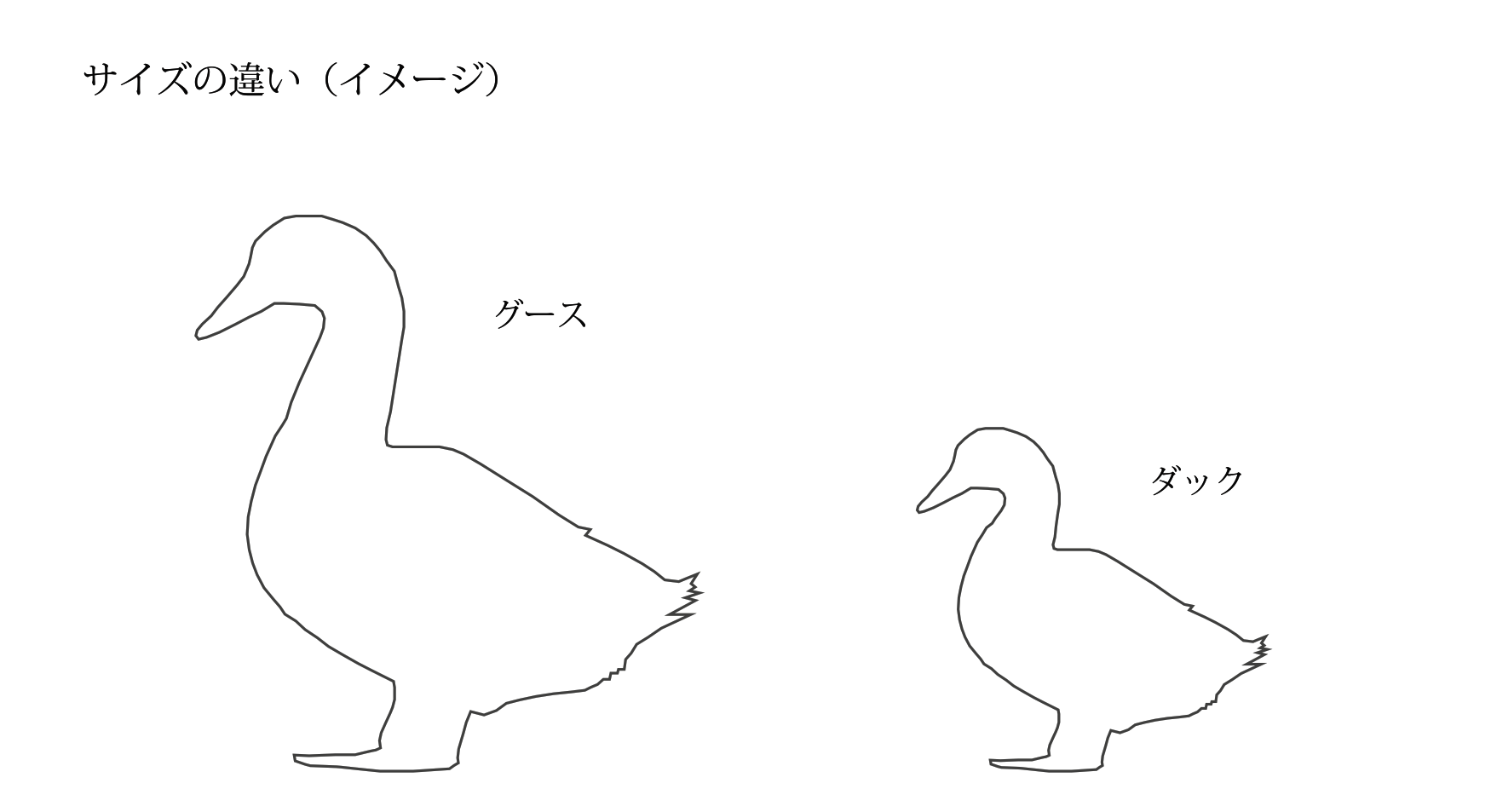
As a result, the down they yield (known as down clusters) is also more than twice as large.
Because goose down clusters are big, they trap more air, making the comforter lighter and warmer.
The true virtues of a down comforter — light yet warm — come through most faithfully with large goose down clusters.
They are more than twice the size of duck down clusters, so they trap more air and deliver more warmth with less weight.
Duck down clusters, on the other hand, are smaller, so for the same fill weight you need more of them, and the comforter feels heavier.
Think of goose down as floating softly in the air at all times, while duck down tends to sink and settle downward.
Point 2: Odor
All down carries some natural animal odor, but plant-eating geese are said to have less of it than omnivorous ducks.
In our own in-store sampling at Omotesando Futonten, about 40% of visitors said they could smell duck down, while not a single visitor said they could smell goose down.
These are the reasons goose down costs more than duck down.
"Down cluster ratio": the key term when choosing a down comforter
You've probably seen a down comforter spec listed as something like "93% down, 7% feather."
This is an important indicator when choosing a down comforter.
"Down" refers to the soft clusters from the bird's breast, while "feather" refers to the quilled plumage (the kind you see on charity feather pins!).
A single bird yields a large volume of feather, and because feather can't loft the way down does, it offers neither lightness nor warmth, making it poorly suited as a down comforter filling.
The proportion of down to feather is what we call the down cluster ratio.
Under Japan's Household Goods Quality Labeling Act, a comforter with a down cluster ratio of 50% or more may be labeled a "down comforter" (umo futon); anything below that is called a "feather comforter" (hane futon).
For products with a down cluster ratio below 90%, the figures are quite unreliable. Manufacturers see little point in paying to have low-ratio products certified, so the stated numbers can't be trusted.
That's why, when choosing a down comforter, it is so important to pick one with a down cluster ratio of at least 90%.
You can buy our products with confidence: each one has been tested by an independent laboratory and certified at a down cluster ratio of 90% or more.
Summary
When choosing a down comforter, focus on the type of down and the down cluster ratio to find the one that's right for you.
For high-quality Japanese-made premium down comforters (duvets), choose Omotesando Futonten
Frequently asked questions
Why is goose down more expensive than duck down?
Goose down has larger down clusters that trap more air, making it light and warm, and because geese are plant-eating, their down is said to have less odor. In a survey of visitors to our store, about 40% said they could smell duck down, while no one said they could smell goose down.
What's the difference between down and feathers?
Down is the soft plumage from a bird's chest, while feathers are the quills with their vanes. A single bird yields a large quantity of feathers, but because they don't loft like down, they lack lightness and insulating power — which makes them poorly suited as a fill for a down comforter.
What's the difference between a down comforter and a feather comforter?
A product with a down cluster ratio of 50% or more is called a "down comforter"; anything below that is a "feather comforter." That said, labeling on products under 90% down tends to be vague and the figures are considered less reliable, so look for 90% or higher as a rule of thumb.