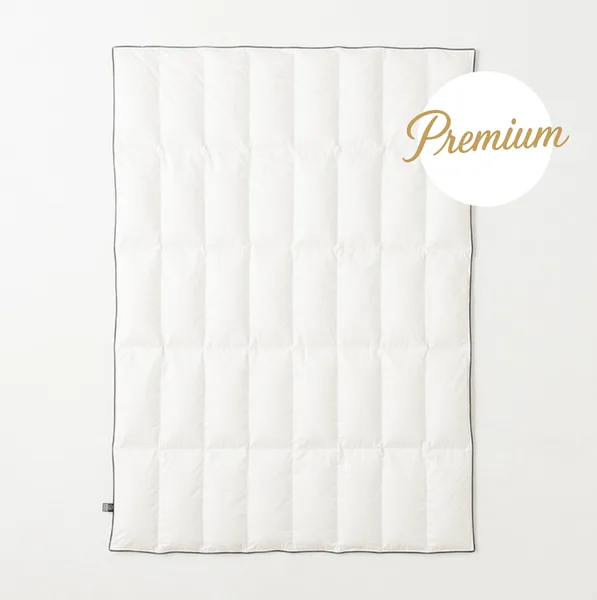
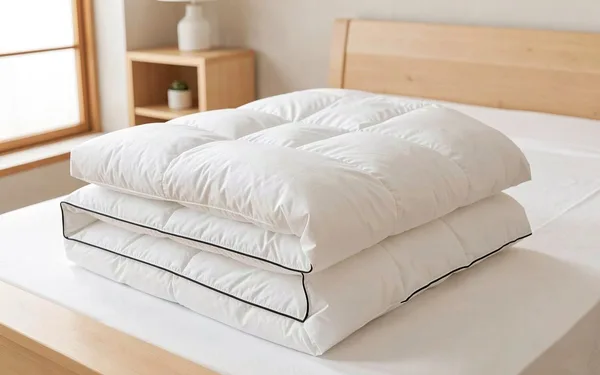
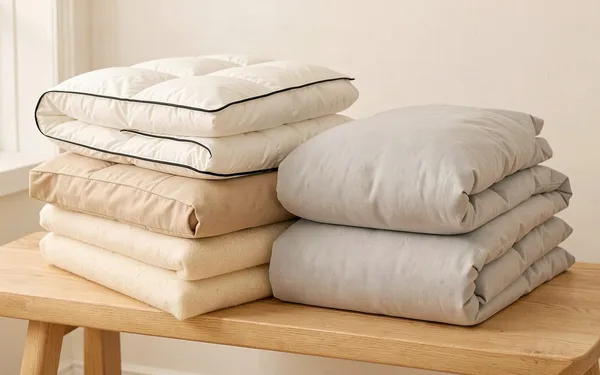
The answer in 30 seconds
- Let sleep quality be the deciding factor. Start by pinpointing what's actually disturbing your sleep — snoring, body-temperature differences, tossing and turning.
- You can separate the bedding instead of the bedroom. Stay in the same room and simply use separate comforters or futon mattresses — that solves most issues.
- For temperature differences or cover tug-of-war, use separate comforters. If it's the movement from tossing and turning that bothers you, separate the futon mattresses or mattresses.
- Two Singles make it easier to pick materials and keep them clean. One Double feels more unified, but invites tug-of-war and can't accommodate different temperature preferences.
Whether a couple should sleep under separate bedding is usually less about the relationship and more a practical question: is each person's sleep quality being protected? If snoring, differences in body temperature, or restless tossing and turning are keeping your sleep shallow, you don't have to split up your bedroom — staying in the same room and simply using separate comforters or futon mattresses solves most of the problems. Start by identifying exactly what's disturbing your sleep, then decide whether you need to separate completely or only partially.
Separate bedding doesn't mean trouble in the relationship
Plenty of people feel guilty about using separate bedding or separate bedrooms. But when poor sleep continues night after night, it affects your mood and patience during the day — and that can strain the relationship far more. What matters isn't whether you separate, but how you separate and how you keep communicating afterward.
Checklist: should you separate your bedding?
If several of the following apply to you, it may be a sign to rethink your bedding.
- One of you snores or grinds their teeth, waking the other during the night
- Movement from turning over, or tugging the covers back and forth, keeps your sleep shallow
- You feel temperature very differently — one runs hot, the other runs cold
- Your bedtimes and wake-up times differ, so you wake each other coming and going
- Only one of you struggles with waking during the night or falling asleep
The more boxes you tick, the more you stand to gain from separating your bedding in some form. If only one or two apply, simply revisiting your comforter size or fill material may be enough to fix things.
Before separate bedrooms, consider separate bedding only
When people hear "sleeping separately," most picture fully separate bedrooms. In reality there's a gentler step before that: staying in the same bedroom and separating only the comforters or futon mattresses. You keep your time for conversation and closeness, and remove only the discomfort that happens while you're asleep.
- Separate comforters only: Effective when differences in body temperature or sleeping habits are the issue. No more covers being pulled away when your partner turns over, and each of you can choose a comforter suited to running hot or cold.
- Separate futon mattresses or mattresses only: Movement transfers far less, so one partner turning over is less likely to wake the other.
- Separate both, in the same room: Keep the bedroom as it is and place two sets of beds or futons side by side. Each of you keeps your own sleep environment while still enjoying the comfort of sleeping in the same space.
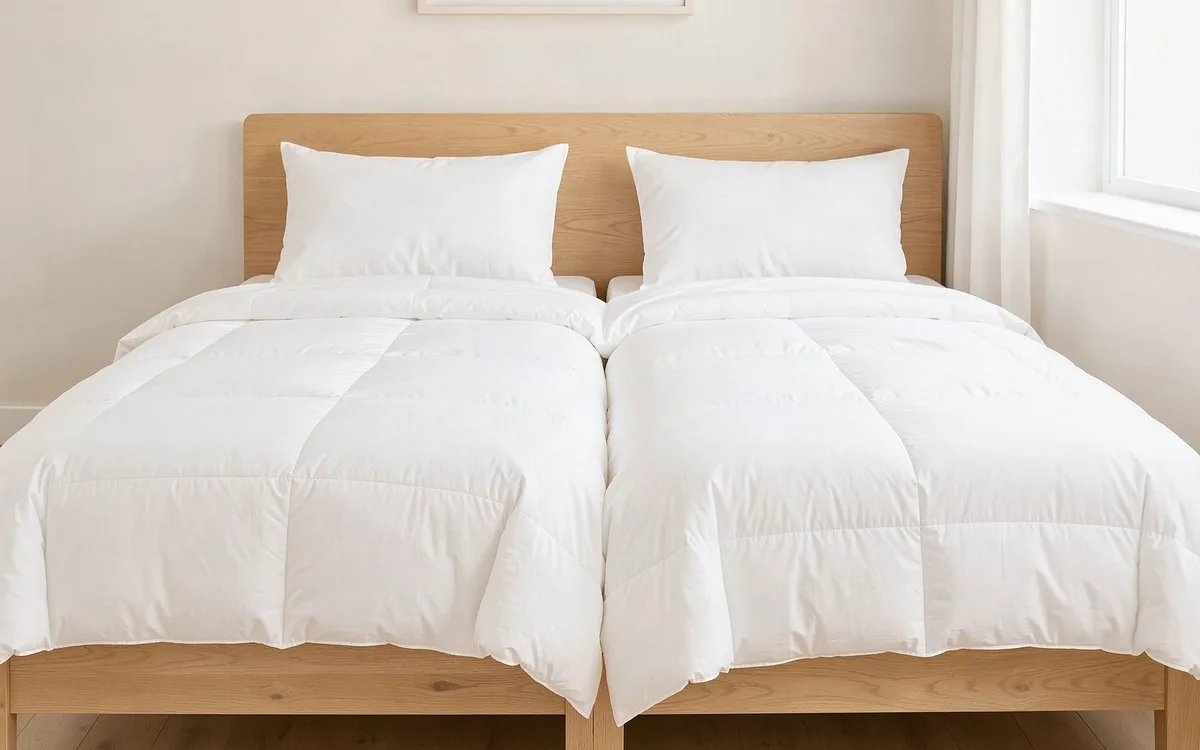
For more on types of comforters and how to use them through the seasons, see What is a comforter? How it differs from a down comforter, plus types and how to choose.
One Double or two Singles — which is better?
When separating comforters in the same room, many people wonder whether to go with one Double, two Singles, or two Semi-doubles side by side. Here's how they compare.
| Type | Benefit | Drawbacks |
|---|---|---|
| One Double | Feels cozy and shared; only one comforter to store and bring out | Easy to tug off each other; hard to accommodate different body temperatures |
| Two Singles | Choose fills to match each person's warmth and preference; easier to wash and care for | A gap tends to open up between the two comforters; the room looks slightly divided |
| Two Semi-double beds | Plenty of room to turn over, with each person's bedding managed individually | Requires room width (180cm or more as a guide); somewhat higher cost |
The best futon mattress or bed size also depends on your build and the size of your room. For detailed dimensions, see How to choose a down comforter size (Single, Double, Semi-double), and for a full list of dimensions by size, see the futon size chart.
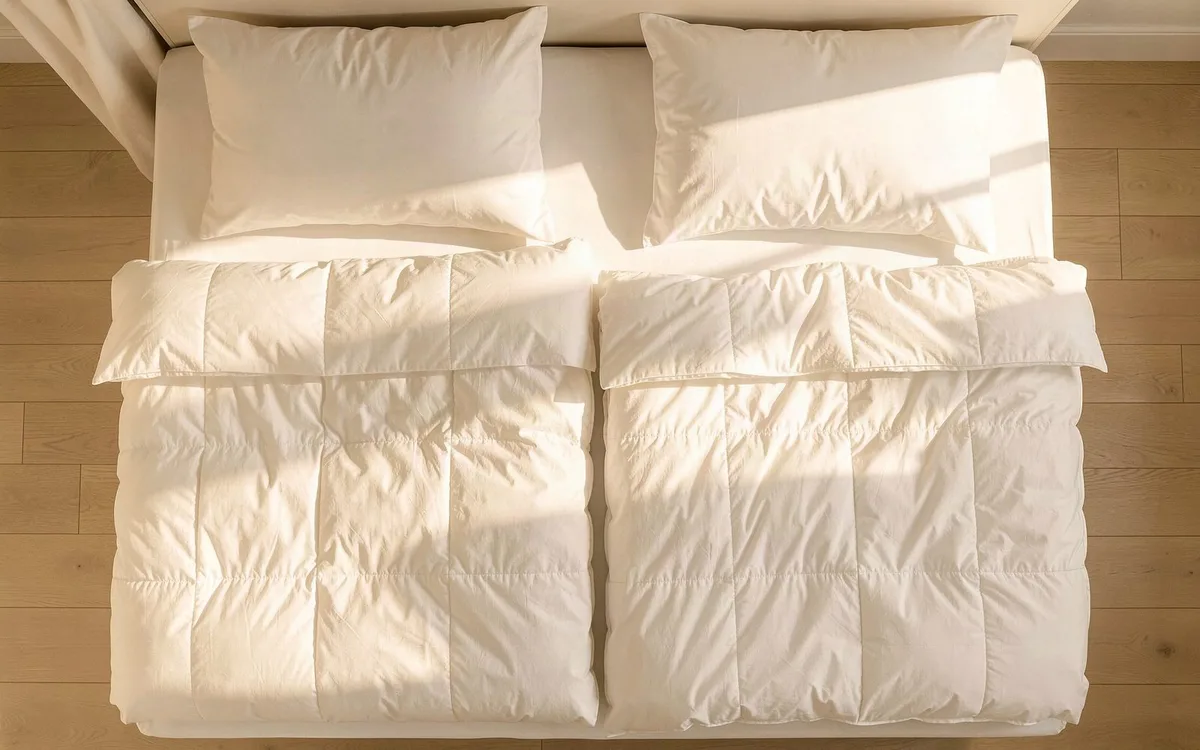
Ease of washing and care is worth factoring in too
A single Double comforter may not fit in your washing machine or futon dryer, and professional cleaning tends to be more of a chore. With two Single comforters, it's easy to wash just one first or replace just one, which also makes hygiene easier to stay on top of. If you'd like to swap out only the covers, choosing individual covers to suit each person's taste — like a crisp white fitted sheet — is another good approach.
How to stay close even with separate bedding
Most of the worry about separate bedding comes down to one question: “Will we talk and touch less at night?” That depends far less on whether you split the bedroom than on how you spend the time before lights out. Setting aside a few minutes to talk before bed, or keeping the habit of turning in at the same time, means you're focusing on how you use the arrangement rather than the arrangement itself — and that makes it easier to protect both your sleep quality and your relationship.
Summary
Whether couples should sleep under separate bedding is best decided from the specific issues you're facing — snoring, differences in body temperature, tossing and turning. In many cases, there's no need to split the bedroom at all: separating just the comforters or just the futon mattresses solves the problem. When choosing sizes and materials, factor in your room size and how easy the bedding is to launder.
Frequently asked questions
Will separate bedding hurt our relationship?
What matters isn't separating the bedding itself, but how you do it and how you communicate afterward. Ongoing poor sleep affects your mood and patience during the day, which can end up straining the relationship instead. Keep habits like talking for a while before bed and turning in at the same time.
How do we decide whether to separate?
If several of these apply — you wake to snoring or teeth grinding, your sleep is shallow because of movement or tug-of-war over the covers, the two of you feel hot and cold very differently, or your bedtimes and wake-up times don't match — separating your bedding has clear benefits. If only one or two apply, rethinking the size or material of your comforter may be enough.
One Double or two Singles — which is easier to care for?
Two Singles. A single Double comforter may not fit in a washing machine or futon dryer, and professional cleaning tends to be more of a chore. With two Singles, it's easy to wash just one first or replace just one.