The answer in 30 seconds
- Bedding makes a practical celebration gift. It's always needed in a new home, and it's a category couples tend to put off buying.
- Size is the biggest thing to watch. If you're giving a comforter itself, check how the bedroom is set up. If they sleep separately, they'll need two Singles.
- When in doubt, choose something that doesn't depend on size. A pillow, a cover or a blanket. For ¥10,000–30,000, duvet covers and sheets are hard to get wrong.
- Some families traditionally avoid giving bedding. Among relatives, check beforehand. When in doubt, go with a cover, towels or another related item.
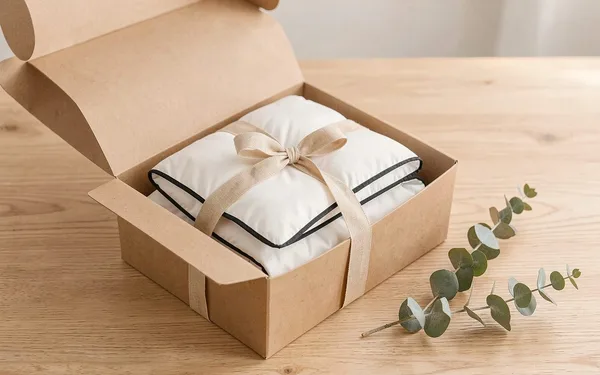
Giving bedding as a wedding or housewarming gift makes perfect sense on a practical level. It's something every new household needs, and exactly the category couples tend to put off buying.
That said, bedding comes with two pitfalls: "size" and "family customs". This article walks through how to avoid both, and how to think about choosing bedding as a wedding or housewarming gift.
What you'll learn in this article
- Two things to watch for when giving bedding as a wedding gift
- How to choose when you don't know the size
- Recommended categories by budget
- What to consider for a housewarming gift
- When bedding isn't the right gift
Why bedding makes a great gift
When people get married or move into a new home, furniture and appliances come first, and bedding tends to be a case of "we'll just use what we have for now." In reality, though, bedding is the item you spend more time with than any other in your life — 8 hours a day, roughly 3,000 hours a year. It shapes the quality of all those hours.
Precisely because couples put it off, bedding has real value as a gift. This is a category where the idea of giving something in a price range people wouldn't buy for themselves fits perfectly.
Point 1 | The wrong size can't be used
A comforter is only usable if it matches the bed or futon mattress size. Give a Double comforter for a Single sleeping space and it will trail on the floor.
The tricky part about wedding gifts is that only the couple knows how their new bedroom will be set up.
| Bedroom setup | Comforter needed |
|---|---|
| One Double bed | One Double or Queen comforter |
| Two Single beds side by side | Two Single comforters |
| Two Semi-double beds | Two Semi-double comforters |
| Futon mattresses in a Japanese-style tatami room | Two Single comforters |
More and more households now sleep together but under separate comforters. Separate comforters mean less disturbance from tossing and turning or differences in body temperature, which improves sleep quality. In that case, you need two Single comforters rather than one large one.
How to avoid the size problem
- Ask them directly: the surest approach. Less of a surprise, but nothing can go wrong.
- Choose something that doesn't depend on size: a pillow, a pillowcase or a blanket.
- Give a gift card or gift catalog: let them choose for themselves.
- Let them try it with a rental first: a monthly service like our Monthly Comforter Rental also makes it easy to switch sizes.
Point 2 | Family and regional customs
In some regions and among some generations, there is a view that bedding should be avoided as a wedding gift. Some people are superstitious about the associations of words like "sleeping" and "laying out a futon," and in some areas the custom survives that bedding is part of the bride's trousseau, provided by her family.
For gifts between relatives, it's reassuring to check with the family beforehand. For a casual gift between friends, it's usually not a concern.
If you're unsure, choosing "around the bed" items — covers, towels or blankets — rather than the comforter itself keeps everyone comfortable. You keep the practicality while sidestepping any concerns about custom.
Recommended categories by budget
| Budget | Categories | Best suited for |
|---|---|---|
| ¥5,000–¥10,000 | Pillowcases, towels | Coworkers, or part of a group gift |
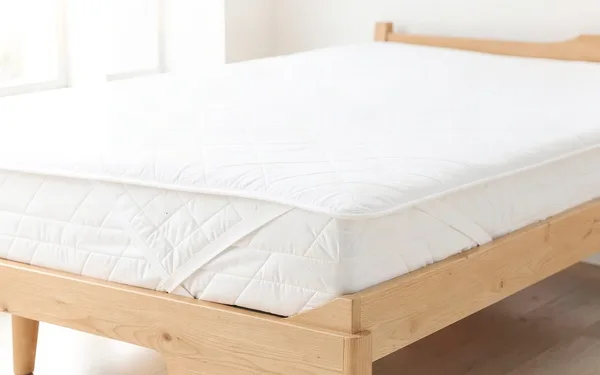
| ¥10,000–30,000 | Duvet covers, fitted sheets and mattress pads | Friends, coworkers |
| ¥30,000–¥50,000 | Pillows, blankets, bedding sets | Close friends, or a joint gift from several people |
| ¥50,000–100,000 | Down comforter | Relatives, siblings |
| ¥100,000 and up | Down comforter (premium grade) | From parents, or a particularly special relationship |
¥10,000–¥30,000|Duvet covers & sheets
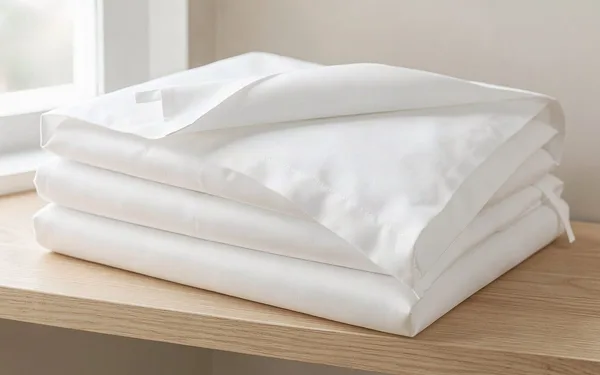
This is the safest price range. Covers and sheets allow more leeway in sizing than the comforter itself, and since they're consumables, a duplicate is never a problem.
It's also a category where quality differences are immediately obvious. It touches the skin every night, yet most people don't splurge on it for themselves — which makes the value of your gift easy to appreciate.
Choose 100% cotton. High-thread-count sateen feels smooth against the skin and only softens with every wash. Simple, white-based pieces such as a crisp white duvet cover or a crisp white fitted sheet work with any interior.
¥30,000–¥50,000|Pillows & blankets
Pillows have virtually no sizing issues and work as a standalone gift. A down pillow like the Clean Cycle Down Pillow is something few people buy for themselves, yet it's used every single night.
Blankets are just as easy to place, since they're at home in the living room as well as the bedroom. A piece like the THE INOUE BROTHERS alpaca blanket works both as bedding and as a lap blanket.
¥50,000 and up|Down comforters
Only when you can confirm the size does the comforter itself become an option. One Double for a couple sharing a bed, or two Singles if they sleep separately.
For relatives, siblings and anyone close enough that you can ask about their bedroom setup, this is the most practical gift of all.
For housewarming and moving-in gifts
Compared with a wedding gift, it's easier to judge the size, because you usually know the layout of the new home. There is, however, another point to consider.
The guest-bedding option
A new home often calls for a set of bedding for guests. Even households that already have their own bedding rarely have a spare set ready for visitors.
If you're giving bedding for guest use, keep the following in mind.
- Go with Single: the standard choice for guest bedding.
- All-season rather than winter-weight: easier to use year-round and less bulky to store.
- With a storage bag: it spends long stretches unused, so easy storage matters.
Will it eat up their storage space?
Comforters are bulky. In an apartment or any home with limited storage, just one extra set can fill up a closet. Consider the size of their home before you decide.
Typical budgets by relationship
The amount spent on wedding and housewarming gifts generally depends on your relationship to the recipient. Use these figures as a guide when choosing bedding.
| Relationship | Typical wedding gift | Typical housewarming gift |
|---|---|---|
| Siblings | ¥30,000–¥100,000 | ¥30,000–¥50,000 |
| Relatives (aunts, uncles, etc.) | ¥30,000–¥50,000 | ¥10,000–30,000 |
| Close friends | ¥10,000–30,000 | ¥10,000–20,000 |
| Work colleagues | ¥5,000–¥10,000 | ¥5,000–¥10,000 |
| Manager to team member | ¥10,000–30,000 | ¥10,000–20,000 |
| Group of friends (joint gift) | ¥5,000–¥10,000 per person | ¥3,000–¥5,000 per person |
Bedding spans a wide range of price points, so it suits any budget: around ¥10,000 for pillowcases or towels, ¥30,000 for a full bedding set, ¥50,000 and up for the comforter itself.
Giving a joint gift
When a group of friends pools their budget, the comforter itself becomes a realistic choice. Confirming the size first is essential, though.
Whoever is organizing the gift should check the following.
- The bedroom setup in their new home (one Double bed, or two Singles?)
- Whether another group is giving the same gift
- Whether the price is so high that the thank-you gift (uchiiwai, the customary return gift) becomes a burden
Noshi gift labels and wording basics
| Occasion | Label wording (omotegaki) | Mizuhiki cord |
|---|---|---|
| Wedding gift | Oiwai or Kotobuki (Congratulations) | Red-and-white, 10 cords, musubikiri (a knot tied once, not meant to be undone) |
| Housewarming / new home gift | Go-shinchiku o-iwai or Shuku go-shinchiku (Congratulations on your new home) | Red-and-white, 5 strands, bow knot (for happy occasions that may repeat) |
| Housewarming gift (rental home) | Congratulations on Your New Home | Red-and-white, 5 strands, bow knot (for happy occasions that may repeat) |
| Thank-you gift (uchiiwai) | With Thanks | Matches the occasion |
The musubikiri knot is used only for weddings, because it carries the wish that the occasion happen just once. For happy events you would welcome again and again, the chomusubi (bow knot) is used instead.
Uchi-noshi and soto-noshi
- Uchi-noshi (inner gift label): the noshi label is placed directly on the item, which is then wrapped. An understated look — best when the gift is shipped.
- Soto-noshi (outer gift label): the noshi label goes over the wrapping, so the inscription is visible. Best when you hand the gift over in person.
For gifts sent by courier, uchi-noshi is the usual choice because the label stays protected in transit.
Gifts that delight — and gifts that cause trouble
Gifts that tend to delight
- High-quality covers and sheets: something people don't buy for themselves but use every day, with plenty of leeway on size.
- Pillowcases: they touch the face, so a difference in quality is easy to feel.
- Blankets: equally at home in the bedroom or the living room.
- Pillows: no size issues, and complete on their own.
Gifts that tend to cause trouble
- A comforter in the wrong size: unusable, and awkward to get rid of.
- Bedding with bold colors or patterns: if it doesn't suit their interior, it won't get used.
- Something they already own: bedding lasts 10 years or more, so duplicates become a storage problem.
- Anything hard to care for: materials that require professional cleaning become a burden.
- Bulky sets: a burden in homes with limited storage.
The guiding principle is this: the less sizing matters, and the more it's something that wears out and gets replaced, the safer the choice. That's exactly why covers and sheets are such a reliable standby.
A few words worth sharing with your gift
How a down comforter is used makes a big difference to how well it performs. Passing along these few points with your gift will help them enjoy it for years.
- Always use a duvet cover (it prevents most soiling of the comforter itself)
- Layer blankets on top of the comforter (underneath, the down can't loft properly)
- Don't air it in direct sunlight (1–2 hours in the shade is plenty)
- Never beat it with a futon paddle (it snaps the down fibers)
- Avoid long-term storage in vacuum compression bags
For full care instructions, point them to The Right Order for a Down Comforter and Blankets and How to Care for and Maintain a Down Comforter.
When bedding isn't the right gift
- You have no idea how their new bedroom is set up: get the size wrong and it won't be used
- The recipient may have a down allergy: if you can't confirm, choose something else
- They've already bought all-new bedding: these last 10+ years, so you'd be duplicating
- They live somewhere with limited storage: finding a place for it becomes a chore
- Their family's customs discourage giving bedding as a gift
- They haven't moved in yet: it just adds to the boxes. Waiting until they're settled is far more welcome
When to give the gift
Wedding gifts are usually given one to two months before the ceremony, or within a month after it. That said, bulky items like bedding are easier to receive once the couple has settled into their new home.
For a housewarming, one to two months after the move is a good guide. Right after moving, people have their hands full with unpacking, so timing delivery for when things have calmed down a little is a thoughtful touch.
Please also note that made-to-order items take time to produce and ship. If you have a set delivery date in mind, get in touch well in advance.
Keep the return gift (uchiiwai) in mind
By Japanese custom, the person who receives a gift sends back a thank-you gift known as uchiiwai. As a rule of thumb, it's worth about one-third to one-half of the value of the original gift.
In other words, an expensive gift creates an obligation for the recipient to reciprocate — and expenses tend to pile up right after a wedding.
Ways to ease the burden
- Give as a group gift: keeps each person's share modest while still giving something substantial
- Say "no gift in return needed": even as a formality, it makes it easier for them to decide
- Stay within the usual price range: going far beyond what your relationship calls for can leave them feeling obliged
When you want to spend more than the norm
Between parent and child, or among siblings — relationships where return gifts are usually skipped — you can choose freely without worrying about the customary range. In that case, focus on practicality and on confirming the size.
Timing at a glance
| Occasion | Best timing | Why |
|---|---|---|
| Wedding gift | One to two months before the ceremony, or once they've settled into their new home | For bulky items, avoid the period right after the move |
| Housewarming / new home gift | One to two months after the move | The unpacking is done and they can see what they actually need |
| Housewarming gift (rental home) | Within one month of the move | Keep it simpler than a new-home gift |
With bulky items like bedding, it's kind to avoid the moment when boxes are already piling up. Arriving alongside the moving cartons, a comforter simply leaves them wondering where to put it.
Made-to-order items also take time between order and delivery. If you have a set delivery date in mind, please get in touch well in advance.
Frequently asked questions
Is it bad luck to give bedding as a wedding gift?
Some regions and generations do see it that way. If it concerns you, the safe route is to choose covers or towels rather than the bedding itself, or to ask the recipient what they'd like before deciding.
What should I do if I don't know the size?
Choose items that don't depend on bed size, such as pillows, covers or blankets. If you have your heart set on giving the comforter itself, the surest approach is simply to ask the couple.
For the comforter, is one Double better than two Singles?
It comes down to what the couple prefers. More and more households now use separate comforters to avoid being disturbed by a partner's movements or differences in body temperature. If you can ask, do.
Can I give bedding on a ¥10,000 budget?
Absolutely. Pillowcases and towels of genuine quality are well within this budget. Because they touch the skin every night, these are categories where a step up in quality is immediately noticeable.
What if we're giving as a group?
With a larger budget, the comforter itself becomes a realistic option — though confirming the size is essential. If that's difficult, a catalog gift for a full bedding set is another way to go.
How about a guest comforter set as a housewarming gift?
A practical choice — just check that it won't overwhelm their storage space. An all-season (medium-weight) comforter is easier to use year-round than a winter-weight one, and takes up less room when stored.
How do I choose the right duvet cover size?
Match the cover to the comforter size. A Single comforter (150×210 cm / approx. 59×83 in) takes a Single duvet cover.
If the cover is larger, the comforter shifts around inside, creating thin spots that let cold in. If it's too small, the comforter gets compressed and can't loft properly. If you know what size comforter they use, a cover is a safe choice.
For a couple, how many comforters is the right answer?
It's up to them. In recent years, more households use separate comforters to avoid the effects of tossing and turning and differences in body temperature. With one Double comforter, if one person pulls it over, the other gets cold — and when someone who runs hot and someone who runs cold share one comforter, both end up putting up with it.
If you can ask them, do. If you don't know, it's safer to choose something where size matters less, such as a duvet cover or sheets.
Are towels too plain as a gift?
On a budget of ¥10,000 or less, they're actually a practical choice. Most people don't buy high-quality towels for themselves, and they get used every day. Within a full bedding set they're a supporting item, but they're a sure thing.
Summary
- Bedding makes a highly practical wedding or housewarming gift — it's a category couples tend to put off buying.
- Size is the biggest thing to watch. If you're giving the comforter itself, check how their bedroom is set up.
- If you can't check, choose something that doesn't depend on size — a pillow, a cover or a blanket.
- In some regions and families, giving bedding as a gift is traditionally avoided. When in doubt, go with a related accessory instead.
- For a budget of ¥10,000–30,000, duvet covers and sheets are the hardest to get wrong.
- Give it once they've settled into their new home.
Browse duvet covers and sheets at Omotesando Futonten