The answer in 30 seconds
- Sleep investment means viewing what you spend on sleep as an investment in your futureIt's the idea of treating what you spend on sleep time, bedding and your bedroom environment as an investment in maintaining your daytime performance.
- Bedding is the foundation that reduces uncomfortable stimuliWhen warmth and pressure distribution fall short, sleep is more easily disturbed, which is why bedding is seen as the foundation that keeps sleep from being interrupted.
- Thinking in terms of cost per night makes choosing easierInstead of looking at the price alone, divide it by the years of use to get a "cost per night" — it makes the value of quality bedding much easier to see.
- Bedding alone doesn't determine sleep qualityDaily rhythms, bedroom environment and other factors all play a part, so bedding isn't a cure-all — it's one part of the foundation.
"Sleep investment" is the idea of treating the time and money you put into sleep not as spending, but as an investment in your daytime performance and long-term health. The short answer: because bedding touches your skin every day for hours at a time, choosing it on "how many years will it last?" and "how comfortably will I sleep?" — rather than price alone — tends to deliver far better value in the end.
Where the idea of sleep investment comes from
We're said to spend roughly a third of our lives asleep. Plenty of people invest carefully in their work tools and office chair, yet give almost no thought to their bedding. Sleep, however, is also when memories are organized, the body recovers and the autonomic nervous system rebalances — and it is generally considered closely tied to daytime focus and emotional steadiness. Against that backdrop, the idea of treating the time, environment and tools devoted to sleep as "an investment in your future self" has spread, particularly among working professionals.
How bedding quality relates to sleep quality
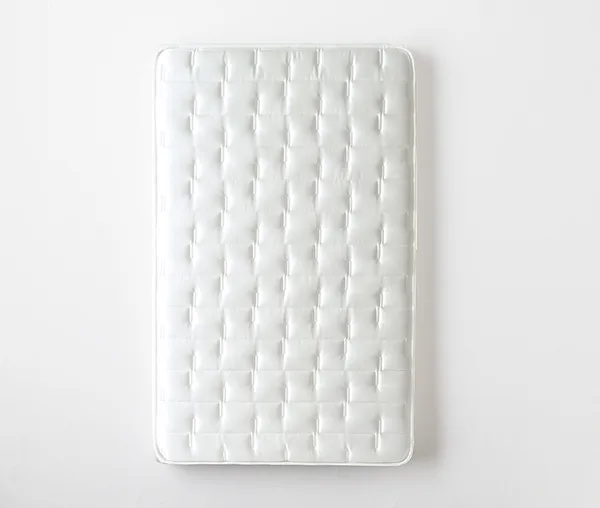
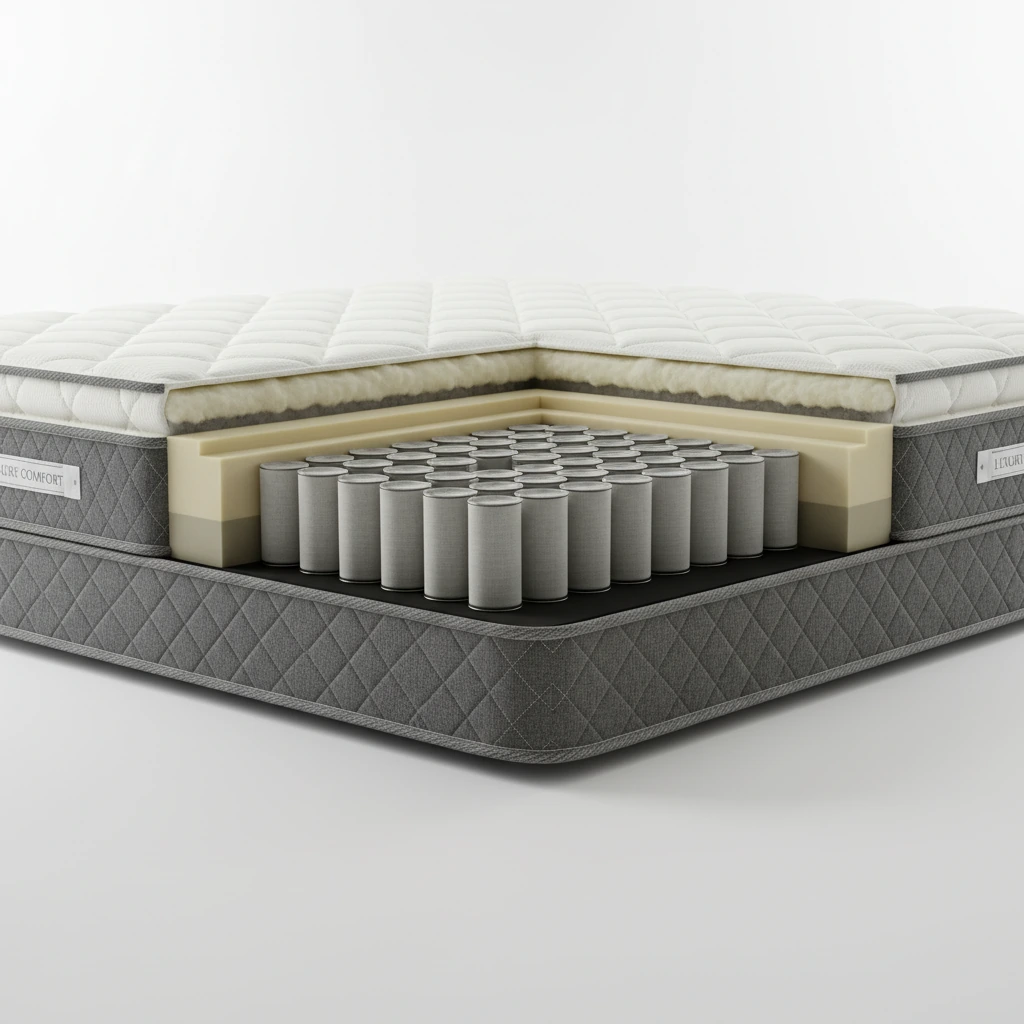
Several aspects of bedding influence how well you sleep. With a comforter, for example, if the balance between warmth retention and moisture release is off, heat, stuffiness or cold can wake you during the night. With a mattress, inadequate pressure distribution can lead to more tossing and turning and contribute to lighter sleep. These are conditions that simply "make it less likely your sleep will be disturbed" — no one can promise that changing your bedding guarantees deep sleep — but reducing uncomfortable stimuli is considered an important foundation for sleeping through the night.
Where your money is best spent
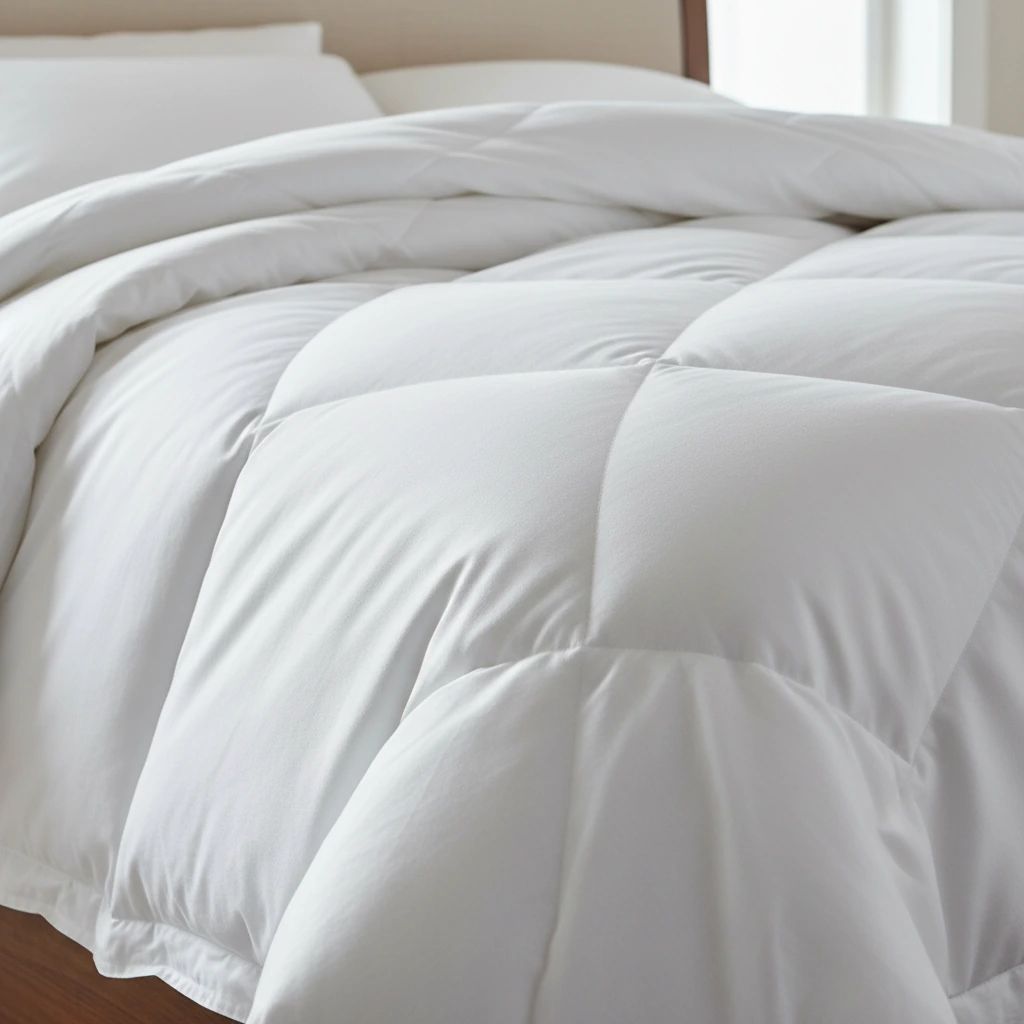
If you're rethinking your bedding through the lens of sleep investment, setting priorities is the practical approach. Generally, the three pieces that touch your skin directly and regulate body temperature every night — the comforter, the mattress and the pillow — are seen as the key places to invest. With down comforters in particular, the quality of the down determines warmth and lightness, and the shell fabric determines durability; cared for properly, some last more than 10 years. Looked at as a cost per year, buying one good piece and keeping it for a long time can work out cheaper than replacing an inexpensive one every few years.
For down comforter price ranges and what actually differs between them, see Down Comforter Price Guide: What Changes at Each Price Point, Explained by a Specialist Store. For choosing luxury bedding in general, What Is a Luxury Comforter? How to Choose Without Regret and Spot a Truly Good Down Comforter is also a helpful read.
Choosing bedding on value for money
When weighing up an investment in bedding, it helps to think in terms of "cost per night" rather than the price itself. A ¥50,000 down comforter used for 7 years, for example, works out at less than ¥20 a night. Conversely, an inexpensive one that flattens and loses warmth within a few years means repeated replacements, and the long-term total can end up higher. Quality and after-sales support also vary by where you buy, so knowing the differences between big-box retailers, online sellers and specialist stores is another useful factor.
If you're unsure where to buy a down comforter, see Where Should You Buy a Down Comforter? Big-Box Stores, Online and Specialist Shops Compared by a Specialist Store. Getting your bedroom's temperature and humidity right is part of sleep investment too — Ideal Winter Bedroom Temperature and Humidity: Is It OK to Sleep with the Heating On? A Specialist Store Explains covers the environmental benchmarks.
What to keep in mind about sleep investment
One final caution. The phrase "sleep investment" can easily inflate expectations into "buy expensive bedding and your sleep will improve dramatically," but sleep quality depends on more than bedding — daily rhythms, light exposure, stress and exercise habits all play a part. Bedding is a foundation for "reducing the things that disturb your sleep," not a cure-all. Choosing where to invest within a comfortable budget, based on your build, your preferred feel and the right comforter for the season (winter-weight, all-season (medium-weight) or summer-weight (light)), is what leads to a choice you'll be happy with for years.
Frequently asked questions
What exactly does sleep investment involve?
It isn't a specific practice — it's the mindset of giving higher priority to protecting your sleep time and to spending on bedding and your bedroom environment, treating it as "an investment in your future self." The practical starting point is to review the things you use every night, such as your comforter and mattress.
Will I definitely sleep better if I buy an expensive down comforter?
That can't be guaranteed. A quality down comforter makes it easier to strike the right balance between warmth and moisture release, which helps reduce the things that disturb your sleep — but sleep quality also depends on lifestyle habits and other factors.
Is there a rough budget guideline for bedding?
There's no single right answer, but dividing the price by the years of use to get a cost per night makes the decision easier. Our article on down comforter price ranges explains in detail what differs at each price point.
Which should come first, the mattress or the comforter?
Both matter for sleep, but the priority depends on your build and your current concerns (frequent tossing and turning, waking up cold or too hot, and so on). We recommend starting with whichever discomfort bothers you most.
Does the bedroom environment count as sleep investment too?
Yes. Temperature, humidity and lighting all affect sleep quality, so reviewing the whole bedroom — not just the bedding — is considered part of sleep investment.