The answer in 30 seconds
- A down comforter needs a coverWe recommend using a cover to prevent soiling, escaping down and wear on the shell fabric.
- Protects the shell fabric from perspiration and body oilsSimply washing the cover keeps things fresh without washing the comforter itself.
- Keeps down from escapingAny down that works out through the seams is far less likely to scatter around the room.
- Reduces wear on the shell fabricThe cover absorbs the friction, helping slow down deterioration of the comforter itself.
The short answer: we strongly recommend using a cover on your down comforter. There are three main reasons — it protects the shell fabric from sweat and body oils, it keeps down from escaping, and it reduces wear on the shell fabric so the comforter lasts longer. Using one without a cover isn't impossible, but over time the damage adds up, which means you'll need a replacement or down comforter refurbishing sooner.
Start with soiling. We're said to sweat close to a cupful over a single night, and when that soaks straight into the shell fabric of a down comforter, it leads to yellowing and odors. The shell is a thin fabric wrapped around the down, so it isn't made for frequent washing. Put a cover in between and you can wash just the cover on a regular basis, leaving the comforter itself untouched and still keeping everything fresh.
Helps keep down from escaping
The shell fabric of a down comforter is given a “down-proof” finish so the down stays put, but over years of use small amounts of down can work their way out through seams and the edges of the quilting. With a cover in place, any down that does escape is far less likely to scatter around the room, and the comforter keeps looking clean and fresh. For more on why down starts to escape, see our separate article, Why down escapes from a down comforter and what to do about it.
Shell fabric wear and the lifespan of your comforter
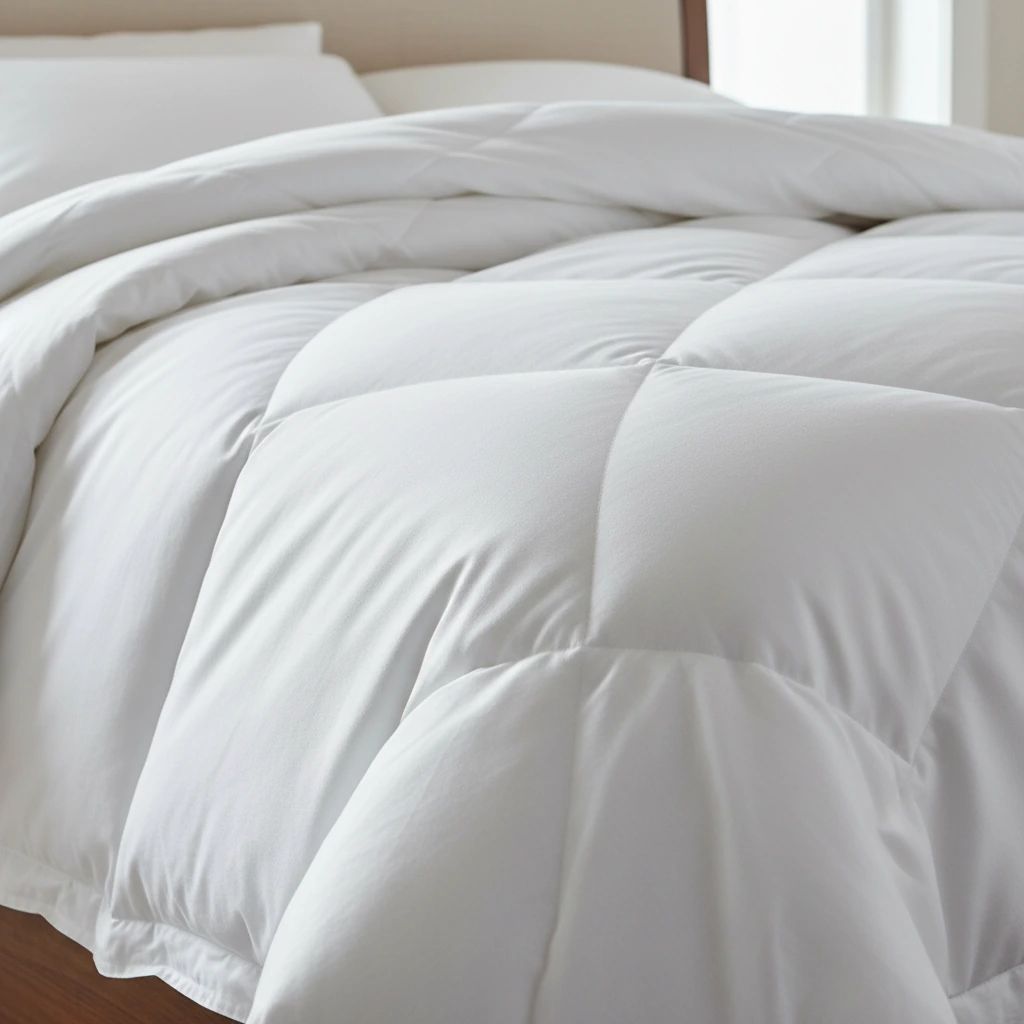
The shell fabric of a down comforter is a lightweight cotton or polyester, and rubbing directly against skin and other bedding gradually causes pilling and fabric deterioration. With a cover on, the cover absorbs most of that friction, slowing wear on the shell itself. The result: a better chance of enjoying your down comforter for many more years. For details on warranty coverage and care, see our article How many years is a down comforter warranty?.
What happens if you use it without a cover
Using a comforter without a cover may not cause obvious problems in the short term, but the following issues become much more likely:
- Perspiration and body oils soak straight into the shell fabric, leading to yellowing and odor
- Friction ages the shell fabric faster, making it easier for down to escape
- The comforter itself has to be washed more often, putting more stress on the shell fabric and the down
A winter-weight comforter used every night is especially exposed to soiling and friction, so it is one piece of bedding where having a cover — or not — makes a real difference.
How to choose a cover
A cover isn’t simply something you “put on and forget” — the fabric and weave change both the feel against your skin and how long it lasts. Cotton sateen has a smooth, luxurious hand, while plain weave is durable and easy to care for. Choosing the wrong size matters too: too large and the comforter shifts around inside; too tight and it strains the quilting. Always match the cover to the size of the comforter itself. For sizing guidance, see How to choose the right duvet cover size, and for a deeper look at fabrics, see How to choose a duvet cover for a down comforter.
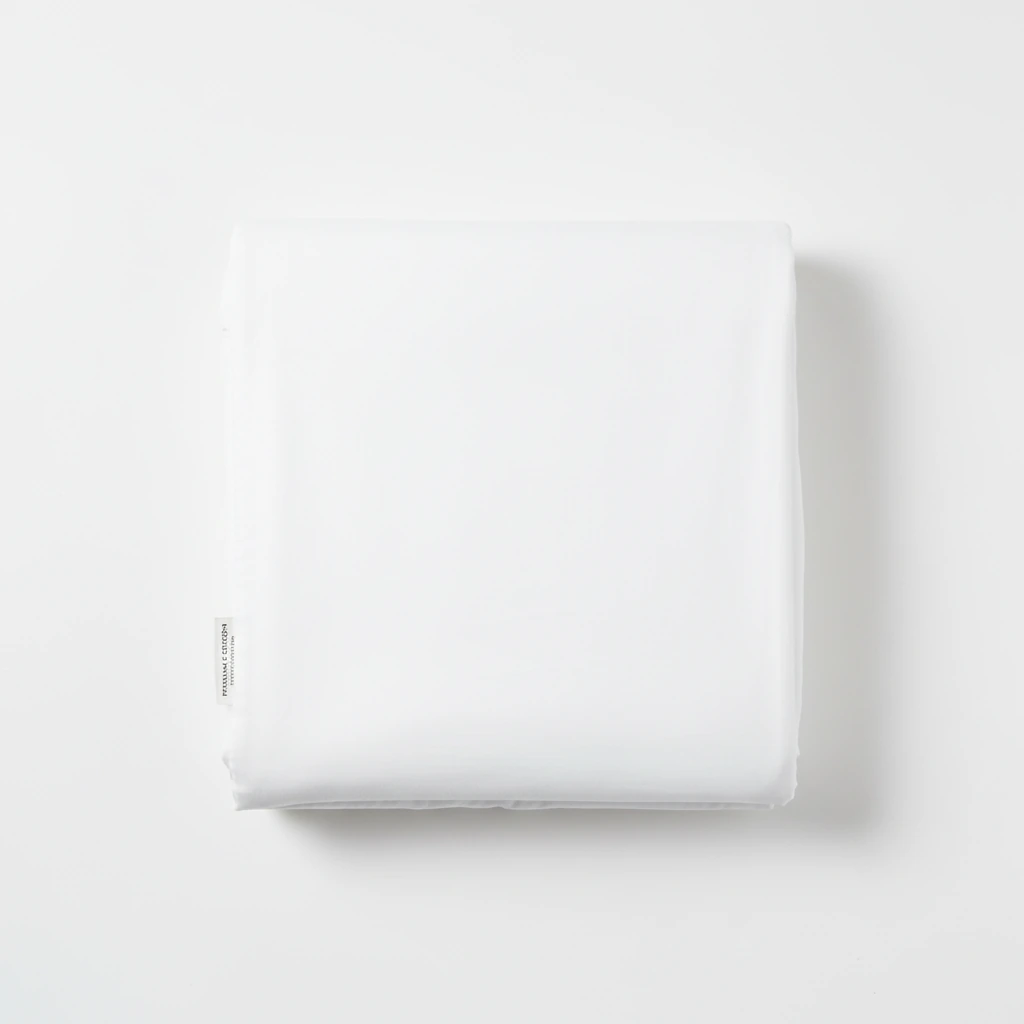
At Omotesando Futonten, we offer crisp white duvet covers balanced for both feel and durability, as well as our design-led cover/cover collection. When you shop for bedding, give the cover as much thought as the down comforter itself.
In short, putting a cover on your down comforter makes sense not only for hygiene, but also to keep down from escaping and to extend the life of the comforter itself. It may feel like an extra chore, but making a habit of washing and changing the cover regularly is what keeps a down comforter comfortable for years to come.
Frequently asked questions
Is it okay to use a down comforter without a cover?
You may not notice problems in the short term, but perspiration and body oils soil the fabric and friction ages the shell fabric faster, so we recommend using a cover.
How often should I wash the cover?
It depends on how you use it, but washing about once a week is a good benchmark for keeping things fresh. In warmer, sweatier seasons, feel free to wash it more often.
What happens if the cover doesn’t match the comforter size?
If it’s too large, the comforter shifts around inside; if it’s too small, it puts strain on the quilting and the shell fabric. Choosing a cover that matches the size of the comforter itself is key.
If I use a cover, do I still need to wash the comforter?
A cover prevents most everyday soiling, but depending on how the comforter is used, we still recommend considering periodic professional cleaning or down comforter refurbishing (remaking with refreshed down).
Types of bedding covers and how to choose
“Bedding covers” actually come in several types depending on where they go: duvet covers for the comforter, fitted covers for a futon mattress or mattress (fitted sheets), and pillowcases for your pillow. A down comforter takes a duvet cover, which protects the shell fabric — switch the fabric with the seasons and it stays comfortable all year round. Note that outside Japan, this type of cover is sometimes listed as a “futon cover.”
About down comforters described as “usable without a cover”
Some down comforters on the market use special shell treatments or higher fabric density to limit down leakage and wear. Even so, perspiration and body oils still transfer directly to the fabric, so for hygiene we recommend using a cover as well. If you are considering going without one, limit it to short-term use or guest bedding, and be sure to air the comforter in the shade and care for it regularly.
Changing covers with the seasons
Highly absorbent cotton in summer, brushed flannel in winter — matching the cover fabric to the season makes it even easier to limit how much perspiration and soiling reaches the down comforter itself.