The answer in 30 seconds
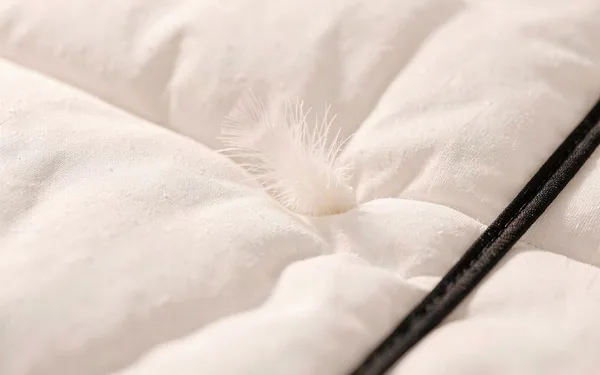
- A claw snag opens a hole and down escapesThe shell fabric is densely woven, but sharp claws can still puncture it in one spot, letting down leak out
- A thick cover is your first line of defenseA cover reduces direct damage to the shell fabric and helps the comforter itself last longer
- Lift hair gently — never rubStroke in one direction with a lint roller, and wash and rotate covers often; that's the realistic routine
- After an accident: dry it, then get it cleanedBlot the moisture without rubbing, and if it has soaked in, consult a professional cleaner promptly
If you share your home with a cat and use a down comforter, three things deserve the most attention: tears in the shell fabric from claws, fur clinging to the surface, and accidents (cat urine). A claw hole in the fabric can let down blow out, fur can be managed with frequent care, and for accidents the safest route is to dry the comforter and then send it to a specialist cleaner. Below, we look at the cause of each and what to do about it.
Why down escapes when claws tear the shell fabric
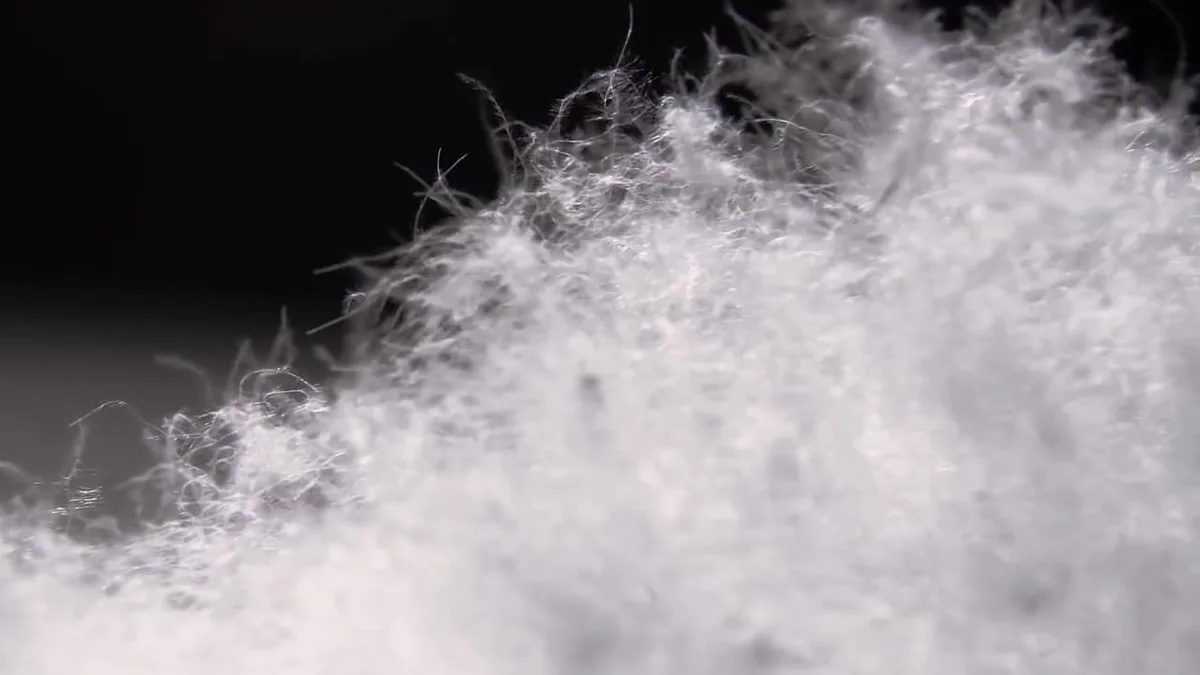
If a cat kneads and scratches on top of your comforter, or claws at it while trying to burrow underneath, a claw can catch in the weave of the shell fabric and open a small hole. The shell fabric of a down comforter is woven at a high thread density so the down can't escape, but it is vulnerable to concentrated scratching from sharp claws, and once a hole opens, down will gradually start working its way out. We cover how down escapes and what to do next in Why down comes out of a down comforter: causes and fixes, so if you've already noticed a hole, take a look there as well.
The basic fix: protect it with a cover
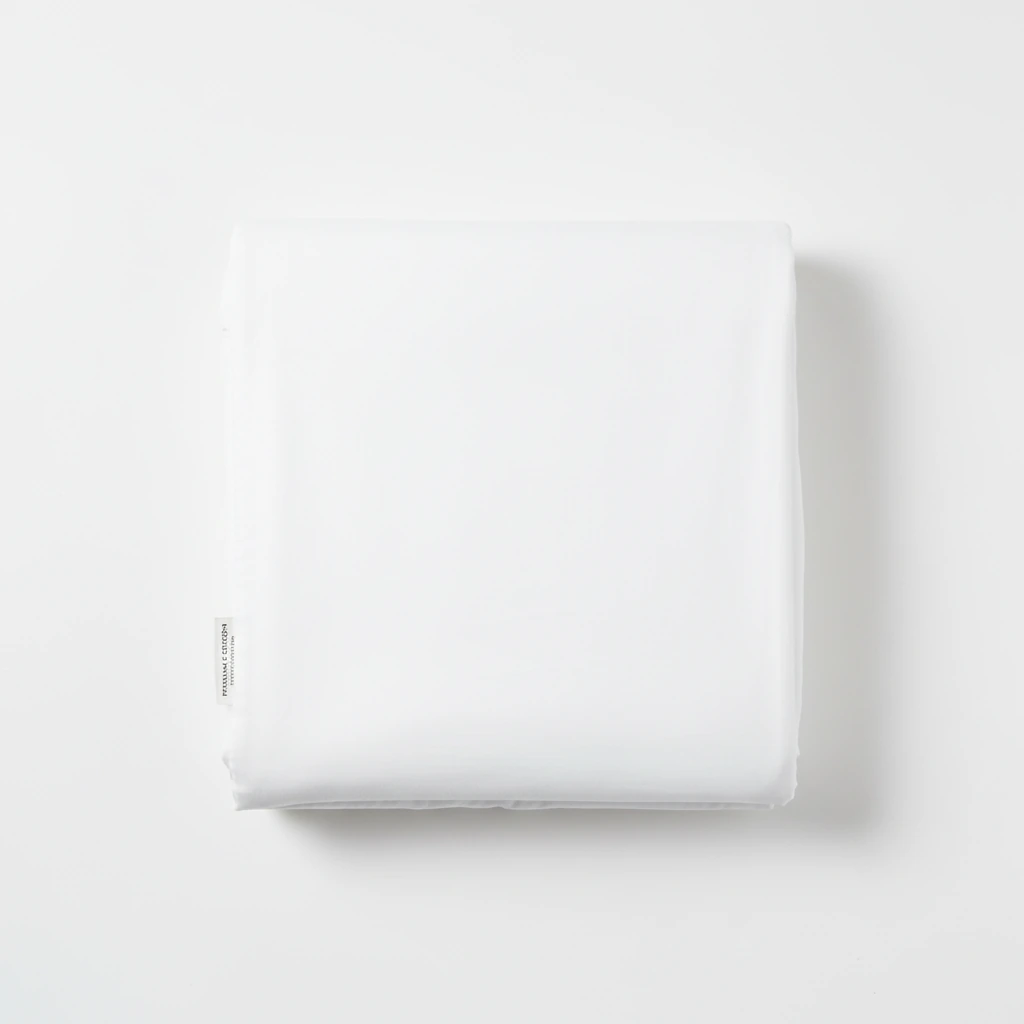
The simplest and most effective defense against cat claws is to put a thick duvet cover on your down comforter. The cover itself cushions the claws and reduces direct damage to the shell fabric. And if the cover gets damaged, you simply replace it — so it also helps the comforter itself last longer. Durability varies with the fabric and the weave, so see How to choose a duvet cover and pick something sturdy that's easy to launder and rotate. Omotesando Futonten also carries a crisp white duvet cover.
How to remove cat hair
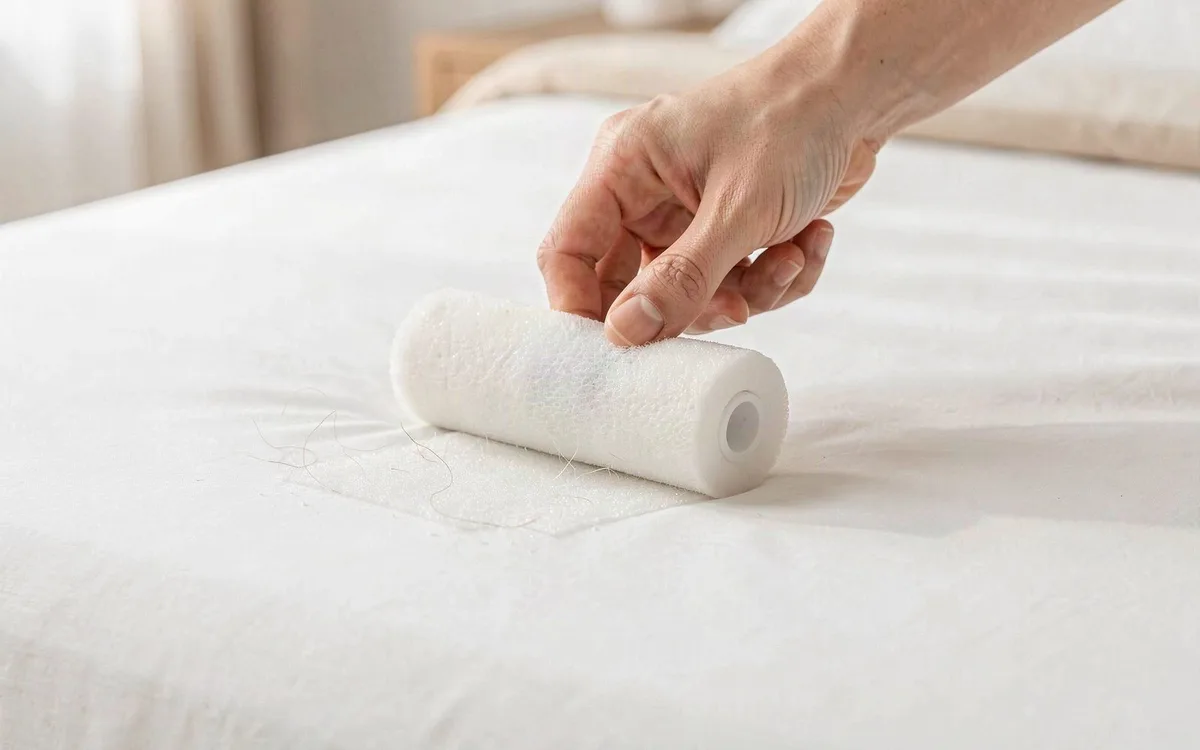
For cat hair on the surface of a down comforter, the basic method is to lift it off with a lint roller or packing tape, pressing lightly. Rubbing the fabric hard pushes hair deeper into the weave, so stroke gently in one direction for the cleanest result. If the cover comes off and is machine washable, a short tumble on a low-heat drying cycle can help loosen hair — but always check the care label before putting the comforter itself in a dryer. Day to day, the practical approach is to wash covers frequently so hair never settles directly on the comforter.
What to do if your cat has an accident on the comforter
If your cat urinates on the comforter, the first and most important step is to blot the moisture with a dry towel — never rub. Rubbing spreads the liquid and odor compounds deep into the fabric and into the down itself. As first aid you can dab the area with a warm, damp towel and then dry it thoroughly, but urine contains ammonia and protein compounds, so odor and yellowing tend to linger over time, and home treatment alone is often not enough.
If the liquid has soaked into the comforter itself, it's safest to consult a professional cleaner promptly. Cleaning a down comforter isn't like home laundry: it requires a process that lifts out soil and odor without damaging the down. We explain typical prices and when to send one in at Down comforter cleaning: typical costs, how often, and when to choose refurbishing instead — a helpful reference if you're unsure what to do after an accident.
Choosing a comforter when you live with cats
If cats are a long-term part of your household, it also helps to choose a comforter with a relatively sturdy shell fabric and to keep several covers on hand so you can rotate and launder them easily. Perfect prevention isn't realistic, but covering the comforter, staying on top of hair removal, and acting quickly after an accident — those three habits go a long way toward keeping a down comforter clean and usable for years.
Frequently asked questions
Can I repair a hole made by cat claws myself?
A small hole can be patched as a temporary fix, but if down keeps escaping or the damage covers a wide area, we recommend consulting a down comforter refurbishing or professional cleaning specialist.
Can a comforter with cat hair worked into it be washed?
The cover can be laundered as usual. If hair has worked into the comforter itself, check the care label to decide whether home washing or professional cleaning is appropriate.
Can professional cleaning remove urine odor completely?
It depends on how severe the soiling is and how long it has been there, but professional cleaning washes out soil and odor compounds without damaging the down, so you can expect better results than home treatment.
Should I avoid a down comforter if I have a cat?
Not necessarily. As long as you plan on using a protective cover and keeping up with regular care, a down comforter can stay clean and last for years.