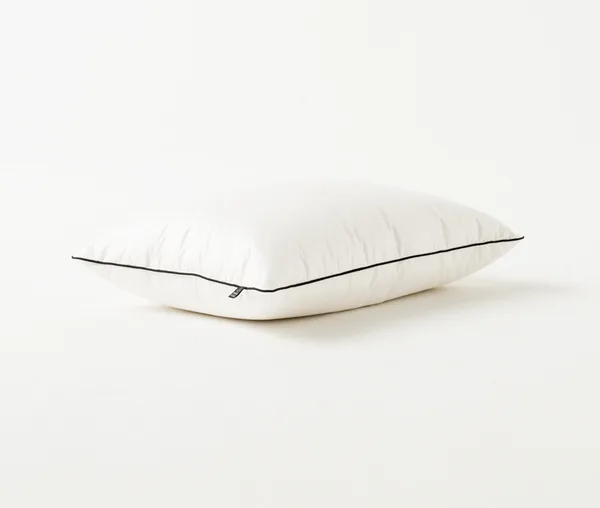
The answer in 30 seconds
- A down pillow must have a down cluster ratio of 51% or higherIf more than half the fill is feather, it is called a feather pillow and feels noticeably different.
- The upsides: warmth plus moisture absorption and releaseSoft, springy loft and a cloud-like feel are shared strengths as well.
- The downsides: hard to wash, and odorPoorly made pillows can also let feather quills poke through.
- A higher down cluster ratio isn't always betterPillows hold their shape better with a moderate amount of feather, so 70–90% is the sweet spot.
A down pillow is a pillow whose fill is at least 51% down (the soft plumage of waterfowl), prized for its warmth, moisture-wicking breathability and soft, cushioned feel. On the other hand, down pillows can be difficult to wash, and poor-quality versions may develop an odor or let feathers poke through. One point that often gets overlooked: unlike comforters, a pillow isn't necessarily better just because the down cluster ratio is higher. This article lays out the pros and cons, explains how to choose the right down cluster ratio, and covers what to do if you're concerned about allergies.
What is a down pillow? How it differs from a feather pillow
Down pillows and feather pillows are distinguished by the ratio of down (the fluffy clusters) to feathers (the pieces with quills) in the fill. A fill that is at least 51% down makes it a "down pillow," while a fill that is more than half feathers makes it a "feather pillow" — and the higher the feather content, the lumpier the pillow tends to feel. Since you can't tell by looking, the surest approach is to check the product label.
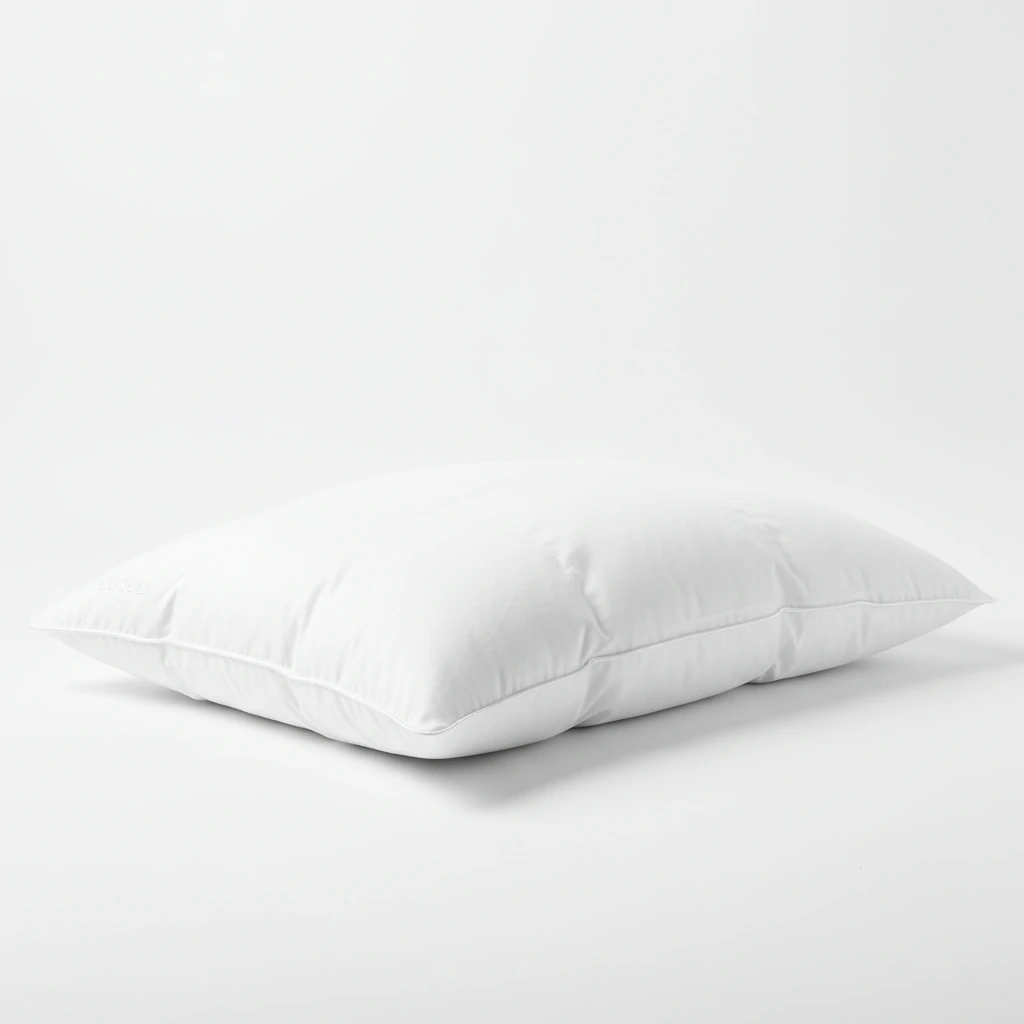
Benefits of a down pillow
High warmth, strong moisture absorption and release, and a soft, springy, cloud-like feel are the benefits shared by both down pillows and feather pillows. They are considered warm in winter and less stuffy in summer, and they are valued for letting heat and perspiration from your head escape naturally. Because the fill shifts in tiny increments, the pillow also conforms readily to the shape of your head.
Drawbacks of a down pillow
What's easy to overlook, though, is that many down pillows can't be washed, and poor-quality ones may retain the characteristic waterfowl odor or let feathers poke through. If you shop on price alone, these weaknesses often only become apparent once you start using the pillow. Checking the care label and the stitching of the shell fabric before you buy will give you peace of mind.
A higher down cluster ratio isn't always better
With a down comforter, a higher down cluster ratio generally means a higher grade — but pillows are a different story. A pillow keeps its loft and holds its shape better when it contains a reasonable proportion of feather. Hotel-style pillows often use a blend with a down cluster ratio of 70–90%, with a fill weight of roughly 700g–1,000g as a guideline. Above 90% down, the pillow tends to sink in more; at 50–70%, the feel tends to be somewhat firmer.
Matching your pillow to your sleep position
If you mostly sleep on your back, a pillow with a down cluster ratio of around 70–90% offers moderate resilience and tends to support the head well. If you sleep on your side, a higher down cluster ratio that sinks more deeply can help fill the gap at your shoulder. If you sleep on your stomach, a low to moderate down cluster ratio puts less pressure around your face and may make breathing feel easier.
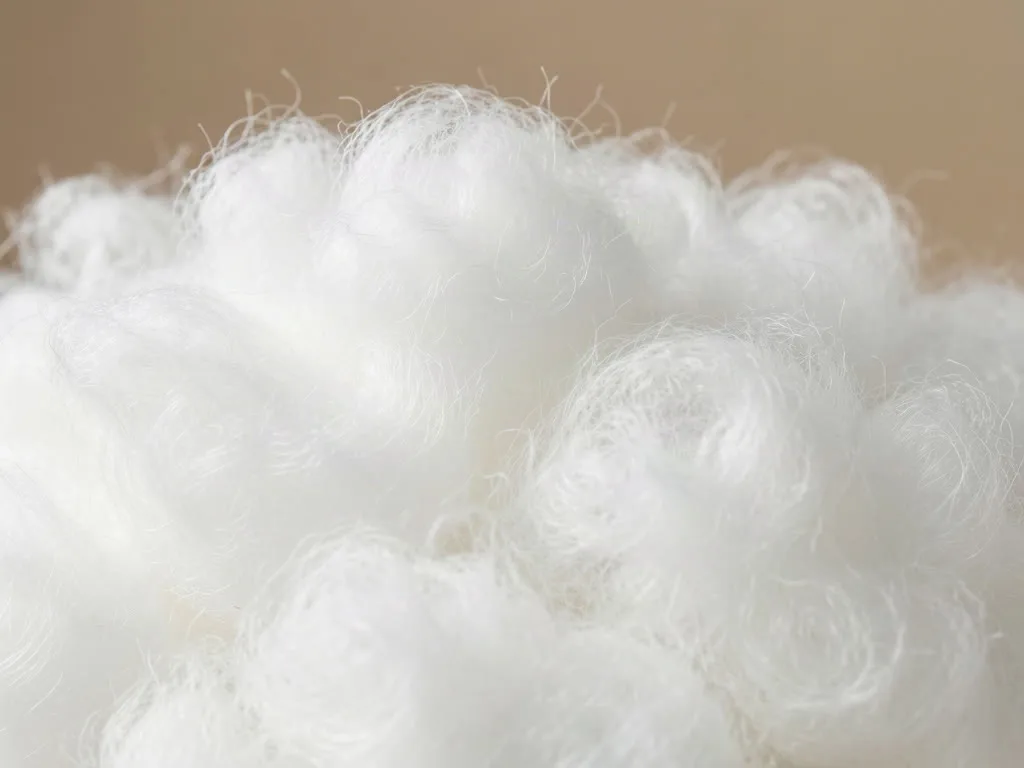
What to do if you're worried about allergies
Allergic reactions to down pillows generally have one of two causes. The first is dust mite debris and droppings, which is more likely with pillows that have been used for many years. The second is a reaction to the proteins in the down itself, which tends to show up when a pillow is brand new. If the latter concerns you, one step you can take is to choose a product made with white down washed to a high standard of cleanliness in Japan. If you're experiencing symptoms that worry you, don't rely on self-diagnosis — consider consulting a medical professional.
Care and washing basics
Caring for a down pillow starts with checking the care label to see whether it can be washed at all. If the materials are washable, launder the whole pillow roughly once every 1–3 months; if they aren't, make a habit of alternative care such as airing it in the sun or in the shade and changing the cover regularly to help keep it clean. For step-by-step instructions on washing at home and tips on drying, see our guide to washing down pillows.
Summary
Down pillows offer warmth, breathability and a wonderfully soft feel, but they also come with drawbacks such as being hard to wash and the potential for odor. A higher down cluster ratio isn't automatically better — around 70–90% is a good starting point, adjusted to your sleep position and how much sink you prefer. If allergies are a concern, it helps to work out whether the trigger is dust mites or down proteins before deciding on a solution. If you're looking for a pillow made with scrupulously clean down, take a look at the Clean Cycle Down Pillow.
Frequently asked questions
What's the difference between a down pillow and a feather pillow?
If the fill is at least 51% down, it's a down pillow; if more than half is feathers, it's a feather pillow. The higher the feather content, the lumpier the pillow tends to feel.
Does a higher down cluster ratio always mean a better pillow?
Not necessarily. A pillow holds its shape better with a reasonable proportion of feathers in the fill, and even hotel-grade pillows commonly use blends with a down cluster ratio of 70–90%.
Can I wash a down pillow at home?
It depends on the product. Check the care label to see whether washing is permitted; if the materials are washable, laundering the whole pillow roughly once every 1–3 months is recommended. See our related article for detailed instructions.
Can I use a down pillow if I have allergies?
There are two types of reaction: one caused by dust mites, and one caused by the proteins in down, which tends to appear when a pillow is brand new. If the latter concerns you, one option is to choose a product made with white down washed to a high standard of cleanliness in Japan. If you have symptoms that worry you, please consult a medical professional.
How often should a down pillow be cared for?
For washable materials, laundering the whole pillow about once every 1–3 months is a good guideline. Even if your pillow can't be washed, airing it in the sun or in the shade and changing the pillowcase frequently will help keep it clean.