The answer in 30 seconds
- Essential for protecting your mattressIt works as a moisture-absorbing layer that keeps perspiration and body oils from soaking straight into the mattress.
- Without one, expect yellowing and moldA mattress can't be fully washed, so built-up soiling leads to sagging and premature wear.
- The more you spend on a mattress or down comforter, the more it pays offIf you want your bedding to last, the protection a bed pad provides is well worth it.
- Cotton is the easy-care classicIt strikes a good balance between moisture absorption and durability in the wash, making it ideal for frequent laundering.
The short answer: a bed pad isn't just "nice to have" — without one, your mattress wears out faster, which makes it a genuine essential. We're said to lose close to a cupful of sweat in a single night, and when that moisture goes straight into the mattress it leads to mold, yellowing and sagging. A bed pad catches that sweat and body oil, acting as both a buffer and a moisture-absorbing layer that keeps your mattress clean and extends its life.
If you've invested in a quality mattress or down comforter, a bed pad can make a real difference to how long they last. Here's what a bed pad actually does, and the specific problems that tend to show up when you skip one.
What a bed pad does
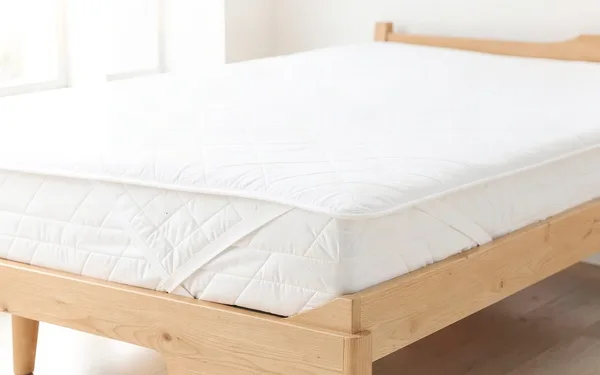
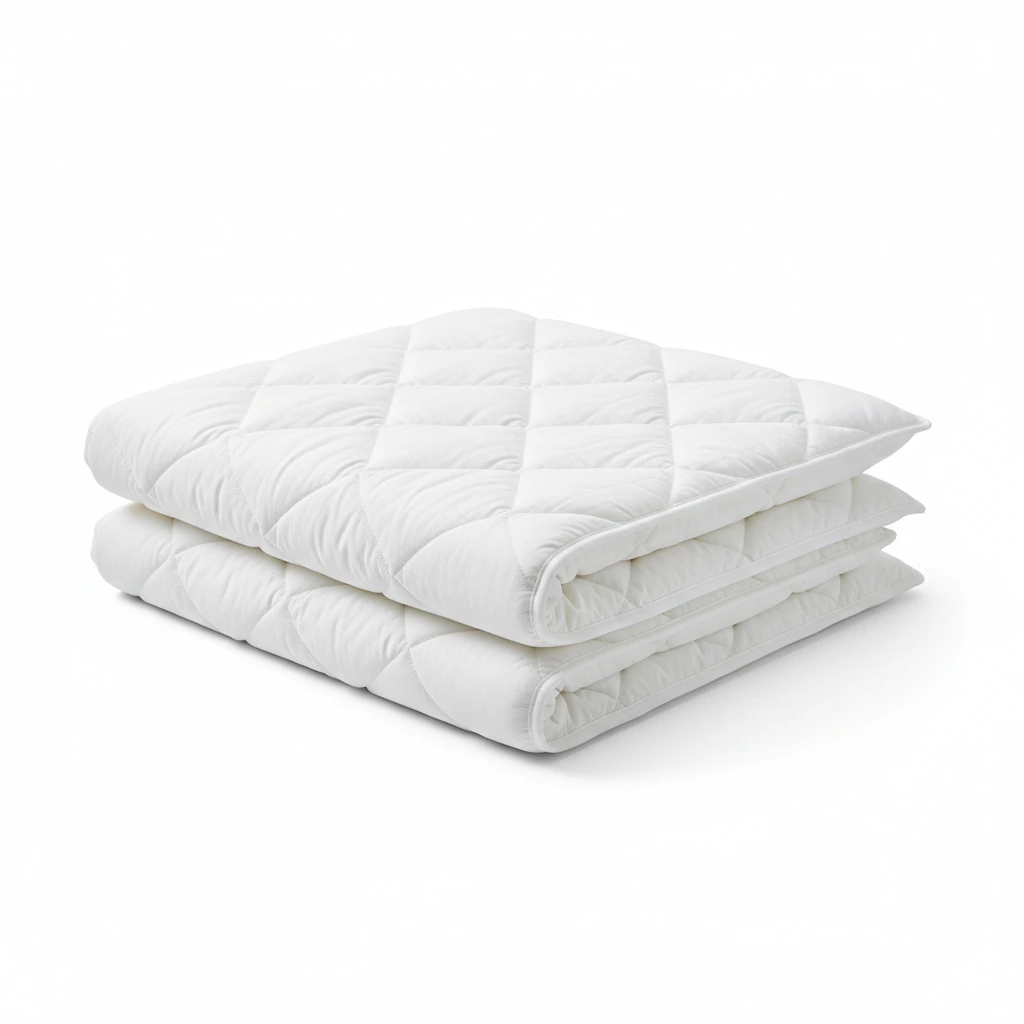
A bed pad is a thick layer of bedding that goes between your mattress and your sheet. Its job comes down to three things:
- Stops sweat and body oils from soaking into the mattress
- Fine-tunes comfort (for example, softening a mattress that feels too firm)
- Keeps your whole bed cleaner, since it's washed more often than sheets
A mattress can't be taken apart and washed. That's exactly why a bed pad matters — it acts as a shield that keeps sweat from reaching the mattress in the first place.
What happens if you don't use one
If you use a mattress with only a sheet over it, these problems become much more likely:
Sweat stains and yellowing
Sheets are thin and let perspiration pass straight through, so over time the mattress surface can start to yellow. Once stains soak in, the construction of a mattress usually makes it impossible to remove them completely by washing or professional cleaning.
An easy breeding ground for mold and dust mites
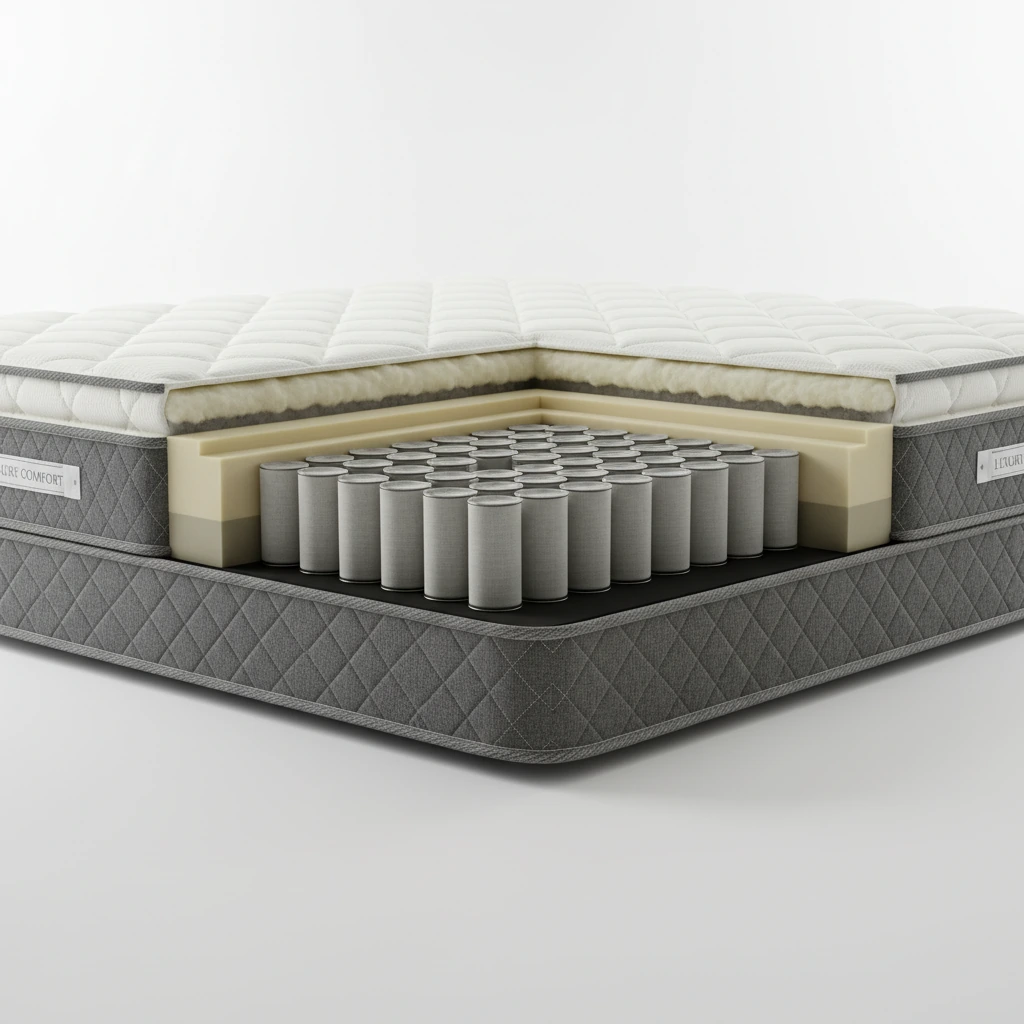
When moisture builds up inside a mattress, mold becomes more likely — especially with less breathable materials. Even mattresses designed for airflow, such as pocket coil models, still need separate moisture protection at the surface.
A shorter mattress lifespan
Deterioration from sweat and body oils leads directly to a less comfortable bed — sagging, rusted coils and more. The better the mattress, the more worthwhile it is to protect it with a bed pad.
Who needs one most
A bed pad is especially worth having if you fall into one of these groups:
- You perspire easily or are bothered by night sweats
- You own a high-quality mattress or down comforter
- You have allergies and want to keep your bedding clean
- You'd like to soften a mattress that feels a little too firm
On the other hand, if your mattress comes with a high-performance waterproof or moisture-wicking cover as standard, a bed pad is less essential. Even then, adding one washable layer is still a smart way to keep your bedding fresher between cleanings.
Choosing a material: the basics
If moisture absorption is your priority, cotton is the classic choice for a bed pad. Cotton absorbs perspiration without feeling clammy and stands up well to repeated washing, making it ideal if you want to launder your bedding often at home. Omotesando Futonten offers a 100% cotton bed pad, chosen by customers who want to protect a mattress or futon while keeping washing easy. For more on how absorbency varies by material and yarn count, see How to choose a cotton bed pad.
Using a bed pad with a fitted sheet
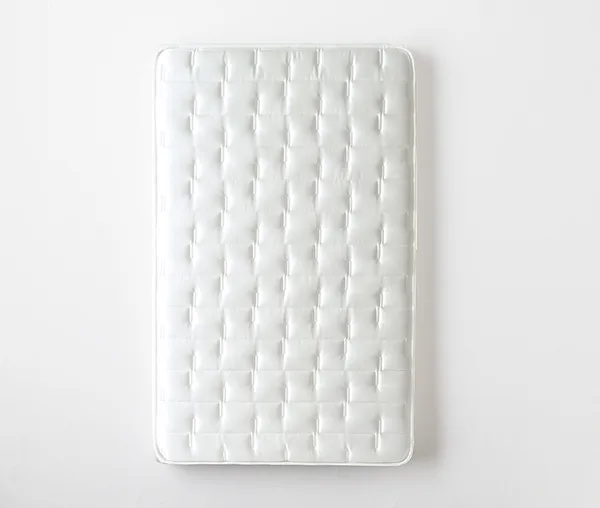
Rather than on its own, a bed pad is usually paired with a fitted sheet. The bed pad absorbs perspiration, while the fitted sheet takes care of how the bed feels against your skin and how it looks. For help choosing sheets, see Is 100% cotton best for fitted sheets? Benefits, yarn counts and how to choose. To keep your mattress comfortable for years, it's best to think of breathable construction — like the Silky Pocket Mattress — and moisture protection from a bed pad as a set.
Summary
You can certainly sleep without a bed pad — but going without tends to affect how clean your mattress stays and how long it lasts. If you want to get years out of a quality mattress or down comforter, that one extra layer cuts down a lot of day-to-day upkeep. Start with an easy-to-wash cotton pad and see the difference.
Frequently asked questions
Are a bed pad and a mattress topper pad the same thing?
In everyday use the two terms are largely interchangeable, though a thicker version is sometimes called a "bed pad" and a thinner one a "mattress pad." Either way, both are bedding layers designed to protect the mattress and absorb moisture.
How often should I wash a bed pad?
Because it absorbs perspiration, plan on washing it about once a week, just like your sheets. Most cotton pads are machine washable at home, so having one or two spares on hand makes rotation easy.
If my mattress already has a waterproof cover, do I still need a bed pad?
A waterproof cover usually doesn't absorb surface perspiration, so we recommend using a bed pad as well — both for comfort and for cleanliness.
Should I choose a thick or a thin pad?
Choose a thicker pad if you want to soften a firm mattress; choose a thinner one if moisture absorption and easy laundering matter most. Pick whichever suits the feel you prefer.