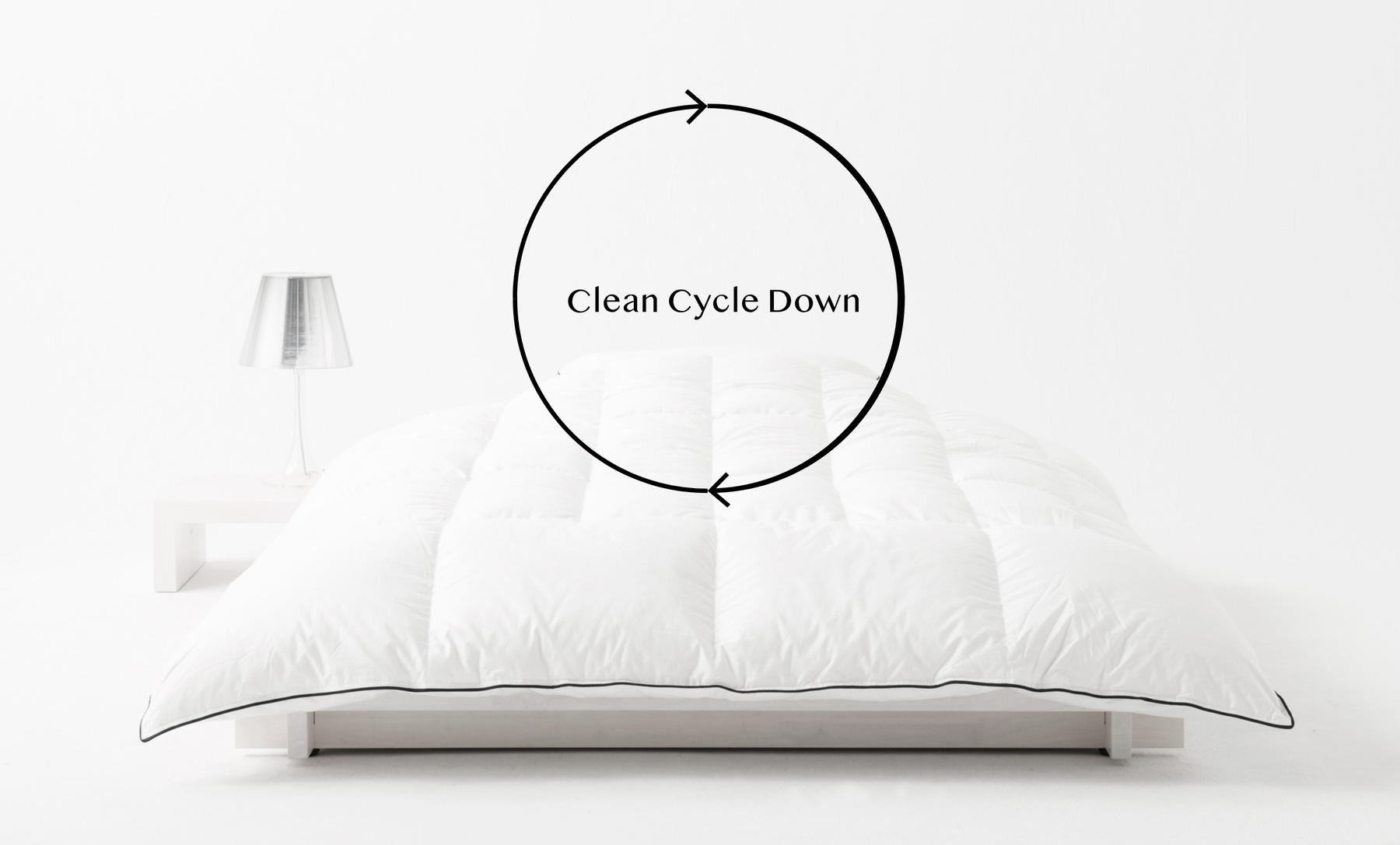
<What is Clean Cycle Down?>
We select only the highest-quality, best-performing recycled down from the supply circulating within Japan,
then wash it thoroughly in natural underground spring water from Hakushu, Yamanashi.
The result is a sustainable material born of an uncompromising approach to craftsmanship and beauty.
<Why recycled down?>
In 2022, Omotesando Futonten added recycled down to its lineup. Today, companies are expected to build sustainability into every part of their business, production included.
Several things matter if we are to pursue sustainability in the way we do business.
1. Making products that last.
2. Creating systems that let people keep using them for years.
3. Sourcing in a way that can be sustained over the long term.
“1” and “2” are things we have been working on all along.
What no one in the down industry can avoid is how we face “3”. Unlike wool from sheep or alpaca, sourcing down involves the killing of geese and ducks. Sourcing down in large volumes means a loop of raising and killing large numbers of birds.
As a company that works with down, we began offering recycled down in order to reduce the burden of this loop. We source down already circulating in Japan, wash it thoroughly, and give it a second life as recycled down.
Demand for recycled down depends very much on the values of the person buying. Many Omotesando Futonten customers, however, know fashion and design well, and a great many of them are looking for sustainable products. Those customers share our commitment, and they choose recycled-down down comforters (duvets).
So let us walk you through how Omotesando Futonten’s exquisitely clean recycled down, “Clean Cycle Down,” is made.
<How Clean Cycle Down is made>
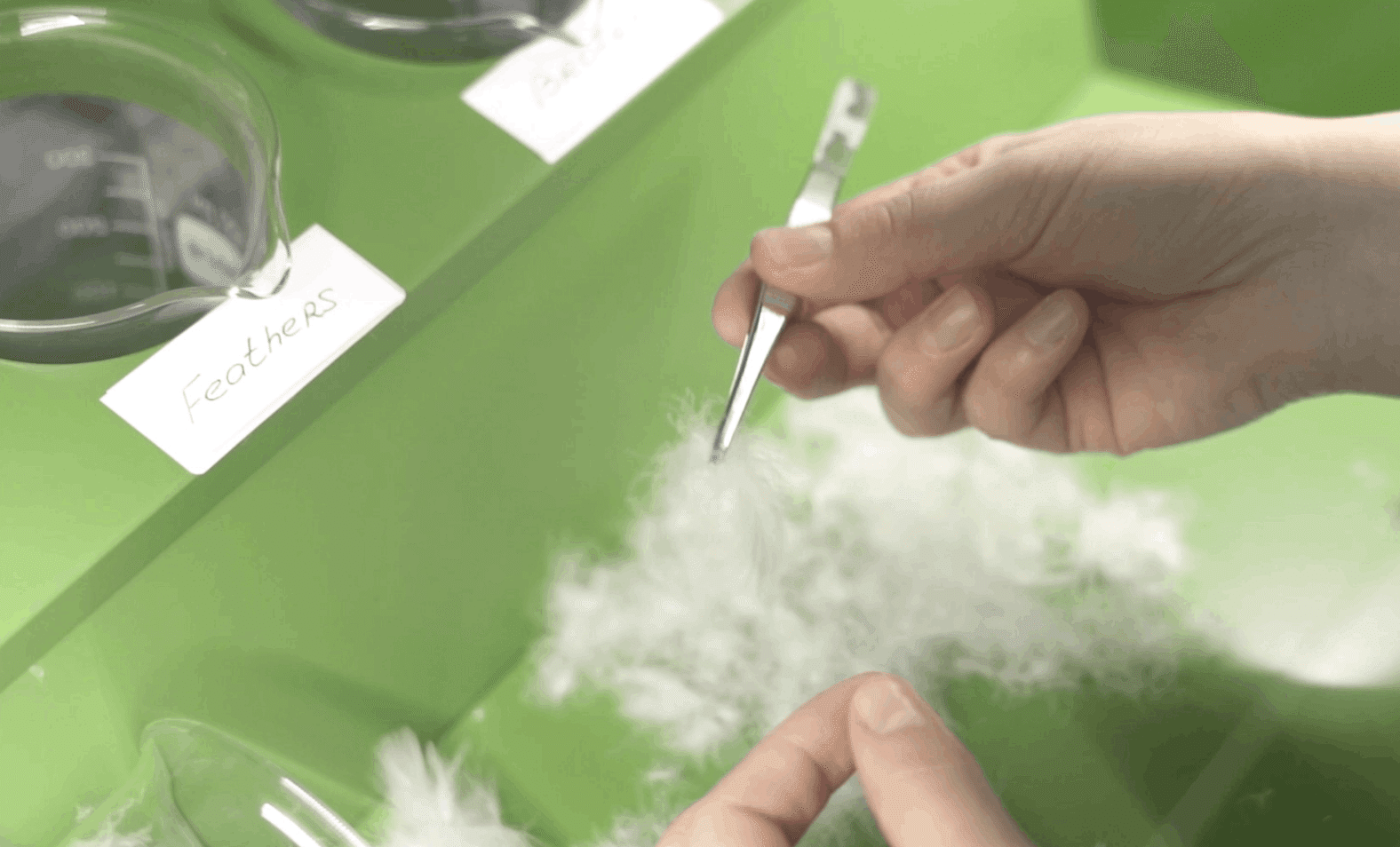
Down sorting
Precisely because it is recycled down, careful sorting gives it potential that surpasses new down.
The most important step in bringing recycled down back to the level of high-quality new down is carefully selecting only the finest clusters. We remove excess feathers and down that cannot be restored, sorting until the material can deliver high fill power.
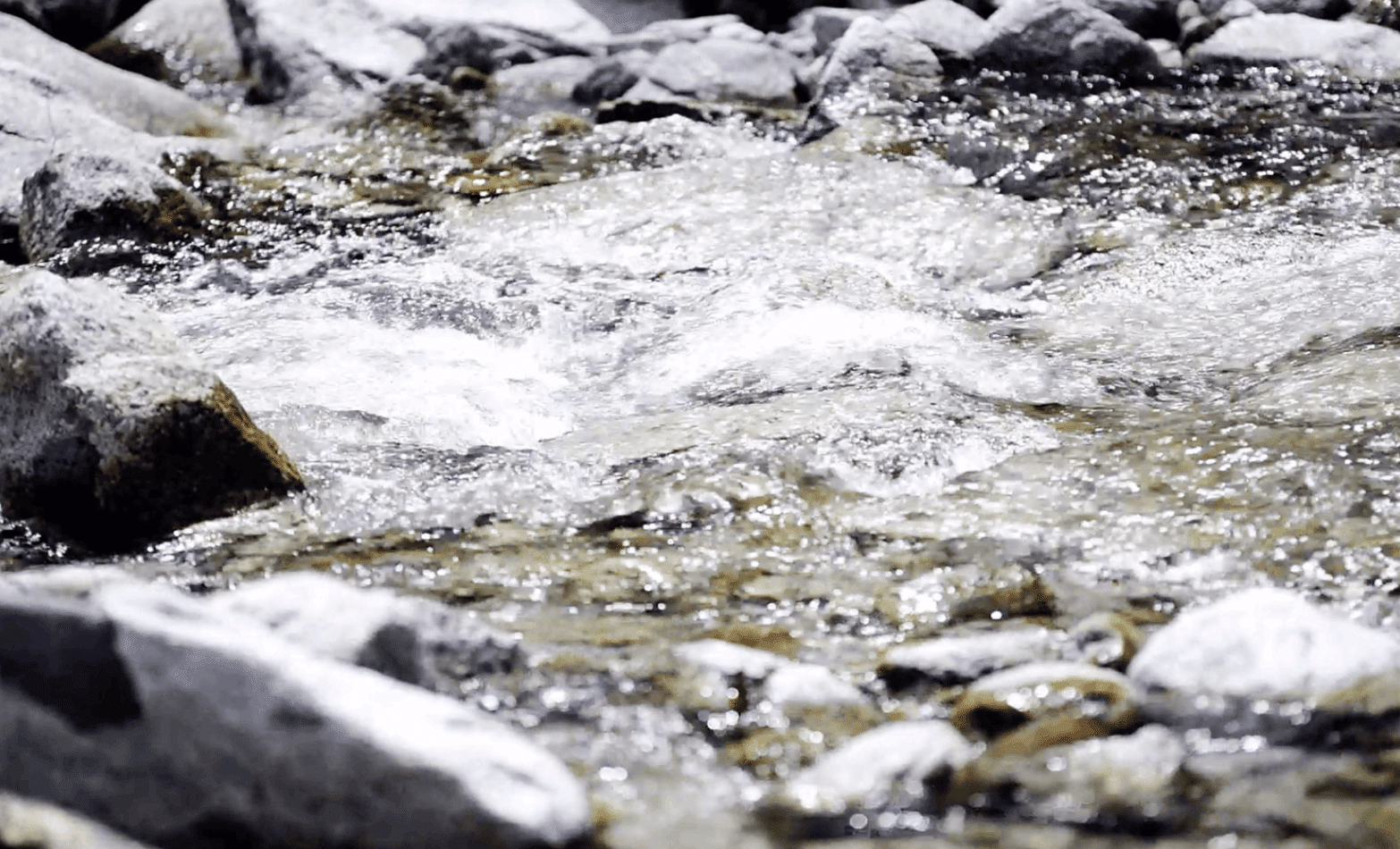
The Hakushu river beside our down washing plant
The quality of down is the quality of the water.
How down is washed — and the water it is washed in — can improve its quality many times over. We chose natural underground spring water from Hakushu, Yamanashi, the same water used in sake brewing, and polish every cluster thoroughly without using detergent.
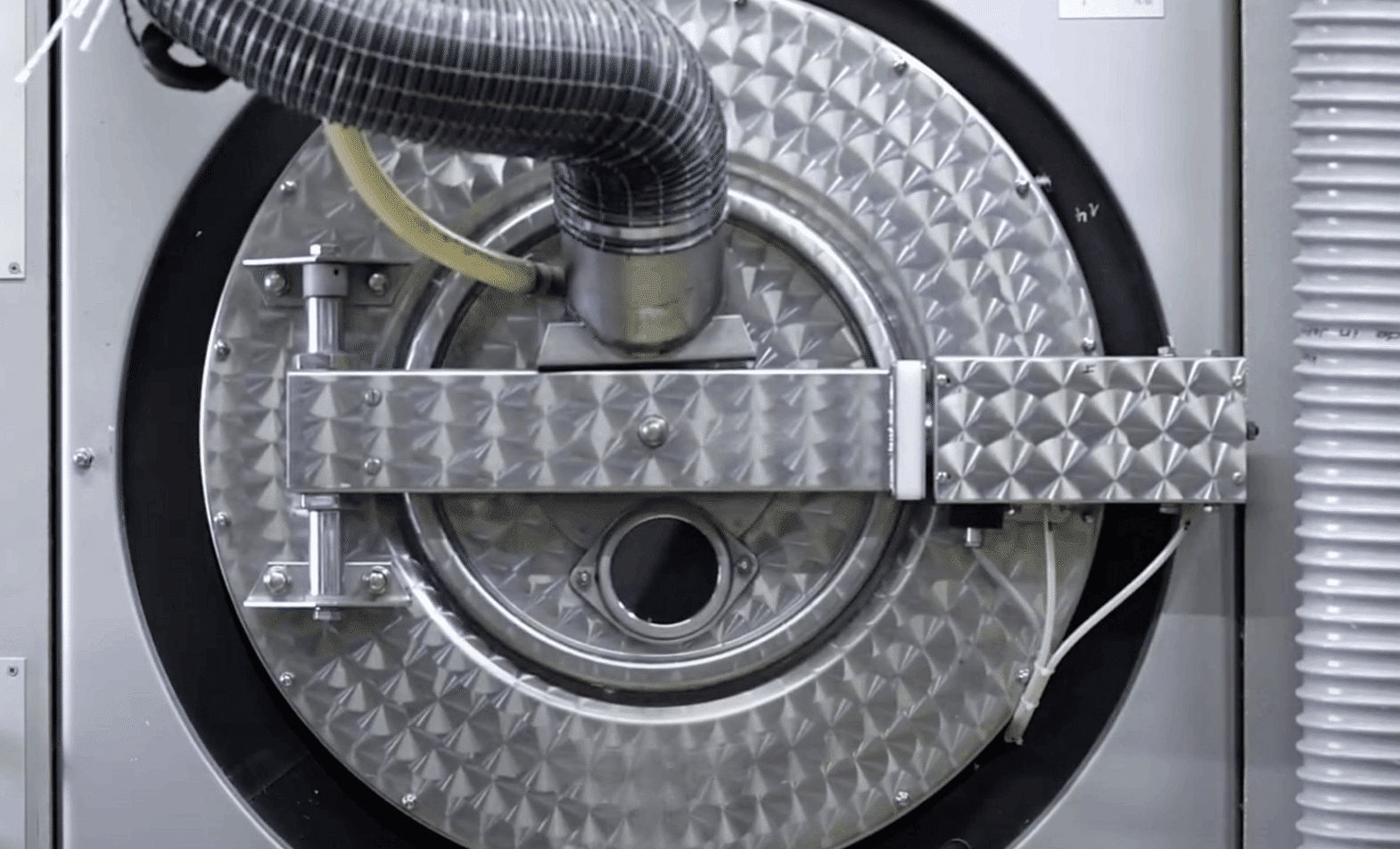
Down washing machine
Washed thoroughly — to twice the Japanese national standard.
At our down washing plant in Hakushu, we wash the down until it is twice as clean as the JIS standard requires. Removing invisible fine debris and leftover soap residue restores the fill power and luster of new down.
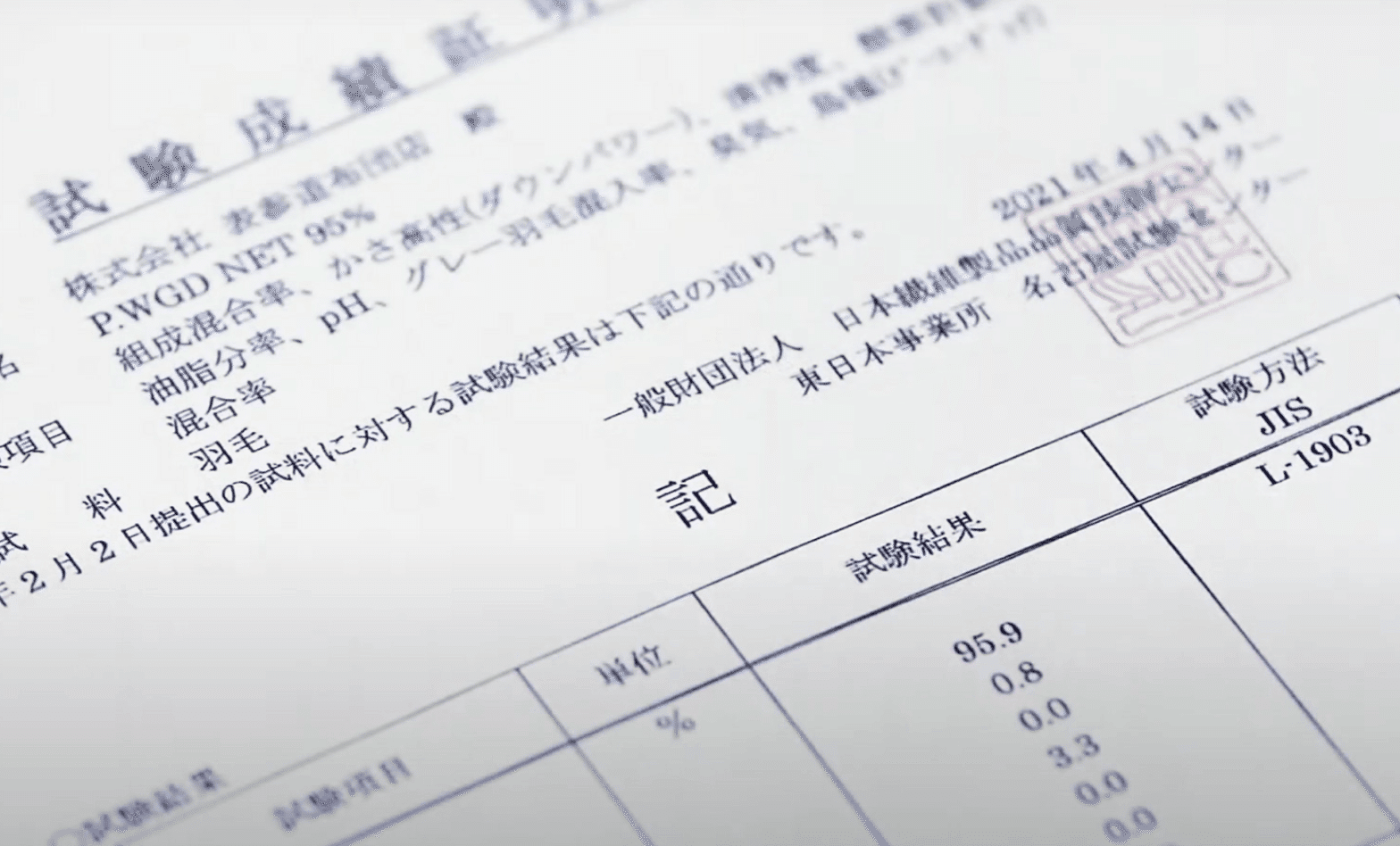
Test report
Taking responsibility for quality means having it tested by an independent third party.
Shoppers have no way of judging the down sealed inside a comforter, which is why down comforters are often called a product with low quality transparency. That is exactly why we have our down tested by a specialized institution in Japan and publish the results at all times. Being clean about quality is, we believe, the responsibility of anyone who makes things.
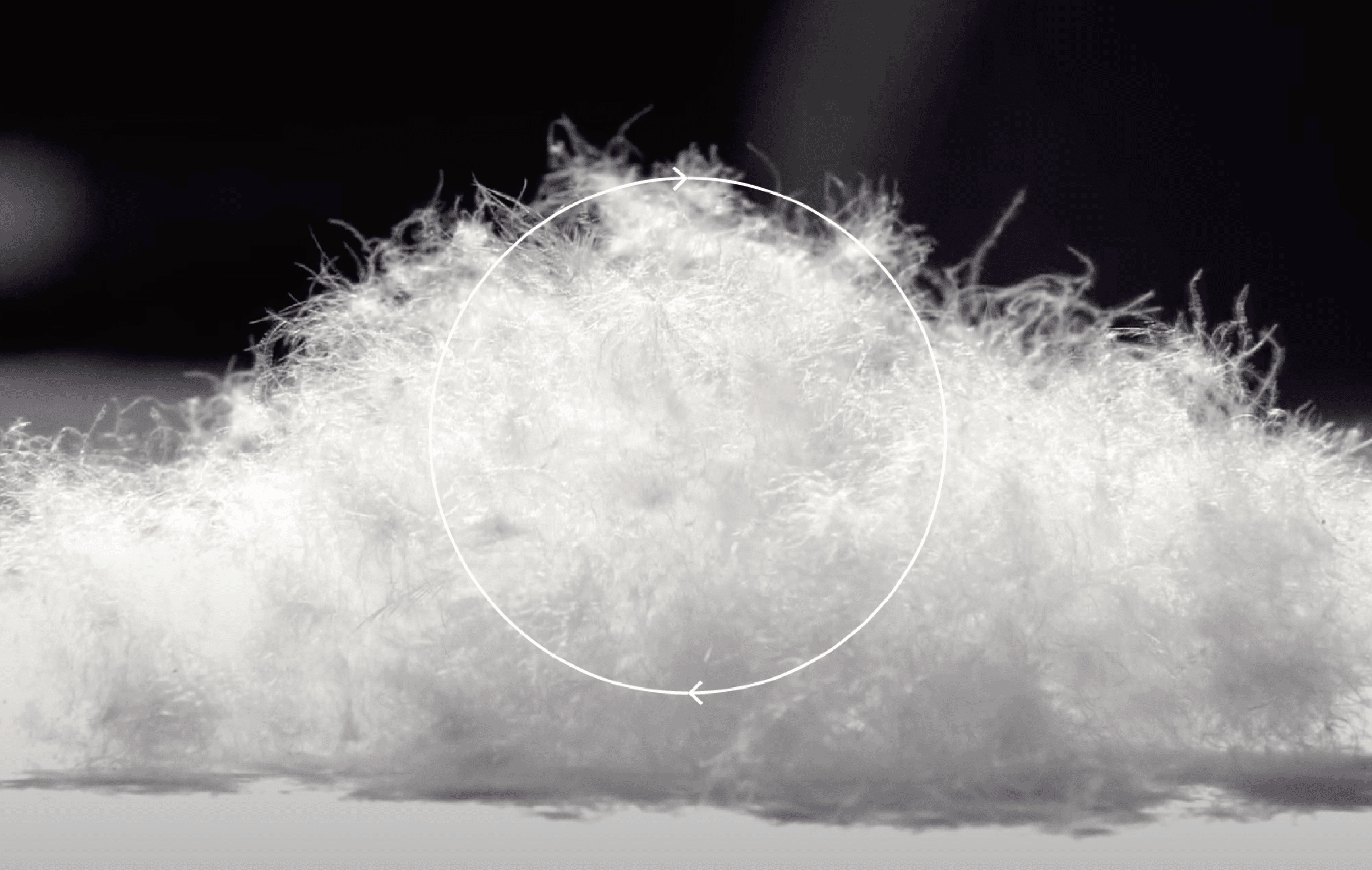
The finished down
The result is down that is utterly clean — for our customers and for the environment.
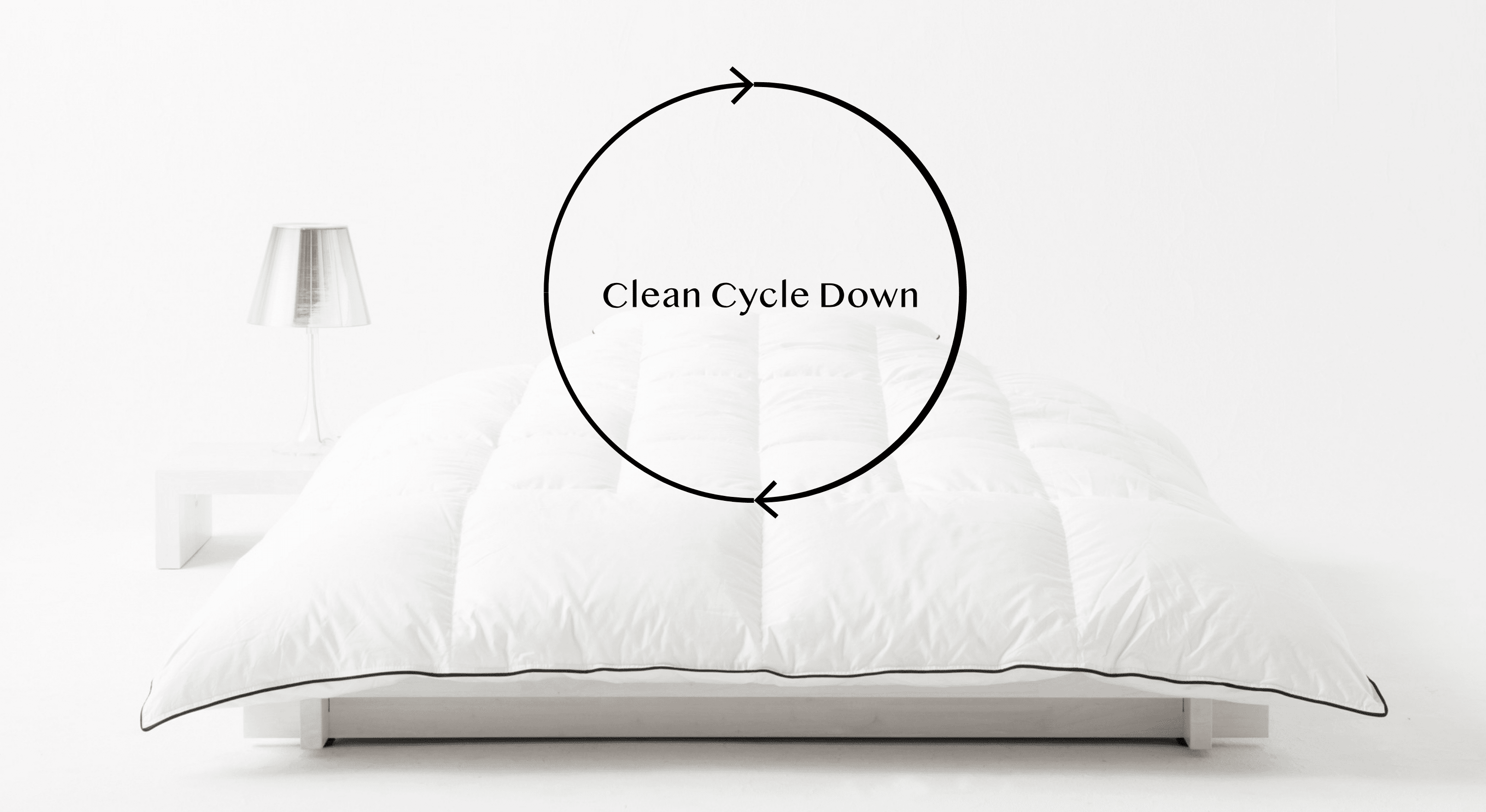
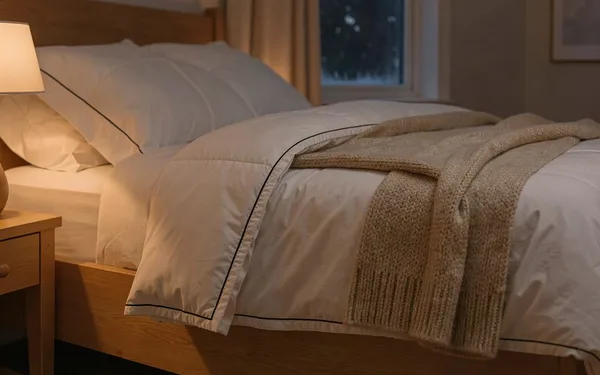
Clean Cycle Down winter-weight comforter
This is the recycled down we created: “Clean Cycle Down.”
The quality of the down is no different from brand-new down.
Every few years, you can also use Omotesando Futonten's "Clean Cycle Refurbishing" service to bring a down comforter you've slept under for years back to like-new condition.
If you're looking for a sustainable down product, we invite you to consider Clean Cycle Down.
Shop the product here.
Read the Casa Brutus article on Clean Cycle Down here →
For high-quality Japanese-made premium down comforters (duvets), choose Omotesando Futonten