| What you'll learn in this article
・How to check whether your summer down comforter can be washed at home ・When to use home washing, a laundromat (self-service laundry) or professional cleaning ・The right way to dry it (and why leaving it damp is a bad idea) ・How to store it after washing and care during the off-season |
"Can I wash a summer down comforter?" "I'm worried the down will shift to one side." — summer is the sweatiest season, so many people want to wash their summer down comforter to keep it fresh and clean.
The short answer: some summer down comforters are washable and some are not. Check the care label and use the correct method. In this article we walk you through the washing steps, the points to watch and how to dry it properly.
First, check: can your down blanket be washed?
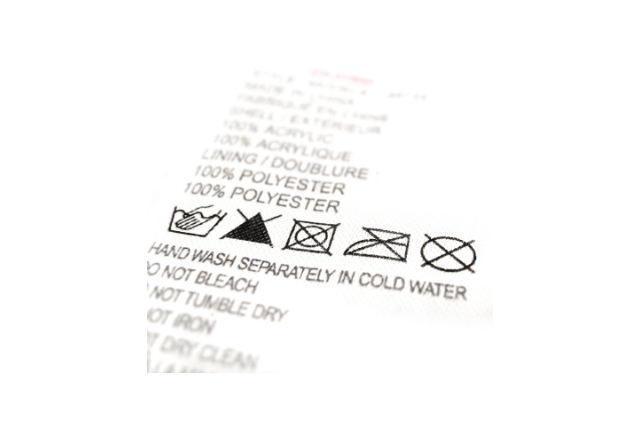
Check the care label
Always check the care label attached to your summer down comforter (summer-weight comforter).
| Symbol | Meaning | What to do |
| Tub with a number (e.g., 40) | Washable at or below the temperature shown | Can be washed at a laundromat or at home |
| Tub with a hand symbol | Hand wash only | Use the hand-wash (delicate) cycle at a laundromat |
| Tub with an X | Do not wash | Take it to a professional cleaning specialist |
| Professional cleaning (○○) | Instructions for the cleaning method | Clean using the specified method |
| High-quality goose and mother goose down pieces are often labeled do-not-wash
High-quality down blankets (90% or more goose down or mother goose down) can clump or lose their loft when washed at home, as the down clusters may become misshapen. If the care label shows an X, always have the piece professionally cleaned. See /blog/12159/ for full details on professional cleaning and down comforter refurbishing. |
How to wash it, method by method
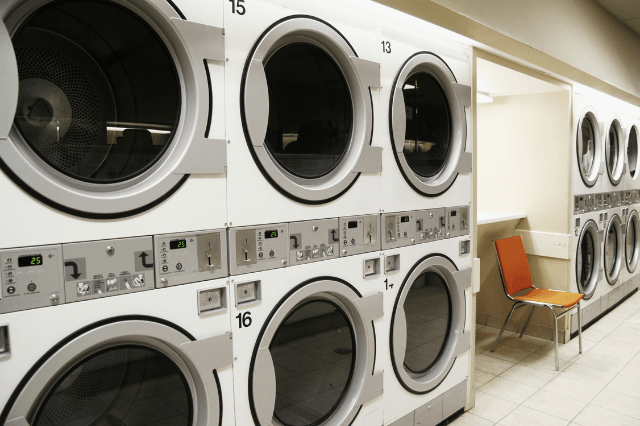
Method 1: Washing at a laundromat (recommended)
The large-capacity machines at a laundromat wash a down blanket evenly, so the results are often better than with a home washing machine.
For the step-by-step process, typical costs, and the pitfalls to avoid when washing a comforter at a laundromat, see our complete guide to washing a comforter at the laundromat.
- Machine size needed: 12–14 kg or larger for Single, 18–20 kg or larger for Double
- Cycle: select the blanket or bulky-items cycle
- Water temperature: 30°C or below (a temperature that won't damage the down)
- Detergent: a mild (neutral) detergent or a down-specific detergent (no fabric softener needed)
- Spin: short setting (30 seconds to 1 minute)
- Drying: 60–90 minutes in a large dryer (drying it completely is essential)
Method 2: Washing in your home washing machine
If the care label shows the washtub symbol, you can also wash it in a large home washing machine (7 kg or larger recommended).
- Close all zippers and buttons
- Leave room in the drum (don't overpack it)
- Cycle: select the delicate or hand-wash cycle
- Water temperature: 30°C or below
- Detergent: a mild (neutral) detergent (a down-specific formula is recommended)
- Spin cycle: shortest setting
- Drying: tumble dryer, or air-dry outdoors and fluff by hand
| Front-loading washing machines are well suited to washing down comforters. With a top-loader, the comforter has a hard time absorbing water evenly, so we recommend using a laundromat instead. |
Method 3: Professional cleaning (for high-quality or do-not-wash items)
For goose down or mother goose down pieces, and for any down blanket whose care label shows an ✕, always use a professional cleaning service.
- Price guide: roughly ¥3,000–¥8,000 for a Single
- Turnaround: 1–3 weeks
- Recommended frequency: once every 2–3 years
Most Important: How to Dry It Properly
Why You Should Never Leave It Damp
Leaving a down blanket even slightly damp can lead to mold and odors. And once down clumps together while wet, it may never return to its original loft.
Drying in a Dryer (Recommended)
- Dryer temperature: low to medium (60–70°C)
- Time guide: 60–90 minutes for a Single
- Fluff partway through: take it out after 30 minutes and loosen the down by hand
- Adding 2–3 tennis balls helps break up clumps of down
- Check that it's bone dry: feel all the way to the center to confirm it's dry
Air-Drying Outdoors
- Keep it out of direct sunlight — drying in the shade is the rule (strong sun damages high-quality down)
- Air it out for several hours in a well-ventilated spot
- Turn it over and shift its position partway through so it dries evenly
- Once dry, fluff by hand to redistribute the down evenly
How to Store It After Washing
Off-Season Storage
- Confirm it's completely dry (never store it even slightly damp)
- Store it in a breathable non-woven storage bag or case
- Don't use vacuum storage bags (the down clusters get crushed and won't bounce back)
- Store away from humidity, heat and direct sunlight
- A well-ventilated spot, such as the upper shelf of a closet, is ideal
Frequently Asked Questions
- The down in my down ket (lightweight summer down blanket) clumped up after washing. What should I do?
- Try running it through the dryer on low with 2–3 tennis balls for 30–60 minutes; this often loosens the down again. If the clumps won't come out, we recommend taking it to a professional cleaner.
- How often should I wash a down ket?
- Twice a year is a good guide: at the start of the season (spring) and at the end (fall). While you're using it through the summer, washing the duvet cover once a week keeps the comforter itself clean. For high-quality goose down and mother goose down pieces, professional cleaning once every 2–3 years is the standard.
- What should I do if my down ket smells after washing?
- First, make sure it is completely dry. If it's that damp, musty smell, another run in the dryer usually takes care of it. If the odor remains, it may be trapped deep in the down, in which case we recommend professional cleaning.
Summary
- Check the care label first (if it shows an ✕, go to a professional cleaner)
- A large laundromat washer is the best option (12 kg or larger, 30°C or below)
- Drying it completely in the dryer matters most (never leave it damp)
- Take high-quality goose down and mother goose down pieces to a professional cleaner (once every 2–3 years)
- Store in a breathable case, never a vacuum storage bag
| ▶ See the full list of Omotesando Futonten services |
Common questions about summer-weight and light comforters
What's the difference between a “summer-weight comforter,” a “light comforter” and a “down blanket”?
“Summer-weight comforter,” “light comforter” and “down blanket” are all names for the same thing: a thin down comforter for summer use. There's no major difference in construction or materials. That means the basics of washing are identical across all three — check the care label, keep the water at 30°C or below, and dry it completely. Whatever it's called, start by checking the care label on the tag, then choose your washing method.
Washing comforters made with premium down, such as extra down
Even with comforters filled with premium down — extra down, goose down or mother goose down — the first step is always to check the care label. If the tub symbol is crossed out, skip home machine washing and the laundromat, and use a professional cleaning service instead. The finer the down, the more easily the down clusters break down, and once they do, they rarely recover — so take care.
If you're not sure which water temperature to set at the laundromat
Some laundromat machines let you choose the water temperature by number, while others only have "hot" and "cold" buttons. If numbers are shown, choose 30°C or below; if not, select the cold-water or cool cycle to minimize damage to the down. Operation varies by machine, so if you're unsure, check the instructions posted in the store or ask a staff member.