The answer in 30 seconds
- A feather comforter is filled mainly with feathersIt refers to a comforter with a down cluster ratio of roughly under 50%, meaning more feather than down
- The dividing line with a down comforter is a 50% down cluster ratioIf the quality label shows a down cluster ratio of 50% or more, it's generally called a down comforter
- Differences in weight, warmth and priceFeather-dominant fill is less insulating than down, so it tends to be heavier to reach the same warmth
- To tell them apart, check the quality labelJudge by the down cluster ratio (%) on the quality label, not by the product name
A feather comforter is one whose fill is mainly feather, with a down content of roughly under 50%. What is generally called a down comforter, on the other hand, has a down cluster ratio of 50% or more. They may look alike and sound alike, but there are clear differences in warmth, weight and price.
What is a feather comforter?
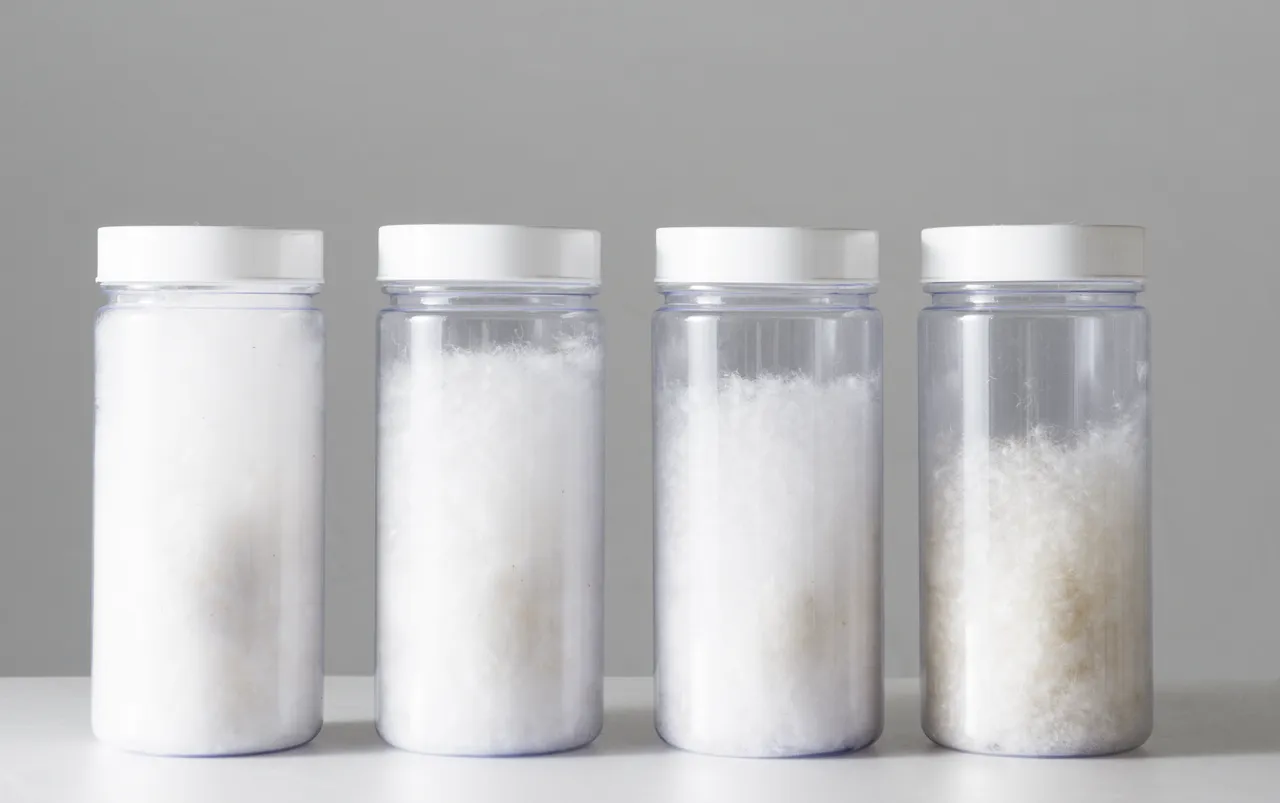
The waterfowl fill inside a comforter consists of two main components: down and feather. Down has no quill and looks like a dandelion puff; it traps a lot of air, which makes it highly insulating. Feather, by contrast, has a stiff central quill, so it forms fewer air pockets and insulates less effectively than down.
"Feather comforter" is the term used for a comforter with a high proportion of feather — in other words, a low down cluster ratio. There is no strict legal definition, but quality labeling under Japan's Household Goods Quality Labeling Act shows the down cluster ratio as a percentage, and that figure is a useful benchmark for deciding whether a comforter is a feather comforter or a down comforter.
Feather comforter vs. down comforter: the differences
The differences show up mainly in these four areas.
| Feather comforter (down cluster ratio under 50%) | Down comforter (down cluster ratio 50% or more) | |
|---|---|---|
| Warmth | Relatively modest | Light yet warm |
| Weight | Tends to feel somewhat heavy | Lightweight |
| Price range | Easy on the budget | Varies with quality |
| Typical uses | Basic comforters, commercial and hospitality use, etc. | The main comforter for home use |
Because feather has a quill, it resists crushing but doesn't loft as softly as down at the same weight. Feather comforters therefore need a higher fill weight to make up for the lower insulation, which tends to make the comforter itself heavier. If you'd like to know more about what a down comforter is, including the difference between goose and duck, also see What is a down comforter? Goose vs. duck, down cluster ratio and fill power explained in depth by a specialty store.
How to tell them apart | Check the down cluster ratio on the quality label
The surest way to tell a feather comforter from a down comforter is to check the "down cluster ratio" on the quality label attached to the product. A label reading "Down 93% / Feather 7%" indicates a down comforter, while "Down 30% / Feather 70%" indicates a product closer to a feather comforter. Even if the packaging says "down comforter," a low down cluster ratio means the fill is effectively closer to a feather comforter — so make a habit of checking the numbers on the label, not just the name.
Which one should you choose?
Feather-filled comforters aren't automatically inferior: they breathe well, trap less humidity, and cost less. That said, if you're looking for the lightest, warmest comforter possible, or a serious comforter you can use for years, a down comforter with a high down cluster ratio will usually leave you more satisfied. For how to choose by price range and how to judge quality, see Best Down Comforters (2026 Edition): How to Choose and Rankings by Price Range, from a Specialist Store.
If you'd like a closer look at how to read quality labels, How to Read a Down Comforter Quality Label: Gold Label Grades and Real-World Quality and What Is Down Cluster Ratio? A Clear Guide to This Down Comforter Quality Measure are both good starting points. For an overview of comforter types in general, see What Types of Comforters Are There? Down, Cotton, Wool and Synthetic Compared.
At Omotesando Futonten, every down comforter we carry states its down cluster ratio and fill power. We hope this helps you understand the materials and choose the right comforter for your season and lifestyle.
Frequently asked questions
Is there a clear dividing line between a "feather comforter" and a "down comforter"?
There's no strict legal definition, but the common rule of thumb on quality labels is a down cluster ratio of 50%: 50% or more is called a down comforter, and less than that is treated as a feather comforter.
Can a feather comforter be used in winter?
Yes, but compared with a down comforter it generally needs more weight to deliver the same warmth, so if you want both lightness and warmth, a down comforter is the better choice.
If the package says "down comforter," can I trust it?
We recommend checking more than the name: look at the down cluster ratio printed on the quality label. If the figure is low, the comforter may in fact be mostly feather.
Does a higher down cluster ratio always mean a better comforter?
Down cluster ratio is one measure of quality, but fill power, the shell fabric and the stitching also affect warmth and durability. It's important to look at the whole picture.
Down vs. feather: which is considered the premium fill?
Down is generally regarded as the premium fill. Down clusters have no quill, so their soft, three-dimensional structure traps a lot of air and delivers high warmth even at a low fill weight. Feathers, by contrast, have a quill and resist crushing, but you need far more of them to reach the same warmth. That's why, on quality labels too, comforters with a higher down cluster ratio tend to be treated as the finer product. Still, not all down is high quality — it's important to also check fill power (loft), origin and the quality of the shell fabric.
"Feathers," "down" and "feather": what the terms really mean
In Japanese, "hane" (feathers) is an umbrella term covering both the down and the feathers taken from waterfowl. "Down" refers only to the light, warm, dandelion-like clusters, while "feather" refers to the stiffer plumage with a central quill. Even when a product is called a down comforter, you can't tell whether the fill is mostly down or mostly feather without checking the down cluster ratio on the quality label. Names such as "feather comforter" are, in practice, used for comforters with a high proportion of feather, so rather than focusing on the name, it's easier to judge by the down cluster ratio figure.