The answer in 30 seconds
- Fill power is the heart of warmthHigh fill power of around 400 and above delivers warmth even with a lighter fill weight
- Too much fill weight feels heavy and stuffyThe right amount depends on how it balances with fill power
- Shell fabric density matters tooA tightly woven shell fabric and the quilting pattern hold the insulating air layer in place
- Don't forget insulation underneath youGo beyond the comforter — a mattress pad helps block the chill rising from below
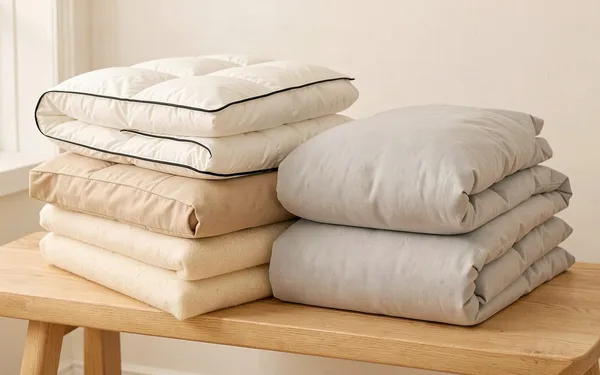
When choosing a warm comforter, there are five things to look at: fill power, fill weight, shell fabric and quilt construction, how you layer your bedding, and insulation underneath you. These work together rather than in isolation, so even if one is excellent, warmth will plateau if the others don't keep up. As the cold season approaches, the quickest route is to review your bedding with a winter-weight comforter as the starting point.
Fill power: the first measure of warmth
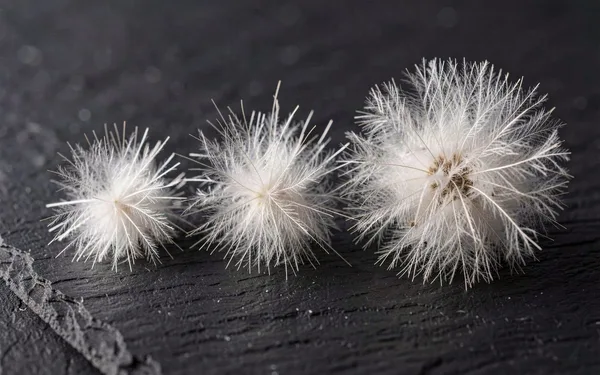
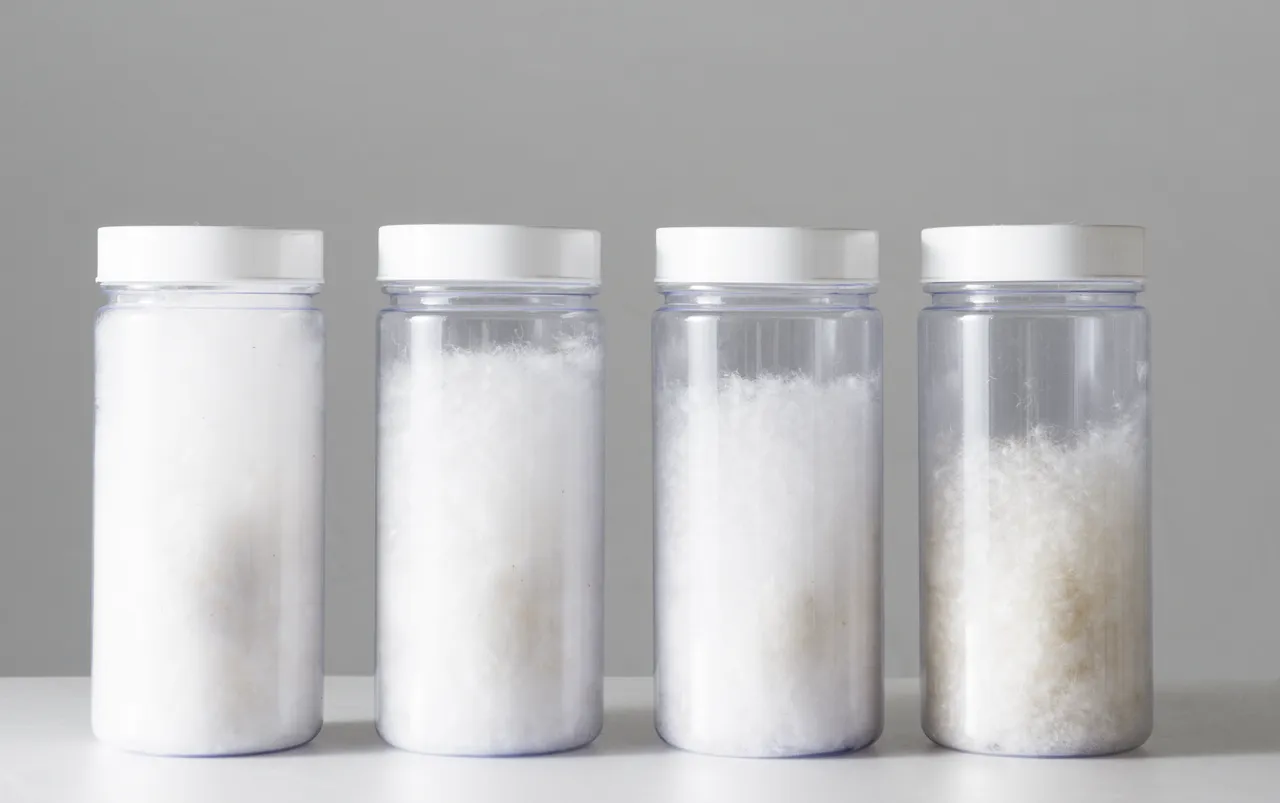
Fill power (Japanese dp) indicates the volume that one ounce of down lofts to — the higher the number, the more air the down traps, and the better it insulates. On the market you'll find everything from around 350 to 440 and above, and anything over 400 is generally considered the premium tier, making it easier to be both light and warm. Because high fill power down lofts beautifully even with less fill weight, it also allows the comforter itself to be finished lighter.
More fill weight isn't automatically better
Fill weight refers to the weight of the down in grams (g). Pack in a large amount of low fill power down, however, and you tend to get a comforter that's heavy and traps humidity. For a winter-weight comforter, around 1.2kg in Single size is often cited as a guideline, but with high fill power down you can get plenty of warmth from somewhat less fill. The key is to always check fill weight and fill power together. For more on weight guidelines, see Down comforter weight and fill weight guidelines.
Shell fabric and quilt construction also shape warmth
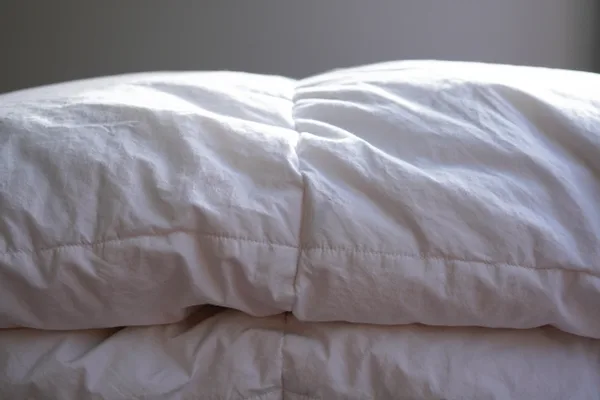
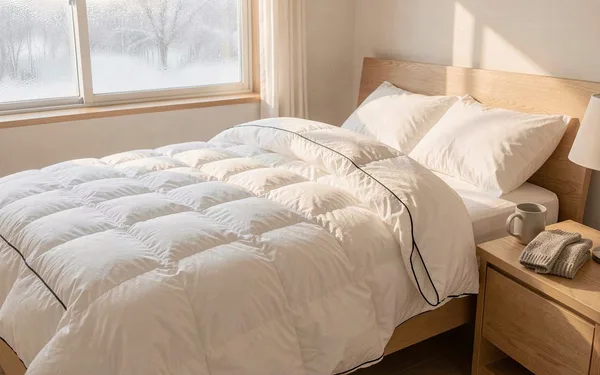
No matter how good the down is, a loosely woven shell fabric lets warmed air escape. A tightly woven shell keeps the down from working its way out while helping to hold the insulating air layer in place. Box quilting is another smart touch: it keeps the down from shifting to one side, so warmth stays even across the whole comforter.
Winter-weight comforter options by grade
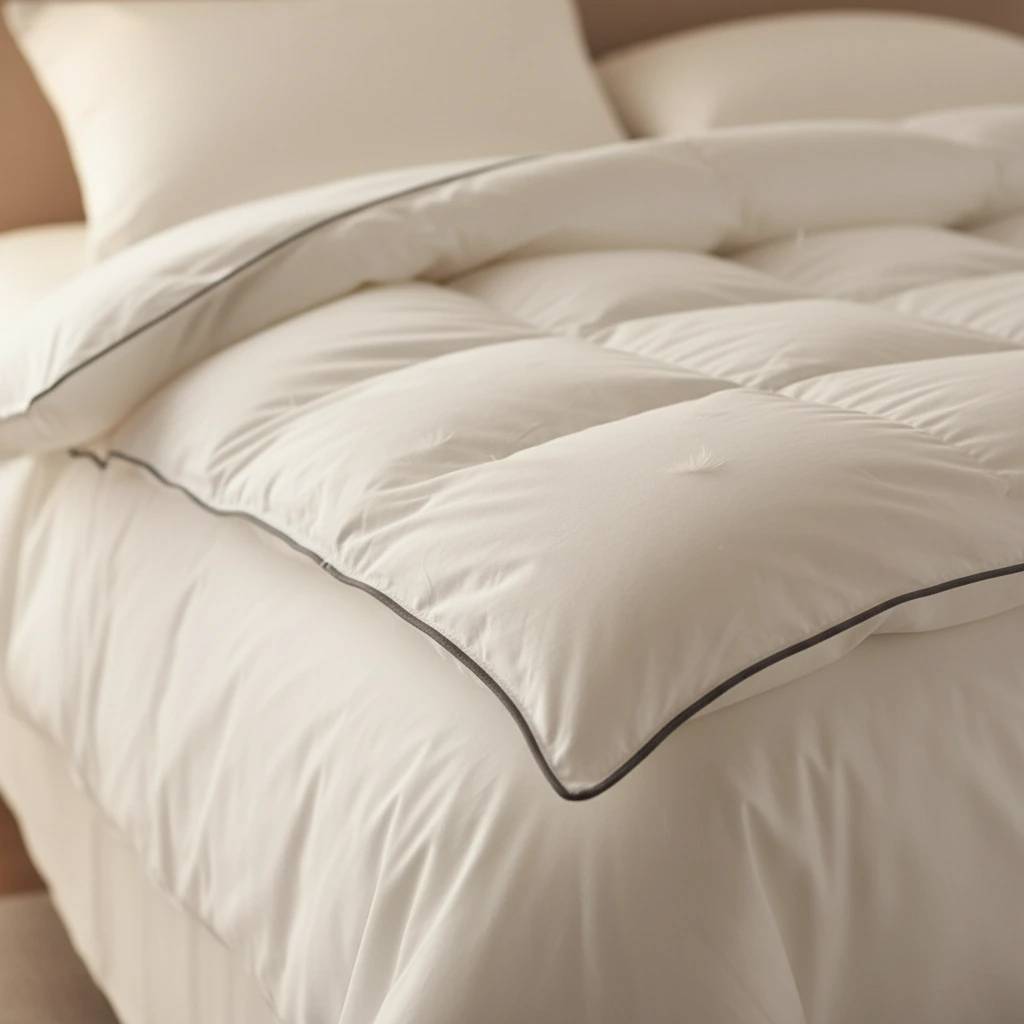
Omotesando Futonten offers several winter-weight comforters across different quality tiers. Each has its own character depending on how the down is sourced and where it comes from, so you can choose to suit your budget and preferences.
| Product | Characteristics |
|---|---|
| Refined warmth. White Goose Sleep Down Winter-Weight Comforter | Our signature grade, balancing price and quality |
| The pinnacle of luxury down. Premium Mother Goose Sleep Down Winter-Weight Comforter | A winter-weight comforter made with our finest grade of down |
| Sustainable warmth. Clean Cycle Sleep Down Winter-Weight Comforter | An eco-conscious winter-weight comforter made with recycled down |
For more on the differences between down comforter grades themselves, What makes a down comforter warm goes deeper into how fill power, fill weight and shell fabric relate to one another.
Don't overlook layering and insulation underneath you
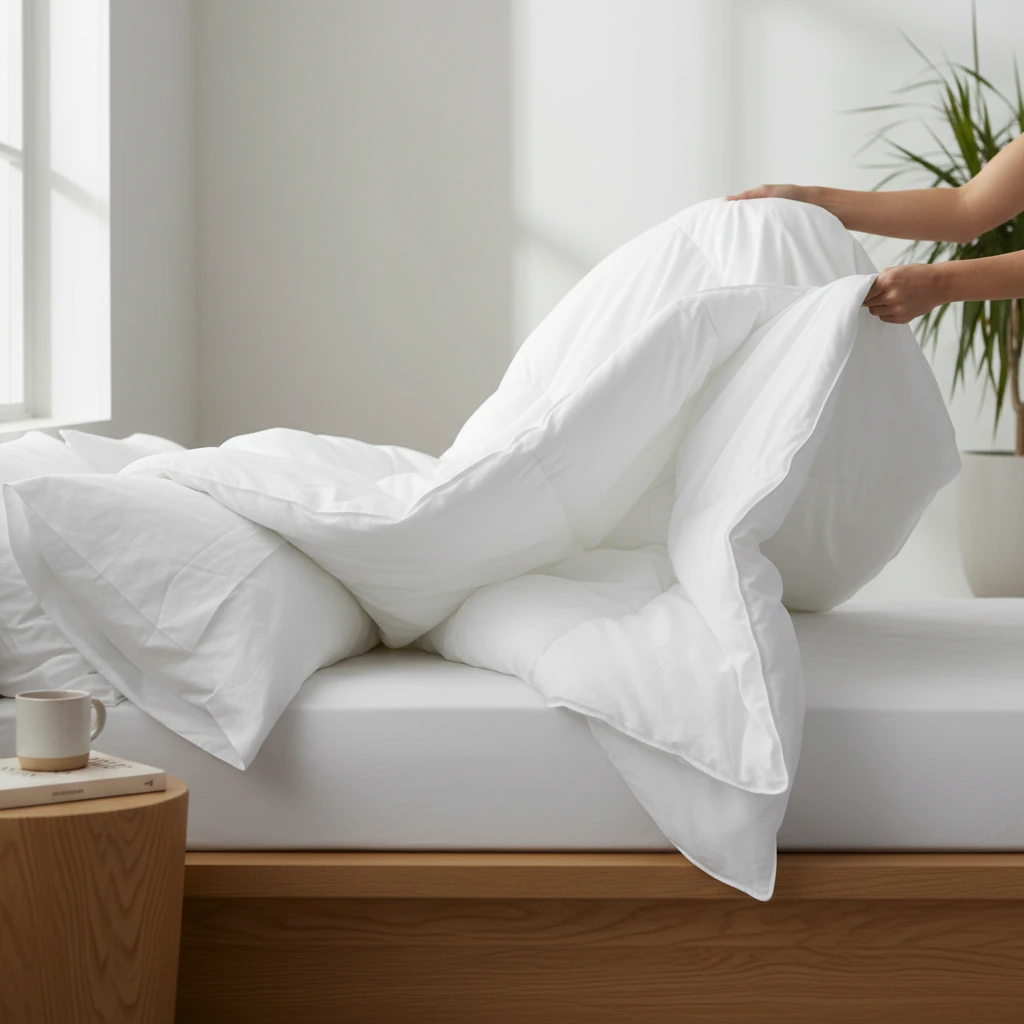
If you try to get all your warmth from the comforter alone, it's easy to overlook the heat escaping beneath your body. Without an insulating layer under your futon or mattress, cold from the floor or tatami comes straight through and your perceived temperature drops. Simply adding a mattress pad or bed pad can change how much chill you feel from below. And if you're using a blanket, the rule of thumb is to lay it on top of the down comforter — get the order wrong and you can crush the down's insulating loft. See The right order for blankets and down comforters for details.
Working with your bedroom's temperature and humidity
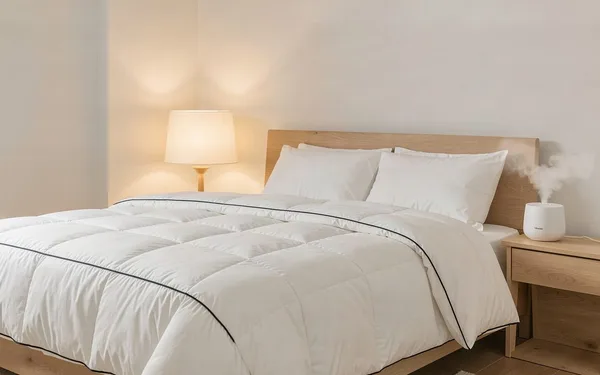
Rather than relying on the comforter's performance alone, setting up the right bedroom environment also shapes how warm you feel. Running the heat all night can dry out the room and put strain on the down, so consider warming the room before bed and setting a timer to switch it off, and adding humidification alongside. For layering tips if you tend to feel the cold, see Choosing a down comforter when you always feel cold, and for ideal bedroom conditions, see Ideal bedroom temperature and humidity in winter.
Summary
Choosing a warm comforter comes down to five points: fill power, fill weight, shell fabric, how you layer, and insulation underneath you. Rather than fixating on any single one, judging the overall balance is the quickest path to comfortable sleep all winter long.
Frequently asked questions
Is a higher fill power always better for a warm comforter?
Generally speaking, higher fill power lofts better and insulates better — but balance with the shell fabric and fill weight matters too, so we recommend not judging by the number alone.
Should the blanket go over or under the down comforter?
As a rule, the blanket goes on top of the down comforter. Placing it underneath tends to crush the down's insulating loft.
If I want more warmth, should I just increase the fill weight?
Adding fill weight can make a comforter heavy and prone to trapping humidity, so it's important to find the right amount in balance with fill power.
Can a comforter alone keep out the chill from below?
A comforter alone can only do so much. Combining it with insulation underneath you — such as a mattress pad or bed pad — is what really keeps the chill from below at bay.