The answer in 30 seconds
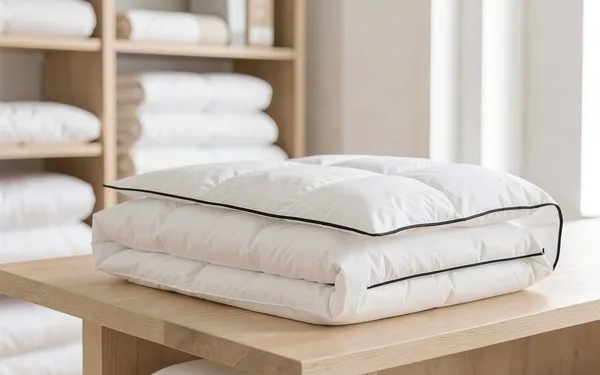
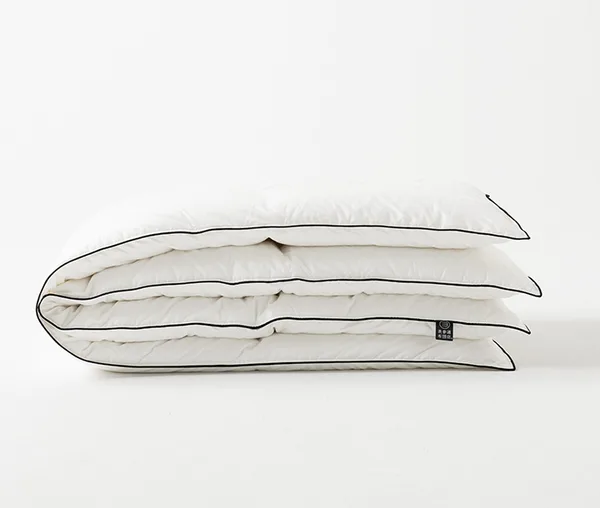
- If you choose just one comforter for winter, make it a down comforter. It earns high marks for warmth, light weight and moisture control alike.
- The keys are the material, the fill weight and the fill power. The higher the fill power, the more warmth you get from less fill.
- Aim for a fill power of 350dp or higher. If you want it to last for years, choose 400dp or higher.
- Match the size to your bed and the number of sleepers. The standards are Single 150×210cm (59×83 in), Semi-double 170×210cm (67×83 in) and Double 190×210cm (75×83 in).
| What you'll learn in this article
・Winter comforter fill materials compared (down, cotton, synthetic, wool) ・How to choose fill power and fill weight ・Recommended grades for solo sleepers and for families ・The right way to layer bedding in winter |
"This is the year I finally switch to a warmer comforter." "I have no idea what quality level to go for." — This is the complete guide for anyone unsure how to choose a winter comforter.
There are three things to look at when choosing a winter comforter: the fill material, the fill weight, and the fill power. Get these three right and you'll find the winter comforter that best suits your body and your home.

A down comforter is light, lofty and warm. Delivering a lot of warmth for very little weight is a down comforter's greatest strength
Winter comforter materials compared
| Material | Warmth | Weight | Moisture absorption & release | Price range | Our recommendation |
| Down (goose) | ◎ Excellent | ◎ Ultra-light | ◎ Excellent | ¥30,000 and up | ◎◎ Top pick |
| Down (duck) | ◎ High | ○ Light | ○ High | Up to ¥30,000 | ◎ Recommended |
| Cotton | ○ Average | × Heavy | ○ Average | 5,000〜 | △ Value option |
| Synthetic (polyester) | ○ Average | ○ Light | △ Low | 3,000〜 | △ Entry level |
| Wool | ○ Average | ○ | ○ Average | ¥10,000–30,000 | ○ For specific needs |
| Down comforters score top marks across the board — warmth, light weight and moisture control. If you're choosing just one comforter for winter, a down comforter is the only real choice. |
How to Choose a Winter Down Comforter
Choose by fill weight: 1.2–1.3 kg is the winter standard for a Single
| Fill weight (Single) | Warmth | Best for |
| 0.8〜1.1kg | Moderate to warm | Warm sleepers and mild climates |
| 1.2〜1.3kg | Warm | Standard (the most common choice) |
| 1.3〜1.5kg | Very warm | Cold sleepers and cold climates |
| 1.5 kg and up | Exceptionally warm | Extremely cold regions such as Hokkaido |
Choose by fill power
Fill power is a measure of down quality. The higher the number, the more warmth the down delivers with less fill weight.
| Fill power | Grade | Characteristics |
| 〜270dp | Entry level | Best value for money |
| 270〜350dp | Standard | Everyday use at home |
| 350〜400dp | High Class | Quality that lasts 10 years |
| 400〜440dp | Premium | Lasts 15 years |
| 440dp and above | Royal | Mother goose down · 20+ years |
Choose by size
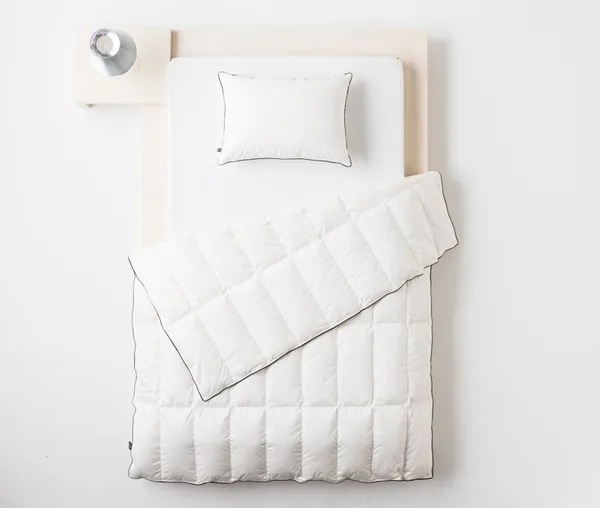
- Single (150 × 210 cm / approx. 59 × 83 in): for a single bed, one sleeper
- Semi-double (170 × 210 cm / approx. 67 × 83 in): roomy comfort for one
- Double (190 × 210 cm / approx. 75 × 83 in): for two sleepers, or generous space for one
Recommended winter comforters by budget
Up to ¥15,000: Entry line
Synthetic fill or 50–80% duck down. This is the zone to shop if value for money is your priority — just plan on replacing it every 2 to 3 years.
¥15,000–¥40,000: Standard line
90%+ duck down with a fill power of 300–380 dp. This is the sweet spot for quality versus price, with a realistic lifespan of 7–10 years.
¥40,000–¥100,000: Premium line
90%+ goose down with a fill power of 390–440 dp. Built to last 15 years or more. Light yet warm, with excellent moisture absorption and release, so it rarely feels clammy.
¥100,000 and up: Mother goose down line
90%+ mother goose down with a fill power of 440 dp or higher. A true "buy it for life" comforter that lasts 20–30 years. Polish and Hungarian mother goose down sit right at the top.
Tips for layering bedding in winter
Layering order
- Futon mattress (or mattress)
- Blanket (if needed)
- Down comforter (duvet)
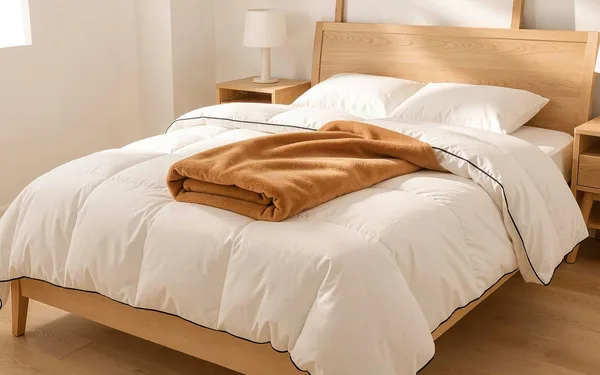
A blanket feels warmer placed "under" your down comforter (closer to your skin) rather than on top of it. That said, a high-quality down comforter is usually all you need on its own.
Using it with air conditioning
- At bedtime: aim for a room temperature of 18–22°C (the ideal winter sleeping range)
- Choosing a comforter: in warm climates or if you run the AC constantly, go with a lower fill weight
- Early-morning tip: set a timer to lower the temperature 2–3 hours after you fall asleep
Frequently Asked Questions
- How many comforters do you need in winter?
- A high-quality down comforter (goose down, 380 dp or higher, 1.2–1.3 kg fill weight) is warm enough on its own. If you feel the cold easily or live in a cold region, add a single blanket or choose a fill weight of 1.3–1.5 kg for extra peace of mind.
- Should the comforter or the blanket go on top?
- Put the down comforter on top and the blanket underneath (closer to your skin) for the warmest feel. The right combination comes down to personal preference, though — in most cases, one high-quality down comforter is plenty.
- What's the best way to wash a winter comforter?
- Always follow the care label. Washable types can be cleaned at the end of the season (in spring) using the large washers and dryers at a laundromat. For high-quality goose and mother goose comforters, we recommend professional cleaning.
Summary
- For winter bedding, a down comforter wins on every front: warmth, light weight, and moisture management
- Standard fill weight for a Single is 1.2–1.3 kg (1.3 kg or more if you feel the cold)
- Look for 350 dp or higher — or 400 dp and above if you want it to last for years
- Choosing goose down or better means 15+ years of use and a lower total cost over time
- If you use a blanket, place it under the down comforter (next to your skin) for more warmth
| ▶ See all winter down comforters at Omotesando Futonten |
What to look for when choosing bedding for a cold climate
In regions with harsh winters, such as Hokkaido and Tohoku, it's best to go higher on both fill weight and fill power.
- Fill weight guideline: 1.2–1.5 kg or more (see the cold-climate row in the "Choosing by fill weight" table above)
- Fill power guideline: premium to royal class, 400 dp or higher
- Adding a single blanket on top of your down comforter makes it easier to boost warmth even further
In a cold room, don't stop at the down comforter — rethink the insulation underneath you as well (a mattress pad or a blanket under the sheet), and far less chill will reach you from below.
How to choose a comforter you can use in both fall and winter
If you want one comforter to carry you from early fall through midwinter, aim for a fill weight of 800 g to 1.2 kg and add a blanket to fine-tune warmth as the seasons change.
- Fall to early winter: keep it light, with a fill weight of about 800g–1.0kg
- Midwinter: a fill weight of 1.0–1.2kg, or add a blanket
- Choosing a high fill power (350dp or more) makes it easier to get plenty of warmth even from a lighter-weight comforter
Even when you're buying one comforter to cover both seasons, checking the fill weight and fill power details on the product page first will help you avoid disappointment.