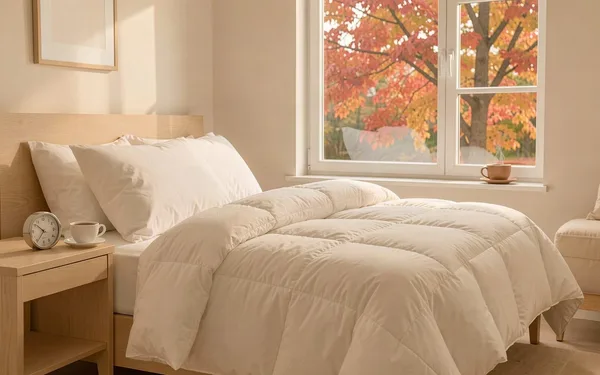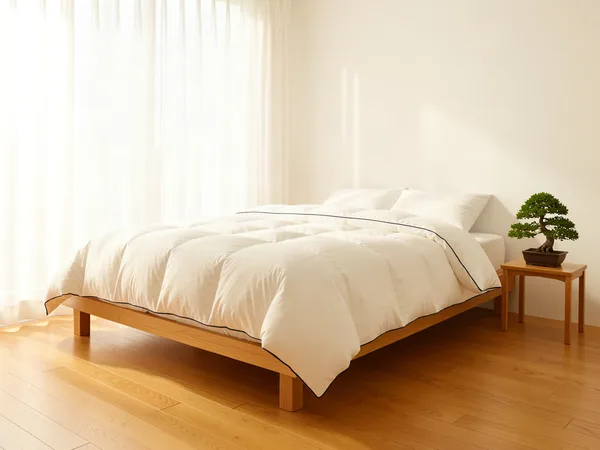
The short answer: when you use a down comforter and a blanket together, the basic order is body → down comforter → blanket on top.
That said, if the blanket is made of animal fibers such as wool or cashmere, you'll be warmer with the blanket between you and the down comforter (underneath).
In this article, we explain the correct layering order by material from a specialist's point of view, plus tips for sleeping even warmer.
When the cold sets in, blankets and down comforters are what keep you comfortable. You may have been using the same bedding for years — but have you ever thought, "I have a blanket, so why doesn't it feel warm?" or "My body still feels cold"?
In this article, we look at how to get the most from blankets and down comforters: which goes on top, and how to feel warmer in bed. We also cover tips for better sleep quality, so it's worth a read if you'd like to improve your sleep through bedding and temperature control.
Blanket and down comforter layering combinations, ranked by warmth
Blankets and down comforters are essentials from the change of seasons right through the coldest days of winter. Here are the main combinations, ordered from least to most warm.
1. Down comforter over a blanket
You lie on the mattress with a blanket over your body and the down comforter on top of it. This is the most common way people use their bedding, but in reality it isn't enough to really feel the warmth.
Much depends on your room and outdoor temperatures, but this combination works best when conditions aren't too cold and your body doesn't chill easily.
2. Blanket over the down comforter
You lie on the mattress with the down comforter over your body and the blanket on top of it. Instead of putting the down comforter over the blanket, you reverse the order so the down comforter touches you first. The down comforter holds in your body heat, and the blanket in turn insulates the down comforter, so you feel noticeably warmer.
That said, the mattress itself can still feel cold when you first lie down, so on genuinely cold nights try the next method.
3. Blanket underneath you, down comforter on top
You spread the blanket over the mattress, lie down on the blanket, and put the down comforter over your body.
The blanket blocks the chill rising from the mattress and keeps your back warm, while the down comforter holds in heat on top — so you feel warm on both sides. And because you're not stacking two comforters, it doesn't feel heavy.
The Right Layering Order, by Blanket Material
| Blanket material | Correct layering order | Why | Typical products |
| Acrylic & polyester (synthetic fibers) | Body → down comforter → blanket (on top) | Synthetics trap moisture when placed under a down comforter. Lay them on top instead, as a heat-retaining "lid." | Mayer blankets, fleece blankets |
| Wool & cashmere (animal fibers) | Body → blanket → down comforter (on top) | These fibers generate warmth as they absorb moisture, so they feel warmer in direct contact with your body. | Wool blankets, cashmere blankets |
| Cotton & cotton blends | Body → down comforter → blanket (on top) | Treat like synthetics. Laid underneath you, they help block the chill rising from below. | Cotton blankets, towel blankets |
| ❌ The layering order to avoid
"Body → blanket → down comforter" is the least recommended order when you're using a synthetic blanket. A down comforter is designed to loft up in response to your body heat, so putting a blanket in between blocks that effect and cuts its warmth roughly in half. |
Looking for a luxury comforter? Take a look below.
Related article: Luxury comforter lineup
If You Use a Comforter Other Than Down
Comforters other than down comforters can stand in for either the blanket or the down comforter. Cotton-filled bedding such as a silk-floss (mawata) comforter works well as a blanket substitute in midwinter: lay it over the mattress to trap the warm air along your back.
On milder nights when the room is around 20°C, simply draping one over you is enough to sleep comfortably warm.
How Can You Make Your Bed Even Warmer?
So what should you add when a blanket still isn't enough, or when cold air seeps in from outside and keeps you from sleeping soundly?
Let's look at how to make the most of hot water bottles and electric blankets.
Use a hot water bottle
A hot water bottle is a simple warming device: you fill it with boiled water and it warms you indirectly. Because the container holds heat well, the warmth lasts for a good stretch of time.
Unlike gas or electric heaters, there's no fire risk — it's just hot water, which makes it reassuring to use. You don't have to worry about leaving a heater running, and it helps cut electricity and gas bills too.
Blankets and down comforters take time to warm up, so when your feet or lower body feel cold, try adding a hot water bottle.
Use an electric blanket
An electric blanket warms you using internal heating wires powered by electricity. It can be used as a blanket or placed underneath you, making it an easy way to warm a chilly back or stomach.
Unlike a hot water bottle, it has to be plugged in — and you should avoid leaving an electric blanket switched on until morning. Running it all night interferes with the natural drop and rise in body temperature before you wake, which leaves you feeling tired. It also increases the risk of low-temperature burns.
Switch the electric blanket off before you sleep
An electric blanket draws current the whole time the switch or power is on, so please don't leave it running while you sleep.
To prevent fire and low-temperature burns, turn it on for a set period, then switch it off once the bed is warm.
Choose a lightweight towel blanket over a heavy blanket
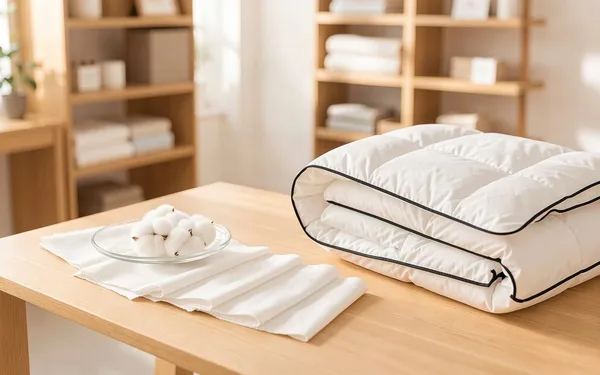
Blankets are a great way to sleep warm, but if the weight bothers you, try a towel blanket instead.
For example, as explained in option 2, "Blanket over the down comforter," in "Blanket and down comforter layering combinations, ranked by warmth," placing a blanket over your down comforter keeps cold air from reaching it.
A towel blanket is highly absorbent, so it soaks up perspiration and releases it. That moisture-wicking and breathability — something ordinary blankets lack — helps keep your sleep environment comfortable even when you're using a heater alongside your bedding.
Change the layering order to suit the blanket's material
Blankets are generally made from synthetic fibers such as acrylic and polyester, or from natural materials like cotton, wool, and cashmere.
Durability and benefits vary by material, but natural fibers are inherently good at absorbing moisture, so you can use them either layered on top or spread underneath you, depending on the night.
Synthetic fibers, on the other hand, absorb moisture poorly. Humidity lingers in the fabric instead of escaping, which can leave you feeling hot and clammy — so keep that in mind.
Replace your comforter or bedding
If your bedding simply isn't keeping you warm, it may be worth replacing it with something made from better materials. Pay attention to practical points such as moisture absorption and weight when you choose.
If you're shopping for a luxury comforter, take a look below.
Related article: Luxury comforter collection
Related article: What Are the Benefits of a Down Comforter? Plus Key Points for Choosing One

Three Fixes for Nights That Still Feel Cold
Fix 1: Put the blanket underneath you
Laying a blanket on top of your futon or mattress blocks the cold rising from the floor. Acrylic and polyester blankets tend to trap moisture, so if you're using one underneath you, a moisture-absorbing material (wool or cotton) is the better choice.
Fix 2: Add a second blanket on top as a "lid"
Adding a lightweight blanket or an all-season (medium-weight) comforter on top of your down comforter keeps heat from escaping upward. Just don't pile on too much weight, or turning over in bed becomes difficult — choose light materials.
Fix 3: Warm the bed with a hot water bottle 30 minutes before you turn in
Climbing into a cold bed makes it harder to fall asleep. An effective trick is to warm the bed with a hot water bottle or electric blanket about 30 minutes before bedtime, then remove it just before you get in. Be careful not to sleep with the electric blanket still on, as it lowers sleep quality.
Tips for Better Sleep Quality
Sleep quality is shaped by all kinds of information taking in through the five senses. Even if you get the room temperature and your body temperature right, sleep quality will still suffer if things like smell and feel against the skin aren't comfortable.
Here are three points worth keeping in mind to improve the quality of your sleep.
Bring calming colors into your bedroom
First, decorate the bedroom in colors that help you unwind. Instead of eye-catching primary colors and bold patterns, go for calming warm tones, earth tones, or low-saturation shades.
If earth tones and low-saturation colors don't mean much to you, try building the look around your bed on a base of grays.
Choosing calm colors for everything you see as you fall asleep — pillowcases, comforter, curtains — helps invite natural, easy sleep.
Use a pillow that truly fits you
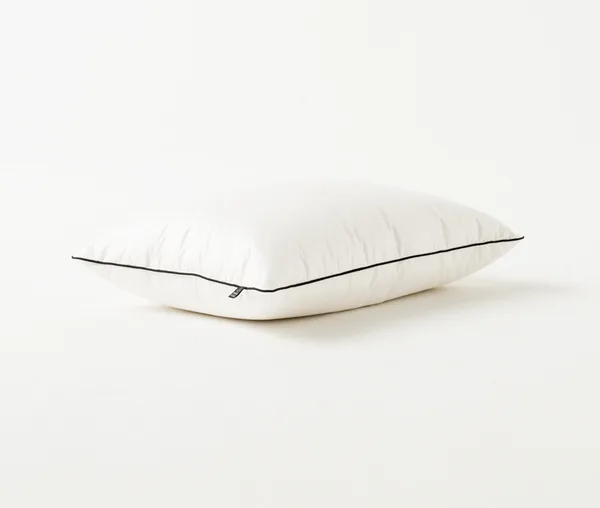
Pillow height is another factor that directly affects sleep quality. As a guide, when you rest your head on the pillow and lie on your back, there should be no strain under the chin, no tension around the neck, and no narrowing or closing of the airway.
A pillow that's too high puts strain on the back and can lead to stiff shoulders and a sore back. A pillow that's too low puts pressure directly on the head. The right height is one where your ear, neck, and shoulder line up straight when you lie down.
One common complaint among people today is "text neck" (straight neck) — a condition where the natural curve of the neck flattens out from holding the same posture while looking at a smartphone or computer screen.
Pillows made for text neck have a gentle curve that eases tension in the neck and supports better sleep. You can also have a pillow custom-made to match the position of your shoulders and neck, and of your neck and head.
Keep the room at a sleep-friendly temperature
Room temperature also plays a big role in restful sleep. In summer, keeping it under 28°C — with humidity at 50% or below — generally feels comfortable.
In winter, a slightly cooler room than in summer — around 23℃ is said to be the most comfortable for sleep. Some people naturally run warm, and others can fine-tune how warm they feel with bedding or heating, so a little below 23℃ can still make for comfortable sleep.
Even at the right temperature, extremely high humidity feels stifling and makes sleep difficult. Keep in mind how air flows through the room and how cold air tends to pool near the floor, and set up an indoor environment that's right for sleeping.
Frequently Asked Questions
Q1. Should the down comforter or the blanket go on top?
A. Blankets made from synthetic fibers such as acrylic and polyester belong on top of the down comforter. Wool, cashmere, and other animal-fiber blankets, however, are warmer when placed between your body and the down comforter (underneath), where their moisture-absorbing, heat-generating properties can do their work.
Q2. Does putting a blanket underneath you actually help?
A. Yes, it does. It blocks the cold rising from the floor, which is especially helpful if you feel chilled from below. Acrylic blankets trap moisture, though, so for underneath you, a moisture-absorbing mattress pad or something in cotton will feel more comfortable.
Summary
In this article, we've looked at how to use down comforters and blankets, how to layer them in the right order, and what to keep in mind for better sleep.
Each layer plays a different role, so knowing the right order makes for far more comfortable sleep. And for truly high-quality rest, choosing the right down comforter matters too.
"RDS Down" is made with Polish white goose down and offers 400db (cm³/g) fill power — higher quality than a typical down comforter.
Its turn-friendly design holds a registered utility model, so it eases the instability you feel when turning over while keeping warm air from escaping.
If you're looking for a down comforter (duvet) that combines Japan's finest quality with a refined design that complements your interior, do take a look at the Omotesando Futonten collection.
For high-quality Japanese-made premium down comforters (duvets), choose Omotesando Futonten
| Related articles |
Down Comforter vs. Blanket: Which Is Actually Warmer?
On its own, a down comforter tends to deliver more warmth than a blanket, because it traps plenty of air and wraps around you as it insulates. Down responds to your body heat by lofting up, creating a layer of warm air between the comforter and your body.
Blankets, on the other hand, play different roles depending on the material. Animal fibers like wool and cashmere absorb moisture and generate heat, so they're warmest used close to the skin. Synthetic fibers like acrylic and polyester work well on top, acting as a "lid" that keeps the down comforter's warmth from escaping. If neither feels like enough on its own, combine them using the material-by-material layering order described above — you'll sleep warmer than with either one alone.
The layering order when you add comforters other than blankets
The same basic thinking applies when you layer other bedding, such as a summer-weight (light) comforter or an all-season comforter, alongside blankets and down comforters.
- Keep the most absorbent, softest-feeling materials (cotton, wool and the like) closest to your body
- A down comforter traps a lot of heat, so keep it as close to your body as possible rather than sandwiching it between you and another comforter on top
- Synthetic blankets and lightweight comforters work best as the outer "lid," sealing warmth in
Every extra layer adds weight, so adjust the number of layers and the combination to balance warmth with how easily you can turn over in your sleep.