The answer in 30 seconds
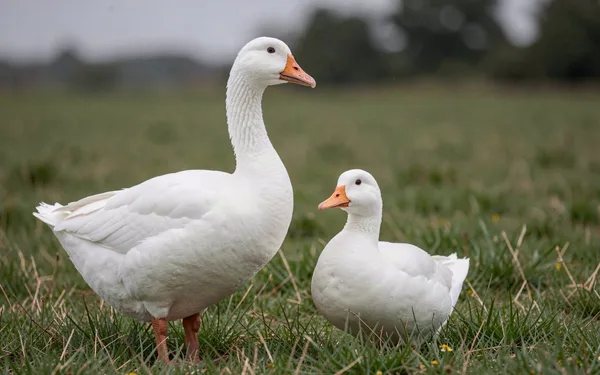
- Choose by type of down. Duck down for value, goose down if you want it to last, and mother goose down for a lifetime piece.
- Look for a down cluster ratio of 90% or higher. The higher the number, the lighter and warmer the comforter.
- For winter, choose a fill power of 350dp or higher. At 400dp and above, a comforter stays warm even with less fill. As a guide, 270–350dp works for spring and fall, and around 200dp for summer.
- Fill weight (Single) should be 1.0–1.3kg for winter. As a guide, spring/fall is 0.5–0.7kg and summer is 0.2–0.4kg.
- Avoid any comforter without quality labeling. Before you buy, check that the down cluster ratio and fill power are clearly stated, along with quality labels such as the Gold Label.

"How do I choose a down comforter?" "What's the difference between goose and duck down?" "What exactly makes an expensive down comforter better than a cheap one?"
Down comforters range from around ¥10,000 to several hundred thousand yen, so it's no surprise that shoppers find them one of the hardest pieces of bedding to choose.
In this article, Omotesando Futonten — a specialist in down comforters for more than 25 years — shares 5 key points for choosing the right one, plus our recommendations by budget. If you're not sure what to buy, read on to the end.
How to Choose a Down Comforter: 5 Key Points
To make sure you don't regret your purchase, check these five things before you buy a down comforter.
Point 1: Type of Down — Goose or Duck
| Type | Price range | Quality | Characteristics |
| Duck down | ¥10,000–¥50,000 range | Standard to good | Excellent value for money. Plenty of warmth — a good fit if you want to keep the price down or you're buying your first down comforter |
| Goose down (from geese) | ¥30,000–¥150,000 | High to top-tier | Large down clusters hold more air, so it's light with a high, airy loft. A good fit if you want a comforter that lasts for years or you're particular about quality |
| Mother goose down (mature parent geese) | ¥100,000 to over ¥500,000 | Top of the line | Rare, as only a small amount of down can be harvested per bird. Extra-large down clusters deliver outstanding lightness and warmth. For those who want quality that lasts a lifetime |
| A specialist's take: it isn't about which one is "better" — choose by your budget and how you'll use it
If value for money is your priority, a Japanese-made comforter with a duck down cluster ratio of 93% or higher is the best-balanced choice. If you want one high-quality comforter to use for years, go with goose down. For a gift or a lifetime piece, consider mother goose down. |
Point 2: Down cluster ratio (the ratio of down to feather)
This is the percentage of "down" (the round, fluffy clusters) inside the comforter. The higher the number, the lighter and warmer the comforter.
| Down cluster ratio | Typical quality | Recommended use |
| 50〜70% | Entry level | An affordable price range. For those who value warmth over lightness and want to keep the budget down |
| 80〜85% | Standard | Well balanced. Many comforters in this range can be washed at a laundromat (coin laundry), which makes them practical |
| 90〜93% | High class | Lightness and warmth in one. Quality that lasts for years — the best value-for-money range |
| 95% or higher | Premium | The top class. Lighter and loftier even at the same fill weight. Expensive, but long-lasting |
Point 3: Fill power in dp (loft) — the measure of warmth
This number shows how much 1g of down expands. The higher the number, the lighter and warmer the comforter. It's one of the most important indicators of how young and high-quality the down is.
| Fill power | Grade | How to choose |
| 200 dp range | Entry level | Well suited to all-season (medium-weight) comforters for spring and fall, and to summer-weight (light) comforters |
| 300s dp | Standard | Ideal for an all-season (medium-weight) comforter you can use year-round |
| 350〜400dp | High class | Plenty of warmth for a winter-weight comforter. Great value for money |
| 400 dp and above | Premium | Warm in midwinter with just one thin comforter. Stays lightweight even with less fill weight |
| 440 dp and above | Top of the line | A level only high-quality goose down and mother goose down can reach |
| Fill power (dp) at a glance — the simple rule of thumb
As a rule of thumb, look for 350 dp or higher for a winter-weight comforter, 270–350 dp for a spring/fall all-season comforter, and around 200 dp for a summer-weight comforter. |
Point 4 — Fill weight: guidelines by size
This is the total weight of the down inside the comforter. More fill weight means more warmth, but also more heft. Comforters with high fill power stay warm with less down.
| Use | Fill weight guide (Single) | Notes |
| Summer (summer-weight / light) | 0.2〜0.4kg | Thin and lightweight — ideal for air-conditioned rooms |
| Spring & fall (all-season / medium-weight) | 0.5〜0.7kg | Mid-level warmth — for spring, fall and the rainy season |
| Winter (winter-weight) | 1.0〜1.3kg | Your main winter comforter. With high fill power, even 1.0 kg is plenty |
| Extra-fill winter-weight (extra warm) | 1.4〜1.7kg | For people who feel the cold, and for cold regions such as Hokkaido |
Point 5 — The shell fabric material
The shell fabric affects how the comforter feels against your skin, how well it breathes and how long it lasts. It's easy to overlook, but the longer you plan to keep your comforter, the more it matters.
- 100% cotton: the best for moisture absorption and feel against the skin. Common on high-quality comforters. Note that it can shrink in the wash
- Cotton/polyester blend: wrinkle-resistant and easy to care for. Often used on value-focused comforters
- Silk: the most luxurious feel of all. Great for sensitive skin, though it comes at a higher price
Down Comforter (Duvet) Buying Guide by Price Range
We've broken things down into four price ranges so you can find the right comforter for your budget.
① ¥10,000–¥39,000: For the best value, choose duck down at 90% or higher
This range suits first-time down comforter buyers and anyone adding a second comforter for a spare room or guests. Choose a Japanese-made comforter with a down cluster ratio of 90% or higher and fill power of 350 dp or more, and you'll get more than enough quality for everyday use.
- What to look for: check the quality labeling, such as the Royal Gold Label or the GF mark
- Recommended fill weight: around 1.2 kg for a Single (winter-weight)
- What to avoid: products that don't state the down cluster ratio or fill power
| From Omotesando Futonten: what to watch out for in this price range
Some products in the ¥10,000–¥29,000 range can still be called "down comforters," yet have a down cluster ratio of around 50% or no fill power listed at all. Always check the quality label before you buy. |
② ¥30,000–¥89,000: For a comforter that lasts, choose goose down at 90% or higher
If you're buying with 10-plus years of use in mind, this price range offers the best value of all. Aim for goose down at 90% or higher with fill power of 370 dp or more, and you'll find a comforter with an excellent balance of light weight and warmth.
- What to look for: check whether the down's origin is stated (Hungarian and Polish down are high quality)
- Choose a shell fabric that's at least 70% cotton for a softer feel against the skin
- Check whether it has baffle-box quilting (this affects how evenly the down stays distributed)
③ ¥80,000–¥200,000: For genuine quality, look for 93% or more white goose down
This is the price range where you can truly feel the quality of the materials. Use 93% or more white goose down and a fill power of 400dp or higher as your benchmark. Comforters in this range will last 20 to 30 years with proper care.
- Hungarian and Polish white goose down set the standard for quality
- Look for two-layer quilting (warm-keep construction), which helps prevent the down from shifting
- Worth the investment, since refurbishing (re-making) lets you keep using it for decades
④ ¥200,000 and up: For a lifetime piece, choose 93% or more mother goose down
Down from mother geese (mature birds) is harvested in extremely small quantities and has exceptionally large down clusters. This is the highest class of down comforter — you can feel the difference the moment you pick it up. It's also a popular choice for special gifts such as weddings and 60th-birthday celebrations.
- A fill power of 440dp or higher is the mark of genuine mother goose down
- Choose products with origin certification and quality certification labels
- Silk or high-density 100% cotton shell fabrics are best suited to this class
| A note from Omotesando Futonten
At Omotesando Futonten, we carry carefully selected down comforters in every price range. If you're not sure which one is right for you, we're happy to help — please feel free to get in touch. |
Which Down Comforter Is Right for You? A Guide by Situation
◆ Buying your first down comforter
→ Aim for 90% or more duck down, a fill power of 350dp or higher, and a fill weight of 1.0–1.2kg for a Single. The ¥30,000–¥50,000 range offers the best overall balance.
◆ You want something warmer than your current comforter
→ Simply increasing the fill weight by 100–200g over your current comforter, or switching to a higher fill power (380dp or more), makes a big difference in how warm it feels.
◆ You want a lighter comforter (heavy on the shoulders / you overheat easily)
→ Choose a fill power of 400dp or higher: you'll get plenty of warmth with less fill weight, so the comforter stays light. 90% or more goose down is ideal.
◆ You're concerned about allergies
→ Choose products made with white down (from white ducks or white geese). It's thoroughly washed during manufacturing, so allergens are minimal. We recommend products with anti-dust-mite and antibacterial treatments such as "SILKEY Clean."
◆ As a wedding, new-baby or special-occasion gift
→ Mother goose down, or 93% or more white goose down, in Single to Double size is the classic choice. Look for a specialty store that offers boxed gift wrapping.
◆ You want it to last for many years
→ Choose a Japanese-made comforter with 90% or more goose down, and buy from a specialty store that offers refurbishing (re-making) services. With good-quality down, you can keep using it for 20 to 30 years.
How to Read the Quality Label: What to Check Before You Buy
A down comforter's tag carries a lot of information. Make a habit of checking the following points before you buy, and you won't go wrong.
| What to check | What to look for | Why it matters |
| Type of down | Goose or white duck | Listings marked only as grey duck or simply duck can leave the quality unclear |
| Down cluster ratio | 90% or higher (93% or higher for top quality) | Under 80% means more feather, which can feel prickly |
| Fill power (loft) | 350dp or higher (400dp or higher for a winter comforter) | A lower dp means less warmth at the same weight |
| Fill weight | 1.0–1.3kg for a Single winter comforter | Too little feels cold; too much feels heavy |
| Stated country of origin | Hungarian, Polish or French down | The more clearly the origin is stated, the more transparent the quality control |
| Quality label | Gold Label, Premium Gold and similar | Certification from the Japan Down Products Cooperative Association — proof of assured quality |
| Washing method | Washed in Japan | Washing in Japan meets high quality standards; cleaning carried out after import tends to vary more in quality |
Red flags: down comforters to avoid
Choosing on price alone can lead to regret. Be cautious with any product showing the following signs.
| ❌ | No down cluster ratio or fill power listed
If a product doesn't list the two most important numbers for down comforter quality, there is no assurance of quality at all. Be especially wary of listings that say nothing more than "contains ○% down." |
| ❌ | Origin shown as "other" or not shown at all
The origin of the down is directly linked to its quality. Products that don't state the origin may have untransparent quality control. |
| ❌ | An extremely low price alongside a high down cluster ratio (e.g. 93% goose for under ¥10,000)
If 93% goose down is selling for under ¥10,000, the fill power may be extremely low, the fill weight too small, or the origin unknown. Always check the full quality label before buying. |
| ❌ | No washing instructions are given
If a product doesn't explain how to care for it after use, chances are it wasn't designed to last. |
Not sure which down comforter to choose? Talk to a specialist
"I understand what to look for, but I still can't tell which one is right for me." If that sounds like you, come talk to us at Omotesando Futonten.
Our specialists have worked with down comforters for more than 25 years. We'll ask about the following, then recommend the one comforter that suits you best.
- What's bothering you now (too cold, too heavy, sleeping hot, allergy concerns, and so on)
- Your budget
- The seasons you'll use it in, and how warm your bedroom is
- The size and condition of the comforter you use now
| ▶ Ask us about down comforters & browse our products |
The benefits of a down comforter
The benefits of a down comforter come down to things like ease of use and easy care. They can be grouped into four key points. Let's look at why a down comforter is one piece of bedding worth owning.
Comfortable all year round
With a down comforter, you can sleep comfortably all year round. Even on the harshest midwinter nights, when a cotton blanket or thin quilt simply can't keep the cold out, a single down comforter holds your body heat in.
A down comforter suits virtually every season except high summer — and even then, in a room kept cool with air conditioning all day, it keeps you from getting chilled overnight.
Beyond the thick winter-weight comforter, you can also choose a mid-weight comforter or a summer-weight (light) comforter, so it's worth having one at just the right loft to use year-round.
Light enough to air out easily
The waterfowl down used in these comforters is extremely light, so even a generous fill weight doesn't make the comforter heavy. Down does get heavier as it absorbs moisture, but regular washing and drying keeps it light and comfortable to use.
Apart from larger sizes such as Double, down comforters are easy to handle and simple to carry on your own. When the shell fabric covering the down is lightweight too, it works together with the lightness of the down to make the comforter even easier to manage.
Once it's been thoroughly spun dry in the dryer after washing, it's easy to drape over a drying rack or the back of a sofa.
Drapes to your body so warmth doesn't escape
Because down comforters are filled with waterfowl down, this natural material wraps the body gently. The comfortable light weight lets the comforter follow your body without strain and puts very little pressure on you, so older adults and small children can sleep comfortably too.
There's none of the oppressive weight you feel under layer upon layer of blankets — just an appealing, just-right sense of volume. Down feels soft and fluffy to the touch, with a comfort that makes you want to sink right in.
Related reading: Why is a down comforter so warm when it's light and fluffy? The reasons and how it regulates temperature
Can be refurbished (re-made) for years of use
Over years of use, a down comforter can lose feathers and some of its loft. When you notice flat spots or sagging, adding fresh down to replace what's been lost restores that original soft, fluffy feel.
Down comforter maintenance is also known as refurbishing or re-making: the down is washed, the comforter is carefully re-sewn and, in some cases, the shell fabric is replaced so the comforter can be used again. Skilled professionals handle the whole process, so there's nothing you need to do yourself.
Once refurbished, your comforter is good for several more years. Combine at-home washing and drying with periodic refurbishing to keep a favorite down comforter going for the long haul.
Related article: How many years does a down comforter last? How to decide between replacing and refurbishing
If you're shopping for a luxury comforter, take a look below.
Related article: Luxury comforter collection
The drawbacks of a down comforter
Along with all their advantages, down comforters have a few drawbacks worth knowing about. So what issues tend to show up over years of use?
Odor can sometimes be noticeable
Down is a natural material harvested from waterfowl, so depending on the type of bird and the feed it was raised on, you may notice a faint animal odor.
This is especially true of duck down, which contains more natural oils — the oils can come through clearly and the smell can seem strong.
Down is washed repeatedly before it is filled into a comforter. Even so, the natural odor of the material can never be removed completely by the time the comforter ships.
If the smell of your down comforter bothers you, dry it thoroughly and let fresh air circulate through the fill — the odor will quickly become much less noticeable.
Related article: Why your down comforter smells, and how to fix it
Feathers may work their way out
Feathers escaping from the comforter is a familiar complaint with down bedding, and there are two likely causes.
First, down and feathers have a stiff central shaft called a quill, and that shaft can pierce the fabric. Feathers in particular have a firm, rigid quill that can work its way through the shell fabric.
Second, there's wear on the shell fabric that encases the down. Feathers slip out through tiny gaps that are hard to see with the naked eye, through the spaces between threads, and through tears or splits in the fabric.
Feathers can act as an allergen
Escaping feathers also carry an allergy risk. When feathers get out, proteins contained in the down are released into the air, and breathing them in can make an allergic reaction more likely.
There are many kinds of down comforters out there, but if allergies are a concern, it's best to avoid ones with soft shell fabric that stiff feather quills can easily pierce, as well as ones filled with feathers rather than down.
Related reading: Down comforter allergies: causes and what you can do

Feather comforters vs. down comforters: what's the difference?
A comforter generously filled with waterfowl plumage is called a down comforter, but in practice it isn't purely down or purely feather — most contain both.
A down comforter is the general term for a comforter filled with 50% or more down and 50% or less feather. Products labeled "100% down" are allowed a margin of up to 1%, so a down cluster ratio of 99% or more can legally be listed as 100%.
The down-to-feather mix is shown as the percentage of the fill that is down — for example, "Polish mother goose down 95%."
By contrast, a comforter filled mostly with feathers is called a feather comforter. Feathers have a reputation for being stiff, but there are now comforters made with "small feather" — a grade with a soft hand comparable to down and a quill soft enough that it's far less likely to damage the shell fabric.
Feather comforters cost less than down comforters, but down wins on warmth. For softness and longevity as well, we recommend going with a down comforter.
Related reading: What types of down comforters are there?
If you're shopping for a luxury comforter, take a look below.
Related article: Luxury comforter collection
What to look for when choosing a down comforter you can trust
So what should you look for to choose a down comforter you can trust? Let's take a closer look at two key points: checking where the down comes from, and checking that the price is fair.
Check where the down comes from
The waterfowl plumage used in down comforters is harvested in Europe, North America and Asia. Poland, the Czech Republic, Hungary and France are among the best-known sources.
Most of the down distributed in Japan originates in Asia, but goose down raised in the "down belt" around 50 degrees north latitude — such as Polish and German down — is considered the finest quality. When assessing the quality of a down comforter, always check which region the down was harvested in.
Related reading: Where does the down in a down comforter come from? Origins, characteristics and what to look for
Make sure the price is fair
The first thing to look for in a down comforter is careful stitching and well-chosen materials. Check the origin of the down and feathers, the type of shell fabric, the fill power and any certification labels it carries, then decide whether the price is fair.
If a comforter has low fill power and doesn't feel good to the touch, or is already leaking feathers before you've even bought it, it's better to pass on it no matter how cheap it is.
Even with so-called luxury products, if one is selling for several hundred thousand yen, we recommend comparing it against other comforters of the same grade and certification before you buy.
Choose goose down
"Down" refers to the soft plumage from a waterfowl's breast. "Feather," by contrast, comes from the wings and has a firm quill running through it, which can pierce the shell fabric — so if you want to avoid feathers escaping, down is the better choice.
The birds used for down comforters fall into two groups, duck and goose. Duck down clusters are smaller, so the larger goose down clusters give you noticeably better warmth retention.
Related reading: Goose vs. duck down: what to know before you buy a down comforter
Check how thoroughly the down has been washed
Down comforters list a figure called the cleanliness rating (turbidity), which indicates how thoroughly the down has been washed. This rating is defined by Japan's JIS standard and appears on the tag or in the product information, so you can use it to check how clean the down inside a comforter really is.
The cleanliness of down is measured by testing the clarity of the final rinse water, and the result is expressed in mm. The general industry standard is 500mm, while the down raw-material certification from the Japan Association for Science and Technology Promotion (CIL) requires 800mm; the highest-quality down reaches around 1000–1500mm.
Related reading: Can you tell a down comforter's grade from its label? A guide to what each label means for quality
Frequently Asked Questions
Q1. Which is better, goose down or duck down?
- If quality is your priority, go with goose down; if value for money matters most, duck down is a smart choice. Goose down has larger down clusters, so it's lighter and warmer, but anything with 90% or more duck down is more than good enough for everyday use. Choosing based on your budget and how you'll use it is the most sensible approach.
Q2. What is fill power (dp), and what level should I look for?
- Fill power is a number showing how much 1g of down lofts up (its volume). The higher the number, the lighter and warmer the comforter. As a guide, look for 350dp or more for a winter-weight comforter, 270–350dp for an all-season (medium-weight) comforter, and around 200dp for a summer-weight (light) comforter.
Q3. How long does a down comforter last?
- With proper care, a quality down comforter will last 10–20 years. Once the down deteriorates, though, it loses its loft and its warmth drops off. If that happens, consider down comforter refurbishing (re-making) before you throw it away. If the down inside is still good quality, washing and reconditioning can often bring it back to like-new condition.
Q4. What's the difference between white down and gray down?
- It's simply the color of the down. Quality is determined by origin, fill power and washing method rather than color, so there is almost no difference in quality between the two. That said, gray down can show through a white shell fabric, which is why high-quality white comforters are usually filled with white down.
Q5. How often should a down comforter be cleaned?
- For the comforter you use every night, once or twice a year is a good guide. Washing too often damages the down, so rather than frequent washing, we recommend regular airing (2–3 times a month, in the shade). If anything concerns you, use a futon cleaning specialist or our refurbishing (re-making) service.
Summary
Those are the 5 key points for choosing a down comforter you won't regret.
- ① Type of down: best value → duck down; quality → goose down; top of the line → mother goose down
- ② Down cluster ratio: 90% or more is the minimum. For long-term use, look for 93% or more
- ③ Fill power: 350dp or more for a winter-weight comforter; 400dp or more for high quality
- ④ Fill weight: 1.0–1.3kg is standard for a Single winter-weight comforter
- ⑤ Shell fabric: 100% cotton or a polyester blend. Silk is the most luxurious
If you're not sure where to start, the best-balanced choice is to look for "goose down 90% or more, fill power 370dp or more, washed in Japan" within your budget.
At Omotesando Futonten, we recommend down comforters based on your budget, your sleep concerns and how you plan to use them. Please feel free to get in touch.
For high-quality Japanese-made premium down comforters (duvets), choose Omotesando Futonten
| Related articles
・Can a Down Comforter Trigger Asthma? The Real Causes and What to Do About Them |
See the price guide at a glance
For a closer look at how down cluster ratio, fill power and shell fabric differ by price range, see how much a down comforter costs.
Prices for down comforters vary widely depending on the type and grade of down. Here's a quick recap of everything covered above, organized by price range.
- ¥10,000–¥39,000: Mostly duck down, 90% or more. A good price range for your first comforter or a spare.
- ¥30,000–¥89,000: Mostly goose down, 90% or more. The best-balanced price range for a winter-weight comforter you'll use for years.
- ¥80,000–¥209,000: Mostly white goose down, 93% or more. The price range where you really feel the difference in quality.
- ¥200,000 and up: Mostly mother goose down, 93% or more. The top-of-the-line class, for a lifetime piece or a special gift.
Exact prices vary by season and by product, so please check each product page for the current selling price.
Premium down comforter grades compared (ranked)
Here's how the grades stack up, from the quality side, so you can see which class of down comforter counts as top tier.
- Mother goose down 93% or more, 440dp or more: Harvested in extremely small quantities, this is considered the finest grade of all.
- White goose down 93% or more, 400dp or more: A premium grade that combines exceptional lightness with excellent warmth.
- Goose down 90% or more, 370dp or more: The best value for money in a winter-weight comforter meant for years of use.
- Duck down 90% or more, 350dp or more: A grade that keeps costs down while still providing plenty of warmth.
Prices tend to rise as the grade goes up, but the key to a choice you won't regret is simple: pick the highest fill power your budget allows.
Down comforter buying checklist
Before you buy, work through the points below from the top — it makes the decision far easier.
- Does the type of down (duck / goose / mother goose) match your budget and how you'll use it?
- Is the down cluster ratio 90% or higher?
- Is the fill power high enough for the season you'll use it (350dp or more for winter)?
- Is the fill weight right for the size and the season?
- Does the shell fabric suit your preference for feel and easy care?
- Are the origin of the down and the quality label clearly stated?
Just checking these six points greatly reduces the risk of choosing on price alone.